
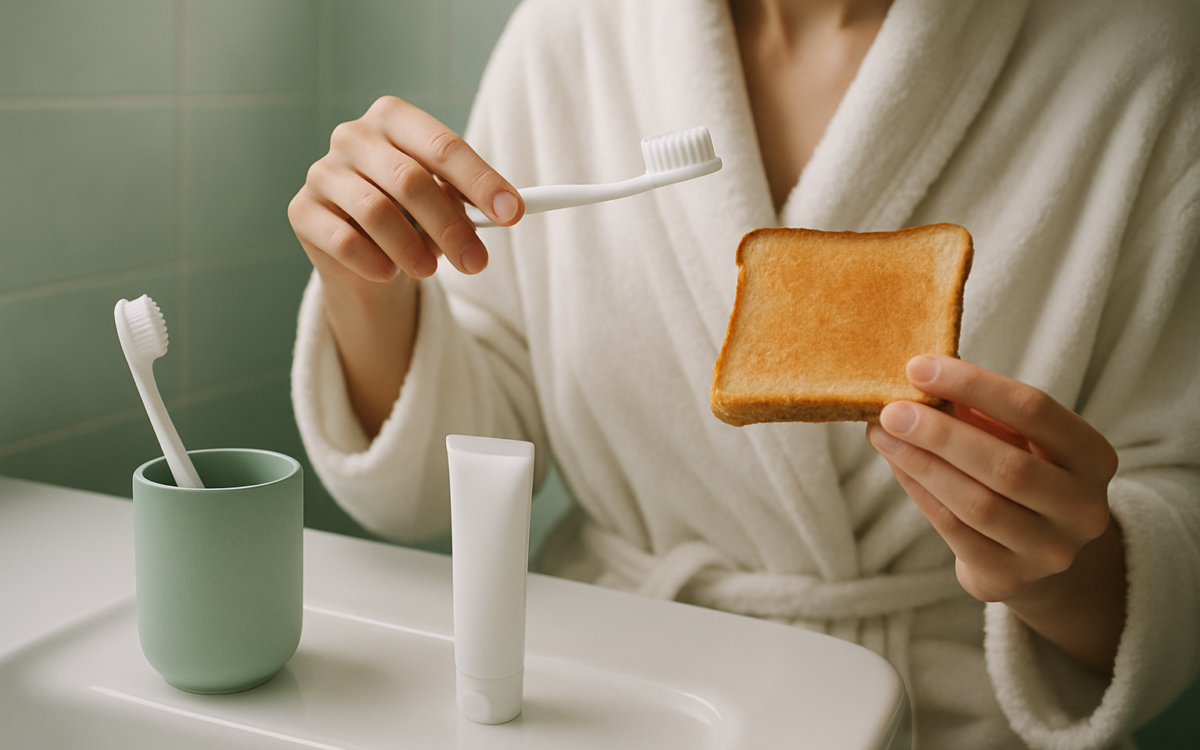
Starting your day with a fresh mouth feels good, but have you ever wondered whether you should brush your teeth before or after breakfast? This simple choice can significantly affect your oral health, and understanding the science behind it will help you make the best decision for your morning routine.
Understanding the Basics of Oral Health
Your mouth is home to millions of bacteria, some of which are beneficial while others can lead to tooth decay and gum disease. When you wake up, bacteria have been partying in your mouth overnight, creating plaque and bad breath. This makes the timing of your teeth brushing essential for minimizing bacteria and maintaining a clean mouth.
Brushing Before Breakfast: The Case for Pre-Meal Care
Brushing your teeth before breakfast is a practice some people swear by. Here’s why:
- Remove Overnight Bacteria: The first benefit of brushing before breakfast is that you clear out the bacteria that build up while you sleep. This means you start the day with a clean slate.
- Avoid Acidic Erosion: Many breakfast staples like orange juice and coffee are acidic. Acidic foods can soften tooth enamel, the protective outer layer of your teeth. If you brush afterward, you might inadvertently damage this softened enamel. Brushing beforehand helps protect your teeth from this erosion. Research suggests waiting at least 30 minutes after eating acidic foods before brushing teeth (NIH).
- Fresh Breath: Brushing before breakfast can help you enjoy a fresher breath as you start your day, making interactions with others more pleasant.
Brushing After Breakfast: A Refreshing Finish
On the other side of the debate, many people prefer to brush their teeth after breakfast. Here are some reasons this approach might work for you:
- Get Rid of Food Particles: Brushing after you eat can help remove food particles and plaque that accumulate during breakfast, ensuring that you start your day with a truly clean mouth.
- Fluoride Protection: If you use a toothpaste with fluoride, brushing after breakfast can help protect your teeth from the sugars and acids they may come into contact with during your meal.
- If You Snack Later: If your morning routine includes snacks, brushing afterward can ensure that your teeth are clean and that harmful sugars and acids are minimized.
Hygiene Considerations for Both Approaches
Regardless of whether you brush before or after breakfast, there are always general dental hygiene tips to keep in mind:
- Use a Soft-Bristled Toothbrush: This type of toothbrush is more effective at cleaning without damaging your gums.
- Choose Fluoride Toothpaste: Fluoride helps strengthen tooth enamel and prevents cavities.
- Brush Twice a Day: Aim for brushing your teeth morning and night to maintain optimal oral health.
- Don’t Rush: Take at least two minutes when brushing, focusing on all different surfaces of your teeth.
- Floss Daily: Brushing is essential, but flossing helps clean areas that a toothbrush can’t reach.
Personal Preference and Practicality
Ultimately, the best time to brush your teeth depends on personal preference, your lifestyle, and how your body reacts. For some, brushing before breakfast makes sense, especially if you want to avoid the potential acids of your morning meal. Others find it easier to brush afterward to ensure their teeth are clean after eating.
To figure out which routine works best for you, consider keeping your own diary for a week. Note if you feel a difference in freshness and cleaning effectiveness based on the timing of your brush.
When to See a Doctor
If you experience persistent bad breath, tooth sensitivity, or any signs of gum disease such as bleeding or swelling, it’s essential to consult a dentist. Early intervention can prevent more severe oral health issues.
Conclusion
Whether you choose to brush your teeth before or after breakfast, what’s most important is that you maintain a consistent oral hygiene routine. Both approaches have their benefits, and understanding the science behind them can help you make an informed choice. Remember to consult with your dentist regularly to keep your smile healthy!
