
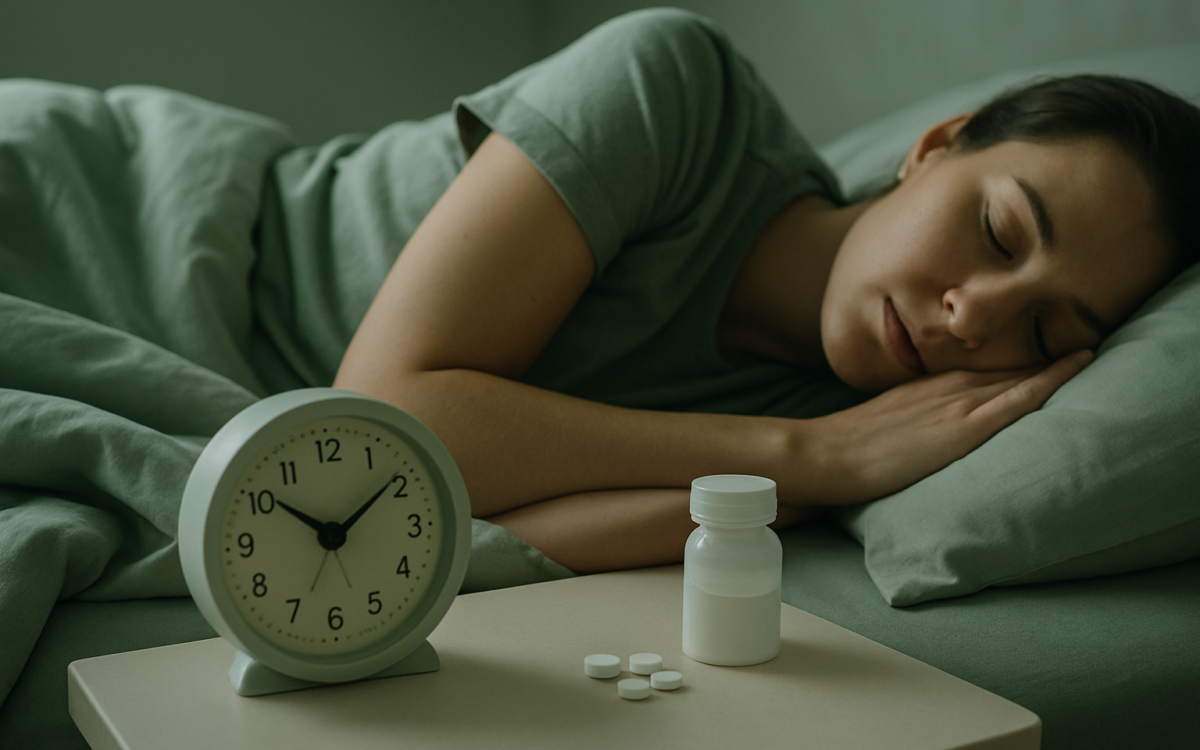
Struggling to fall asleep at night is a common issue that many people face. With the buzzing demands of daily life, finding a way to unwind and get quality sleep can feel like a challenge. But with the right strategies, you can improve your chances of drifting off quickly and peacefully. Let’s explore some methods you can incorporate into your nightly routine to help you fall asleep faster.
Create a Relaxing Bedtime Routine
Establishing a calming bedtime routine can signal to your body that it’s time to wind down. By following a series of relaxing activities, you can ease the transition into sleep.
- Set a consistent bedtime: Try going to bed and waking up at the same time every day, even on weekends. This helps regulate your body’s internal clock.
- Engage in calming activities: Prioritize activities such as reading, light stretching, or taking a warm bath. Avoid stimulating activities like watching TV or using your phone.
- Limit screen time: The blue light emitted by screens can interfere with melatonin production, a hormone crucial for sleep. Aim to turn off electronic devices at least 30 minutes before bedtime.
Design Your Sleep-Friendly Environment
Your bedroom environment plays a significant role in how easily you fall asleep. Here’s how to make it conducive to sleep:
- Control the light: Use blackout curtains or an eye mask to block out unwanted light. A darker room can promote better sleep.
- Keep it cool: The ideal room temperature for sleep is generally between 60-67°F (15-19°C). Adjust your thermostat or layers to find your comfort zone.
- Reduce noise: Consider using earplugs or a white noise machine to drown out disruptive sounds.
Utilize Relaxation Techniques
Incorporating relaxation methods before bed can help quiet your mind and prepare your body for sleep:
- Deep breathing exercises: Inhale deeply through your nose, hold for a few seconds, and exhale slowly through your mouth. Repeat this several times to calm your nervous system.
- Meditation and mindfulness: Practicing meditation or mindfulness, even for a few minutes, can help reduce stress and improve sleep quality.
- Progressive muscle relaxation: This technique involves tensing and then relaxing each muscle group in your body to help ease tension.
Watch Your Diet and Hydration
What you consume during the day can affect your sleep at night. Here are some dietary tips for better sleep:
- Avoid large meals and caffeine: Steer clear of heavy meals and caffeinated drinks in the hours leading up to bedtime. Both can lead to sleep disturbances.
- Consider sleep-promoting foods: Foods rich in magnesium, like almonds and spinach, and those high in tryptophan, like turkey, can promote relaxation.
- Stay hydrated: While it’s important to stay hydrated, try to limit fluid intake close to bedtime to prevent nighttime trips to the bathroom.
Explore International Treatment Perspectives
If you’ve tried various strategies and still struggle with sleep, you might consider exploring international treatment options for insomnia. Facilities like Acibadem International offer specialized programs and treatments that cater to different sleep disorders. They combine modern medical advancements with holistic approaches, giving patients access to a broad range of therapies.
Be Mindful of Napping
While naps can be refreshing, they can also impact your ability to fall asleep at night. Here are some napping guidelines:
- Limit nap duration: If you choose to nap, aim for 20-30 minutes. This allows you to feel rejuvenated without interfering with nighttime sleep.
- Avoid late-afternoon naps: Napping too late in the day can make it harder to fall asleep at your regular bedtime.
When to See a Doctor
If you continue to experience difficulty falling asleep or maintaining sleep despite trying different strategies, it may be time to consult a healthcare professional. Conditions such as insomnia, sleep apnea, or restless leg syndrome can impact your sleep quality and overall health. Your doctor can help determine whether an underlying issue might be affecting your sleep and recommend appropriate treatments.
In conclusion, while falling asleep faster is often a matter of establishing healthy routines and environments, remember that everyone’s needs are unique. Experimenting with various strategies can help you discover what works best for you. Prioritize your sleep, and take the time to find the perfect balance that leads to sweet dreams and rejuvenating rest.
