
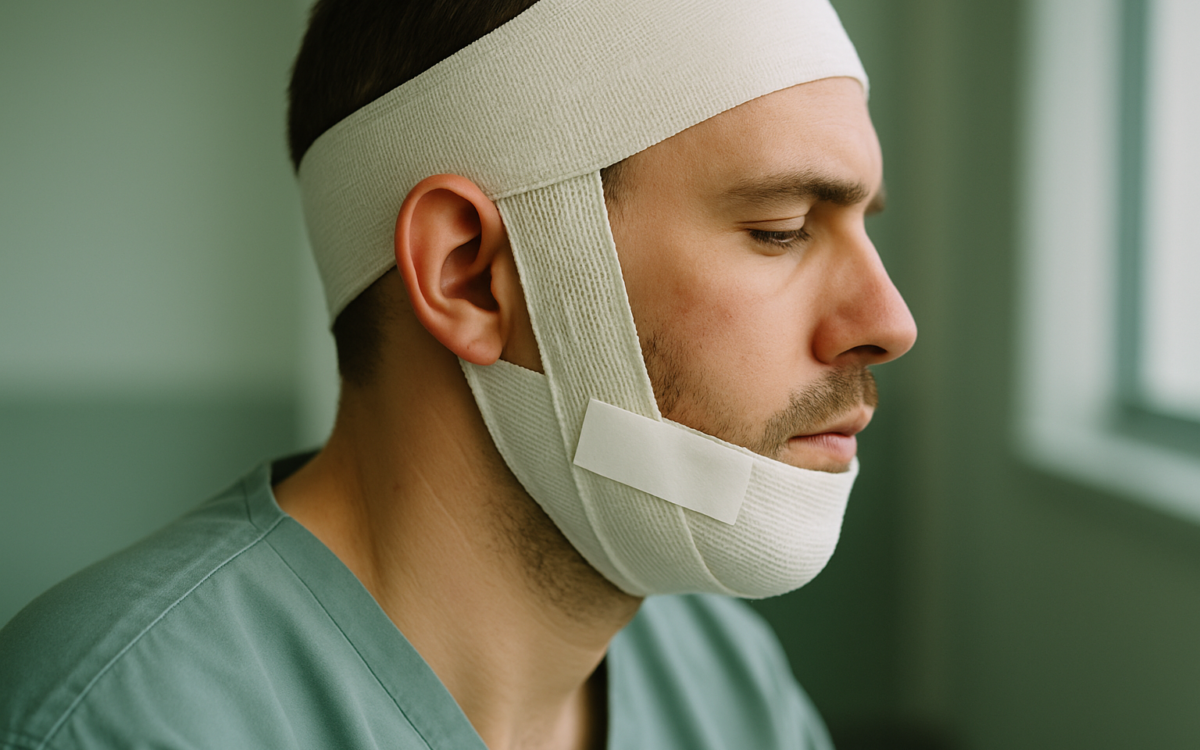
A broken jaw, or mandibular fracture, is an injury that can cause not only physical discomfort but also emotional distress. Understanding the causes, symptoms, and treatment options can help you navigate this challenging situation. This article aims to provide clear, useful information about broken jaws to better equip you with knowledge about this injury.
What Causes a Broken Jaw?
A broken jaw often results from traumatic events or accidents. Here are some common causes:
- Falls: Accidental falls, especially among older adults or active children, can easily lead to jaw injuries.
- Sports Injuries: Contact sports like football, boxing, and martial arts are frequent culprits for jaw fractures.
- Car Accidents: Road traffic accidents can cause severe impact that may result in a broken jaw.
- Physical Altercations: Fights or assaults can lead to direct blows to the jaw.
- Dental Procedures: Rarely, certain dental interventions can lead to fractures, particularly if there is pre-existing weakness.
Identifying the Symptoms
Recognizing a broken jaw is crucial for seeking timely medical attention. Symptoms can vary, but common indicators include:
- Pain and Tenderness: A broken jaw often causes significant pain, especially when moving your mouth to talk or chew.
- Swelling and Bruising: You may notice swelling on one side of your face or jaw area, often accompanied by bruising.
- Difficulty in Jaw Movement: Moving the jaw or opening the mouth may be difficult or impossible.
- Misalignment: A broken jaw may result in your teeth not properly aligning when your mouth is closed.
- Changes in Bite: A broken jaw can alter how your teeth fit together.
- Breathing Difficulties: Severe injuries might cause swelling that affects breathing.
If you’re experiencing any of these symptoms after an injury, it’s essential to seek medical assistance.
Diagnosing a Broken Jaw
Doctors diagnose a broken jaw through a combination of physical examination and imaging techniques. During the examination, your doctor will evaluate:
- Your medical history and the nature of your injury.
- The alignment of your teeth and jaw.
- The presence of swelling, bruising, or deformity.
The most definitive way to confirm a broken jaw is through imaging tests, often involving:
- X-rays: These can show the location and severity of fractures.
- CT Scans: These provide detailed images of bone injuries, especially beneficial in complex cases.
You can find valuable information about diagnostic techniques from the NIH.
Treatment Options for a Broken Jaw
Treatment for a broken jaw depends on the type and severity of the fracture. Here are the common approaches:
- Rest and Ice: For minor fractures, doctors may recommend rest and applying ice to reduce swelling.
- Soft Diet: Eating soft foods and avoiding hard or chewy items can help reduce strain on the jaw.
- Oral Surgery: If the fracture is severe or misaligned, surgical intervention may be necessary. Surgeons will use plates and screws to stabilize the jaw.
- Wiring the Jaw Shut: In some cases, the jaw may be wired shut for several weeks to ensure proper healing.
- Pain Management: Over-the-counter pain relief or prescribed medications can help manage discomfort.
Self-care strategies and comprehensive treatment plans can improve recovery outcomes. For more detailed treatment information, refer to the Mayo Clinic.
Recovery and Rehabilitation
Once a broken jaw is diagnosed and treated, recovery is the next focus. Healing can take several weeks to months, depending on the injury’s severity. Here are some recovery tips:
- Follow-Up Appointments: Keeping regular check-ups with your healthcare provider is critical to monitor your healing process.
- Oral Hygiene: Maintaining good oral hygiene is essential, even if eating is challenging for a while.
- Physical Activity: Gradually return to physical activities, avoiding high-risk contacts until cleared by your doctor.
- Nutritional Support: A balanced diet supports healing. Consider discussing nutritional needs with a healthcare provider.
Rehabilitation, including jaw exercises, can sometimes be necessary to regain mobility and strength.
When to See a Doctor
If you suspect you have a broken jaw, it is important to seek medical attention as soon as possible. Signs that require immediate care include:
- Severe pain that does not improve with over-the-counter medication.
- Difficulty breathing.
- Excessive bleeding from the mouth or injury site.
- Extreme swelling that prevents mouth movement.
- Symptoms of infection, such as fever or pus discharge.
In any of these cases, contacting a healthcare provider promptly can prevent complications and promote effective recovery.
Understanding what causes a broken jaw, how to recognize its symptoms, and knowing the treatment options can empower you to manage this type of injury effectively. By seeking timely medical advice and following recommended care, you can navigate the recovery journey with confidence.
