
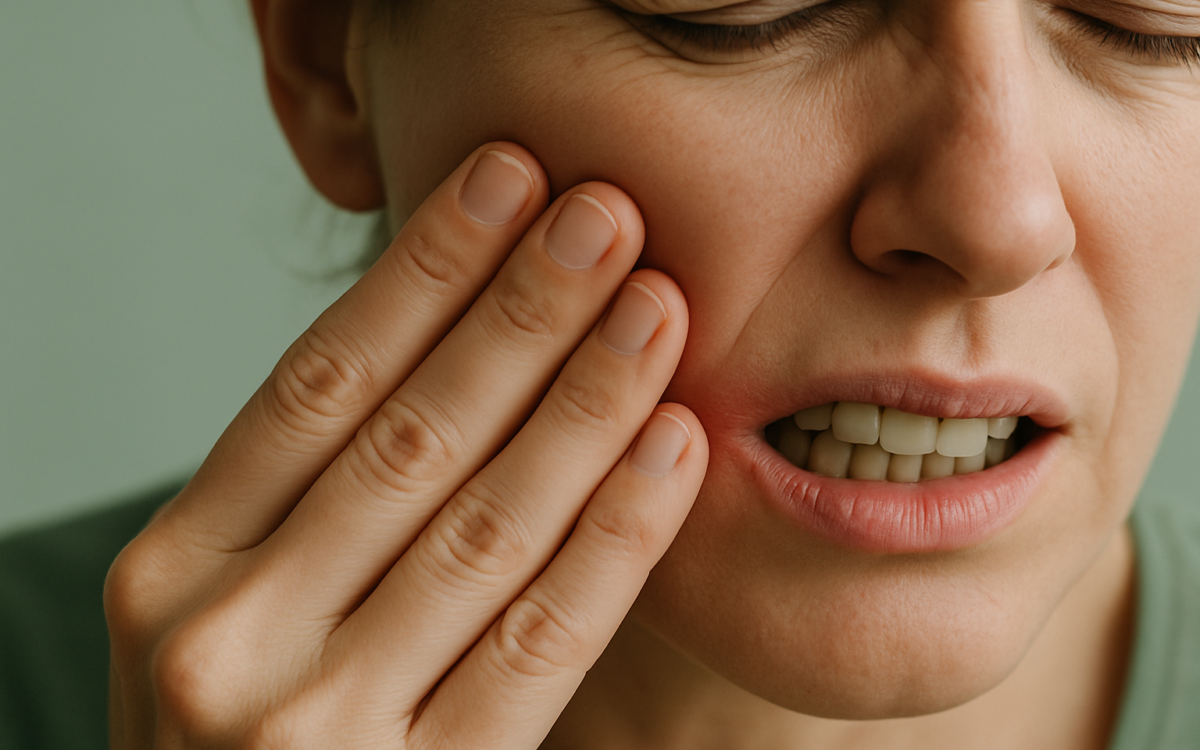
Experiencing an ache in your gums can be troubling. It’s a reminder that your oral health needs attention. While gum pain can be common, it can also indicate underlying issues that require care. Understanding what might be causing this discomfort is crucial for your overall health.
Common Causes of Gum Pain
Gum pain can stem from multiple sources, and recognizing these can help you determine the best course of action. Here are some frequent culprits:
- Gingivitis: This early form of gum disease is often caused by plaque buildup from poor oral hygiene. Symptoms include swollen gums, bleeding when brushing, and persistent discomfort.
- Periodontitis: If gingivitis is left untreated, it can progress to periodontitis, a more serious infection that can damage soft tissues and bone supporting your teeth, leading to tooth loss.
- Tooth Abscess: A pocket of pus caused by bacterial infection can create significant pain as it puts pressure on surrounding gums and tissues.
- Teething: For young children, emerging teeth can lead to gum ache, often accompanied by fussiness and irritability.
- Hormonal Changes: Changes in hormone levels during puberty, menstruation, pregnancy, or menopause can make gums more sensitive, resulting in discomfort.
Symptoms Accompanying Gum Pain
Ache in your gums doesn’t usually occur in isolation. Here are some common symptoms that might appear alongside gum pain:
- Swelling or redness
- Bleeding while brushing or flossing
- Bad breath that persists
- Loose teeth
- Changes in the alignment of your bite
If you notice these symptoms, it’s essential to take them seriously. They can lead to more significant problems if not addressed promptly.
Effects of Poor Oral Hygiene
Ignoring dental hygiene can be a recipe for gum issues. Brushing and flossing regularly helps reduce plaque, which can turn into tartar—a hard substance that is much harder to remove. Over time, neglecting this routine can lead to the development of gingivitis or periodontitis.
Here are some best practices to maintain good oral hygiene:
- Brush your teeth at least twice a day.
- Floss daily to remove food particles and plaque from between the teeth.
- Use an antimicrobial mouthwash to reduce bacteria.
- Replace your toothbrush every three to four months.
- Schedule regular dental check-ups for professional cleanings and assessments.
Nutritional Considerations for Healthy Gums
Your diet plays a pivotal role in maintaining healthy gums. A balanced intake of vitamins, particularly vitamin C, can promote gum health and combat inflammation. Foods rich in antioxidants, such as fruits and vegetables, can boost your immune system, thus helping to fend off infections.
Here are some nutrients important for gum health:
- Calcium: Essential for strong teeth and bones; found in dairy products, leafy greens, and fortified foods.
- Vitamin C: Aids in maintaining connective tissues and helps heal wounds; found in citrus fruits, strawberries, and bell peppers.
- Omega-3 Fatty Acids: Known for their anti-inflammatory properties; found in fatty fish, flaxseeds, and walnuts.
At-Home Remedies for Gum Ache
There are several natural remedies you might consider to alleviate mild gum pain:
- Warm saltwater rinse: Mix a teaspoon of salt in a glass of warm water and rinse your mouth to help reduce inflammation.
- Cold compress: Applying a cold pack on the outside of your cheek can numb the area and reduce swelling.
- Turmeric paste: Turmeric contains curcumin, an anti-inflammatory compound. Mixing it with water to make a paste and applying it to the gums may offer relief.
While these remedies can help with discomfort, they should not substitute professional dental care.
When to See a Doctor
While mild gum aches can often be managed at home, you should consult your dentist or healthcare provider if you experience:
- Severe pain or discomfort that doesn’t improve.
- Persistent bleeding from the gums.
- Swelling that does not subside.
- A fever or swollen lymph nodes, indicating a possible infection.
Professional evaluation and treatment can help prevent complications and ensure that any underlying issues are addressed.
In summary, an ache in your gums can be a signal from your body that needs attention. By understanding the causes, maintaining good oral hygiene, and recognizing symptoms, you can work towards better gum health. If discomfort persists, don’t hesitate to consult your healthcare provider for personalized advice and treatment.
