
Gingivitis is a common gum disease that many people experience at some point in their lives. It’s often the result of plaque buildup on teeth, which can lead to inflammation and irritation of the gums. Understanding the connection between gingivitis and plaque is essential in maintaining good oral health. In this article, we’ll delve into what gingivitis is, how plaque contributes to it, and what you can do to keep your gums healthy.
What is gingivitis?
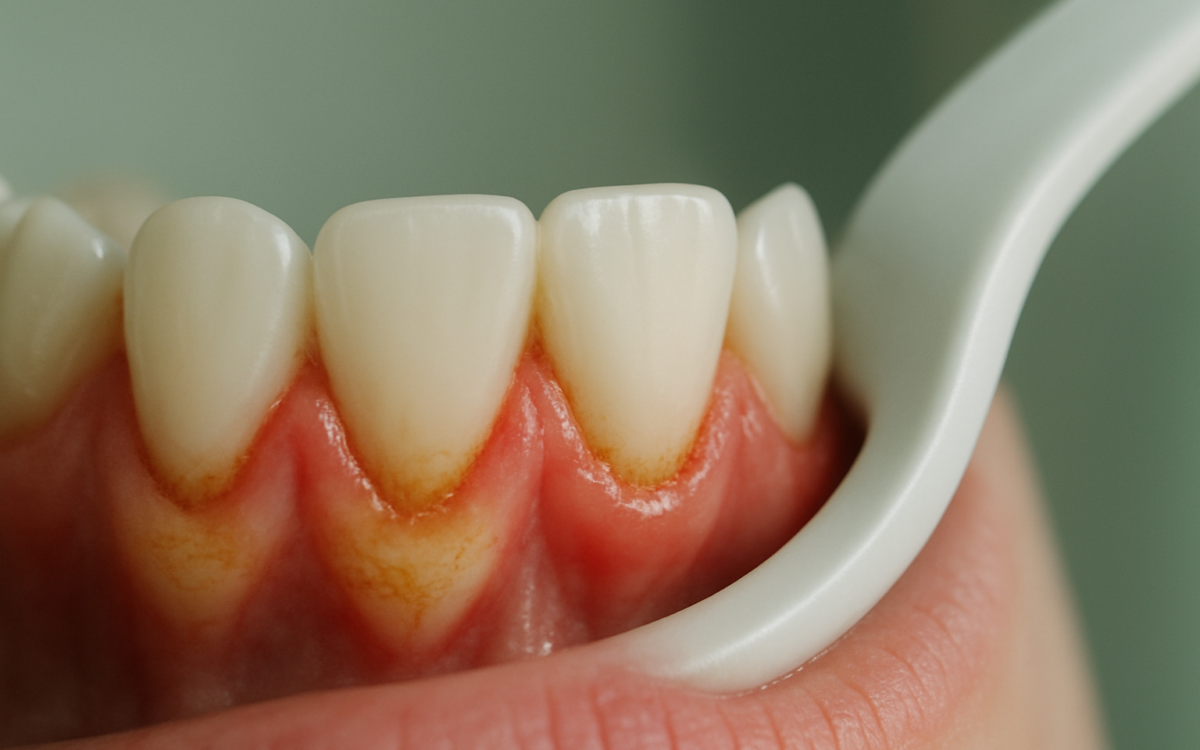
Gingivitis is an early stage of gum disease characterized by redness, swelling, and irritation of the gums. It occurs when plaque, a sticky film of bacteria and food particles, accumulates on the teeth. If left untreated, gingivitis can progress to a more severe gum disease known as periodontitis, which can lead to tooth loss and other serious health issues. According to data from the CDC, nearly half of adults over the age of 30 have some form of gum disease, making awareness and prevention crucial.
How plaque affects gum health
Plaque forms on teeth within hours after brushing and can solidify into tartar if not properly removed. Tartar is more difficult to remove and often requires professional cleaning. The buildup of plaque and tartar irritates the soft tissue of the gums, leading to inflammation and the symptoms of gingivitis. Common signs include:
- Swollen or red gums
- Bleeding while brushing or flossing
- Bad breath
- Receding gums
The presence of plaque is the primary cause of gingivitis, and maintaining proper oral hygiene is essential in controlling plaque buildup.
Prevention strategies for plaque and gingivitis
Preventing gingivitis begins with a solid oral hygiene routine. Here are some key practices to follow:
1. Brush your teeth twice a day
Use fluoride toothpaste and a soft-bristled toothbrush to brush your teeth at least twice a day. Spend two minutes brushing, making sure to cover all surfaces.
2. Floss daily
Flossing removes food particles and plaque between teeth that your toothbrush can’t reach. Make it a habit to floss at least once daily.
3. Rinse with mouthwash
A mouthwash that fights plaque can help reduce oral bacteria and strengthen your gums. Choose a mouthwash with antimicrobial properties for the best results.
4. Regular dental check-ups
Visit your dentist every six months for check-ups and professional cleanings. Dental professionals can detect early signs of gum disease before they become serious.
5. Healthy diet
A balanced diet rich in fruits, vegetables, and whole grains can support gum health. Foods high in sugar can contribute to plaque buildup, so try to limit sugary snacks and beverages.
International perspectives on gingivitis treatment
In some countries, access to dental care may be limited, making it difficult for individuals to address gingivitis and plaque issues promptly. However, there are many facilities worldwide that specialize in dental health, offering services for international patients concerned about gum disease. Organizations providing international patient services can help individuals find the right care abroad, ensuring they receive the necessary treatments for gingivitis and other dental issues.
Recognizing advanced symptoms
If gingivitis is left untreated, it can progress into more severe periodontal diseases. Some advanced symptoms to watch for include:
- Pockets forming between teeth and gums
- Loose teeth
- Changes in bite
- Persistent bad breath not resolved through oral hygiene
If you notice any of these signs, it’s important to seek care from a dental professional.
When to see a doctor
If you experience symptoms of gingivitis that do not improve with improved oral hygiene, or if you notice symptoms of more advanced gum disease, it’s crucial to consult a dentist. Early intervention can prevent more severe complications that could affect both your oral and overall health.
Conclusion
Gingivitis is a common yet significant health issue primarily caused by plaque buildup on teeth. By understanding the importance of good oral hygiene and the preventive measures you can take, you can protect your gums and maintain your overall dental health. Regular check-ups and attention to your oral habits can make a significant difference in your gum health and prevent gingivitis from progressing.
