
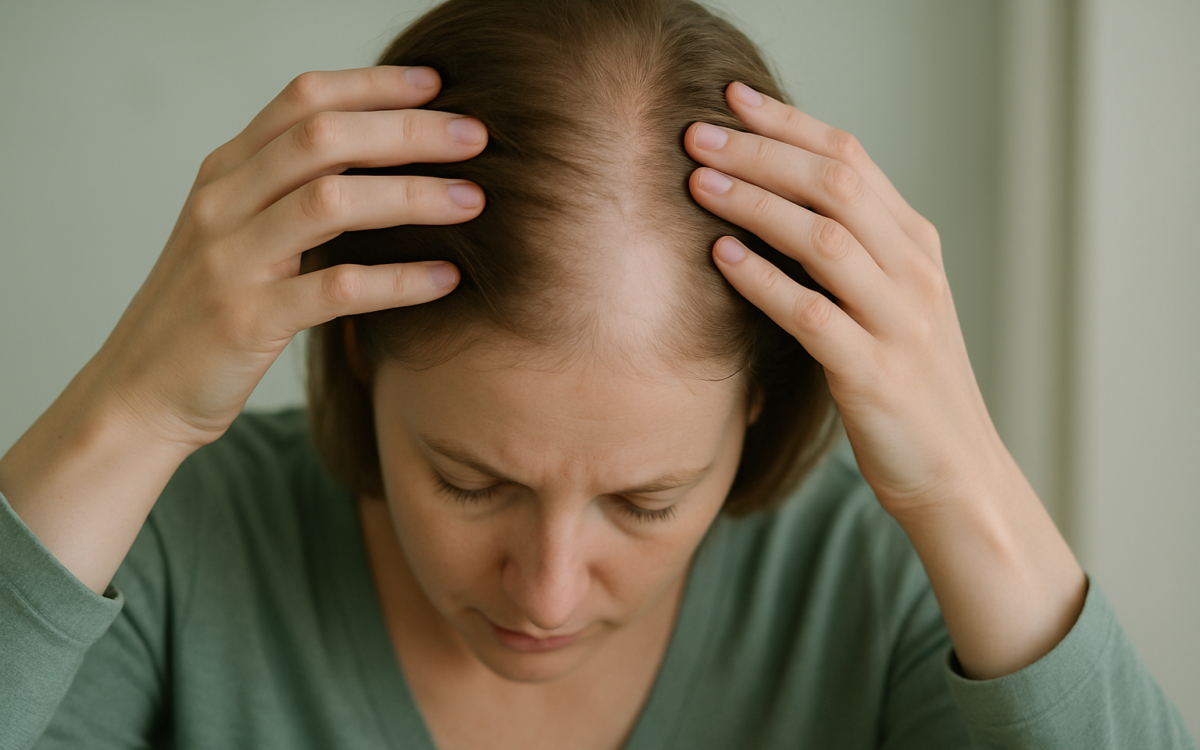
Alopecia is a term that refers to hair loss, which can happen to anyone at any age. It includes various types that result in different patterns and levels of hair thinning or baldness. Recognizing the symptoms is vital for understanding the condition and seeking appropriate treatment. This article will help you identify the key symptoms of alopecia, which can vary based on the type of alopecia a person experiences.
What is Alopecia?
Alopecia is a medical condition characterized by hair loss in various areas of the body, most commonly on the scalp. The severity and pattern of hair loss can differ among individuals and depend on the underlying cause. Alopecia can be temporary or permanent, and its effects can be emotional and physical, impacting a person’s self-esteem and quality of life.
Common Types of Alopecia and Their Symptoms
There are several types of alopecia, each with its own distinct symptoms. Here, we will explore the most common forms:
Alopecia Areata
Alopecia areata is an autoimmune disorder where the immune system mistakenly attacks the hair follicles, leading to sudden hair loss. Symptoms include:
- Patchy hair loss, often in round or oval spots
- Hair falling out rapidly, sometimes within a few weeks
- Changes in the texture or thickness of the hair
- Hair regrowth may occur, but it can fall out again
Androgenetic Alopecia
Also known as male pattern baldness or female pattern hair loss, androgenetic alopecia is usually hereditary. Symptoms may manifest as:
- Gradual thinning of hair on the crown or at the temples
- Receding hairline in men
- Widening part in women
- Generally, hair becomes finer over time
Alopecia Totalis
Alopecia totalis is a more severe form of alopecia areata that results in complete baldness on the scalp. Symptoms include:
- Total loss of hair on the head
- Potential loss of facial and body hair as well
Alopecia Universalis
Alopecia universalis is the most aggressive type of alopecia, leading to total hair loss across the entire body. Symptoms may involve:
- Complete hair loss, including eyebrows and eyelashes
- Hair may grow back only to fall out again
Other Symptoms Associated with Alopecia
While hair loss is the most noticeable symptom of alopecia, some individuals may experience additional signs, depending on the type and severity of their condition. These can include:
- Itching or burning sensation on the scalp
- Changes in the nails, such as ridges or pitting
- Increased skin fragility or sensitivity in affected areas
Emotional and Psychological Effects of Alopecia
The impact of alopecia extends beyond physical symptoms. Many people experience emotional challenges, such as:
- Low self-esteem and self-image issues
- Depression or anxiety
- Feeling isolated or different from peers
It’s important for those experiencing hair loss to seek support. Talk therapy, support groups, and connecting with others who have similar experiences can be beneficial in managing these feelings.
When to See a Doctor
If you notice sudden or unusual hair loss, it’s wise to consult a healthcare professional. Early diagnosis can help in determining the right treatment. You should particularly seek care if you have:
- Rapid hair loss in patches or general thinning
- A family history of autoimmune conditions
- Associated symptoms like itching, burning, or nail changes
Doctors may conduct physical exams and order blood tests or skin biopsies to determine the cause of hair loss. To learn more about alopecia and its symptoms, you can visit Mayo Clinic or explore articles on NIH.
Conclusion
Understanding the symptoms of alopecia is the first step in managing hair loss and its effects. By recognizing the signs specific to your condition, you can seek help, find resources, and connect with others who share similar experiences. If you’re experiencing symptoms of alopecia, consulting with a healthcare professional can guide you toward appropriate support and treatment.
