
Dealing with hair loss can be a stressful experience for anyone, but understanding the options available for alopecia treatment can empower you. Alopecia, which refers to hair loss, can occur for various reasons, and knowing how to manage it is key to maintaining not just your hair, but your confidence and self-esteem.
What is Alopecia?
Alopecia is more than just losing hair; it is a medical condition that can affect men and women of all ages. There are different types of alopecia, with alopecia areata being one of the most common. This autoimmune disorder causes hair to fall out in small, round patches. Other types include androgenetic alopecia (commonly known as male or female pattern baldness), telogen effluvium (temporary hair loss due to stress or trauma), and cicatricial alopecia (which results in permanent hair loss due to inflammation).
Common Treatment Options
Treating alopecia can involve various approaches depending on its cause and severity:
Topical Treatments
One of the most popular treatments for alopecia areata is topical minoxidil, often known as Rogaine. This over-the-counter medication is mostly used by men and women experiencing pattern baldness, but some studies have shown it can also be effective for alopecia areata. It works by increasing blood circulation to the hair follicles, which may promote hair growth.
Corticosteroids
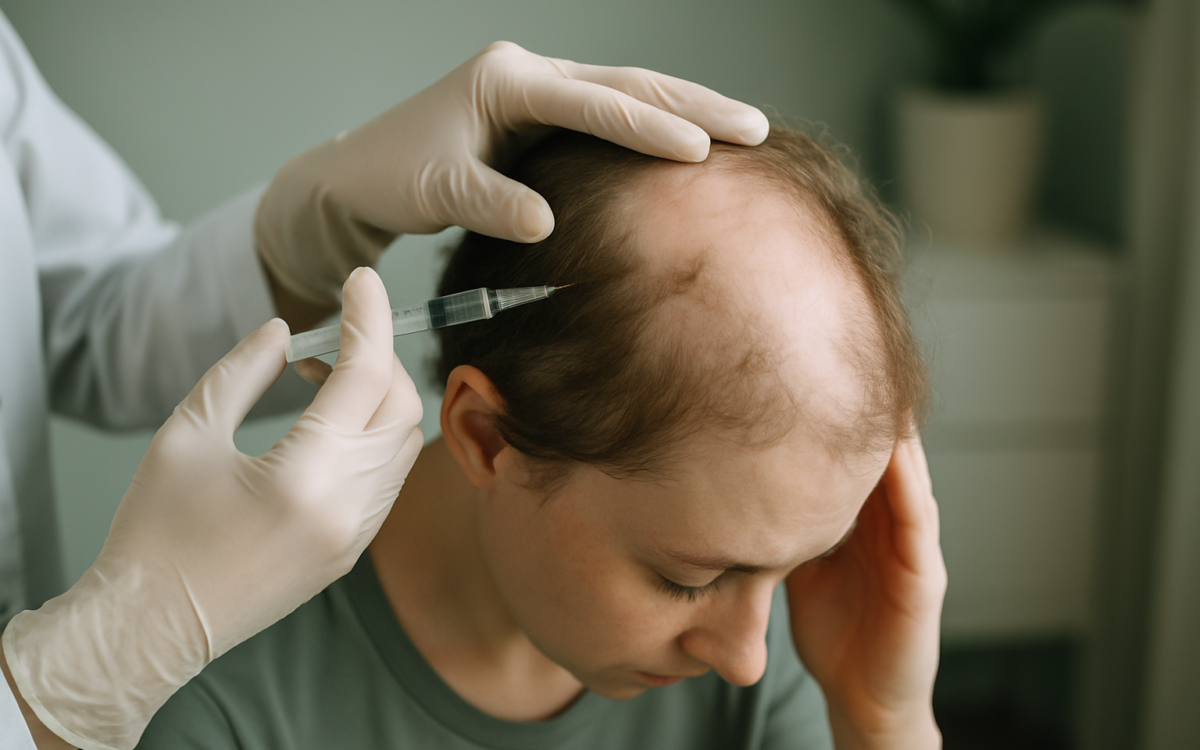
Corticosteroid injections are commonly administered for alopecia areata. These are anti-inflammatory medications injected directly into the bald patches to help halt inflammation and prompt hair regrowth. The frequency of injections may vary based on the severity of the condition and the individual’s response.
Alternative Therapies
In addition to traditional treatments, some individuals explore alternative approaches:
Natural Remedies
Several natural remedies, such as essential oils, vitamins, and minerals, are touted for their ability to promote hair growth. Ingredients like rosemary oil, pumpkin seed oil, and biotin supplements are often used. However, while they might have anecdotal support, evidence from clinical studies is limited. Consultation with a healthcare provider is essential before starting any new treatment.
Low-Level Laser Therapy (LLLT)
Low-level laser therapy is a non-invasive treatment option that uses specific wavelengths of light to stimulate hair follicles. Some studies indicate that LLLT may help promote hair growth in individuals with androgenetic alopecia and alopecia areata. Research on LLLT is still ongoing, so it’s beneficial to check with a healthcare professional for the latest findings.
Lifestyle Changes and Support
Lifestyle factors can impact hair health, so making changes in your daily routine may assist with managing alopecia:
Diet and Nutrition
A balanced diet rich in vitamins and minerals can support overall health, which includes hair health. Nutrients like zinc, vitamin D, and omega-3 fatty acids have been linked to hair health. Consider including foods like fatty fish, nuts, whole grains, and leafy greens in your diet.
Stress Management
Reducing stress through techniques such as mindfulness, yoga, or meditation can also be beneficial. Stress is known to be a trigger for many types of hair loss, including telogen effluvium. Engaging in regular exercise and finding time for relaxation can help to lower stress levels.
Combining Treatments for Best Outcomes
Many individuals find success by combining treatments. For instance, using minoxidil alongside corticosteroid injections or incorporating vitamin supplements into your daily routine can potentially enhance results. Always discuss any combination of treatments with a healthcare provider to ensure efficacy and safety.
When to See a Doctor
If you notice sudden or patchy hair loss, it’s important to consult a healthcare professional. Conditions like alopecia can sometimes be linked to underlying health issues that require medical attention. A dermatologist can provide a proper diagnosis and recommend tailored treatments that are most suitable for your specific case.
Conclusion
Alopecia treatment is diverse, with options ranging from topical solutions to lifestyle adjustments. Understanding your condition and its various treatment avenues can help you feel more empowered in managing hair loss. Don’t hesitate to seek professional advice tailored to your unique situation.
