
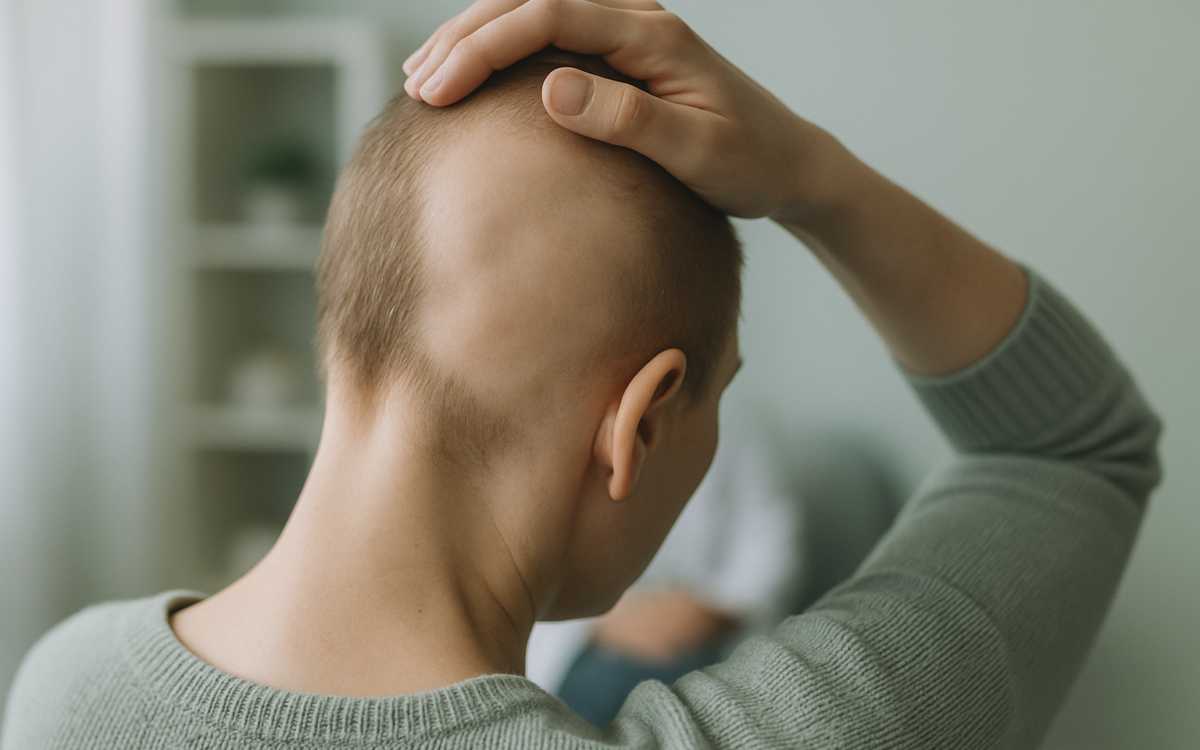
Alopecia is a term that often sparks curiosity and concern among many people. It refers to hair loss that can occur on the scalp or other parts of the body. Understanding the meaning of alopecia helps demystify this condition, allowing those affected to seek the support and treatment they need.
What Is Alopecia?
Alopecia is a medical term used to describe various forms of hair loss. It’s not a condition that just involves individuals losing their hair; it can encompass a range of disorders affecting hair growth. As defined by the National Institutes of Health, alopecia can be temporary or permanent and may affect both men and women alike.
Types of Alopecia
There are several recognized types of alopecia, each with its own characteristics and causes. Here are the most common ones:
- Alopecia Areata: This is an autoimmune disorder where the body mistakenly attacks hair follicles, leading to patchy hair loss.
- Alopecia Totalis: A more severe form of alopecia areata that leads to a complete loss of hair on the scalp.
- Alopecia Universalis: This is the most extensive variant, resulting in hair loss across the entire body, including eyebrows and eyelashes.
- Androgenetic Alopecia: Also known as male or female pattern baldness, this type is genetically driven and progressive, causing thinning hair and eventual hair loss.
Common Causes of Alopecia
The underlying causes of alopecia can vary significantly. Here are some common factors:
- Genetics: A family history of hair loss is one of the most common predictors of alopecia.
- Autoimmune Disorders: Conditions like lupus and thyroid disorders can contribute to hair loss.
- Stress: Severe emotional or physical stress can trigger alopecia in some people.
- Hormonal Changes: Hormonal imbalances, especially in women during pregnancy or menopause, can cause hair loss.
- Medical Treatments: Certain medications, particularly those used in chemotherapy, can result in hair loss.
Symptoms to Watch For
The primary symptom of alopecia is hair loss. However, the pattern and extent of hair loss can differ based on the type of alopecia:
- In alopecia areata, hair may fall out in small, round patches.
- Alopecia totalis usually leads to total scalp hair loss.
- Androgenetic alopecia typically shows up as receding hairlines or balding at the crown.
Besides visible changes, some individuals may experience changes in the texture or quality of their hair before significant hair loss occurs.
Diagnosis of Alopecia
Getting an accurate diagnosis is essential for effective management of alopecia. Dermatologists typically conduct a thorough medical history and physical examination. Sometimes, additional tests, such as blood tests or a scalp biopsy, may be necessary to confirm the diagnosis and rule out other conditions.
Treatment Options for Alopecia
While there is no one-size-fits-all treatment for alopecia, various options are available that may help manage the condition:
- Medications: Corticosteroids are commonly used to reduce inflammation and suppress the immune response. Mayo Clinic also mentions medications like minoxidil that can promote hair regrowth.
- Immunotherapy: This treatment involves applying a chemical solution to the scalp to provoke an allergic reaction, which may stimulate hair growth.
- Hair Transplants: For some individuals, surgical options may be considered, particularly in cases of androgenetic alopecia.
- Wigs and Hairpieces: Many choose to wear wigs or hairpieces as a cosmetic solution to hair loss.
Emotional Impact of Alopecia
Alopecia is not just a physical condition; it can have significant emotional and psychological effects. Many individuals experience anxiety, depression, or low self-esteem due to their hair loss. Support groups and counseling can provide valuable avenues for emotional support and the sharing of experiences.
When to See a Doctor
If you notice sudden or patchy hair loss, it’s important to consult a healthcare professional. They can help determine the underlying cause and recommend suitable treatment options.
Conclusion
Understanding alopecia meaning helps us appreciate the complexity of hair loss conditions. There are various types and causes, each requiring appropriate diagnosis and management. By becoming informed, individuals can seek the necessary support and treatments available, leading to a more empowered approach to hair loss.
