
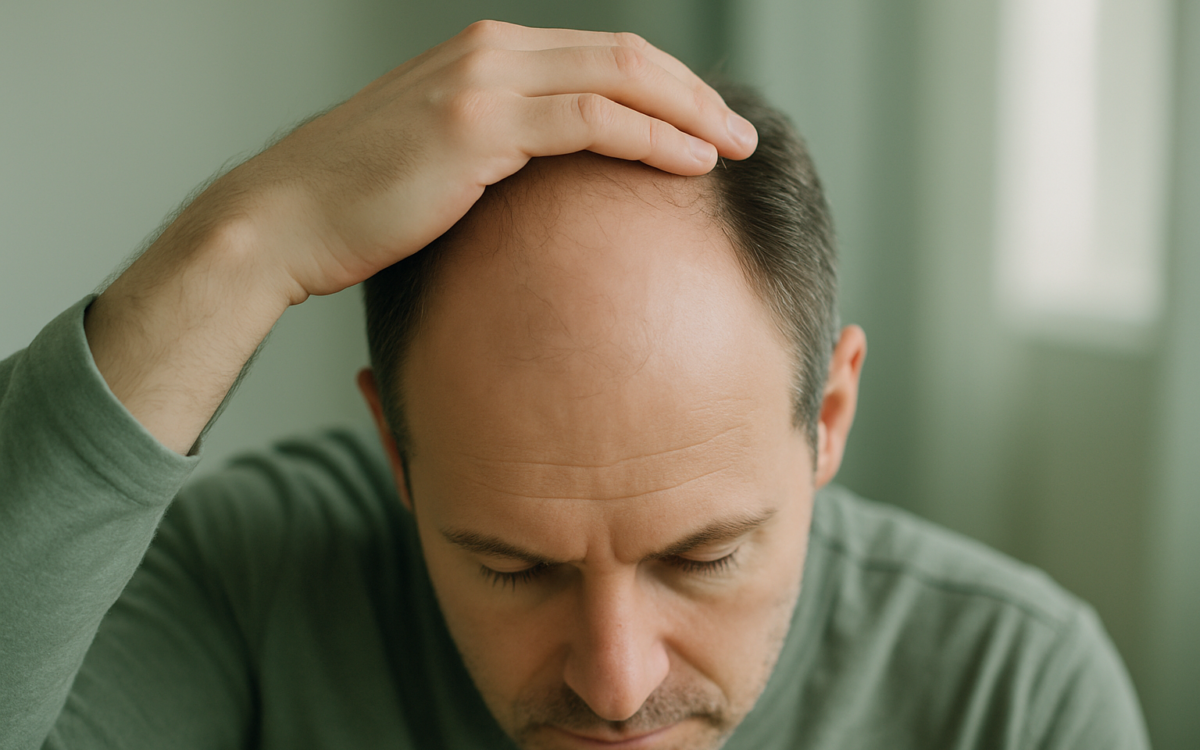
Androgenetic alopecia, commonly known as male or female pattern baldness, is a prevalent condition that affects millions of people worldwide. This form of hair loss is often hereditary and can start as early as the teenage years. If you’ve noticed your hair thinning or receding, understanding this condition can help you make informed choices about your hair care and treatment options.
What is androgenetic alopecia?
Androgenetic alopecia is a genetic condition characterized by the progressive loss of hair on the scalp. For men, it typically manifests as a receding hairline and thinning at the crown, while in women, it often results in overall thinning without a complete bald spot. This condition is driven largely by the body’s hormones, particularly dihydrotestosterone (DHT), which affects hair follicles.
Causes of androgenetic alopecia
The primary cause of androgenetic alopecia is genetics. If your family has a history of hair loss, you may be at an increased risk. Hormonal changes, especially during puberty, can trigger this condition. DHT, a derivative of testosterone, plays a significant role by shortening the hair growth cycle, ultimately leading to thinner hair and bald spots.
How genetics influence hair loss
Research shows that both male and female patterns of baldness can be inherited from either side of the family. This genetic predisposition determines how sensitive your hair follicles are to DHT. Studies have linked specific genes, such as the AR gene located on the X chromosome, to an increased risk of developing hair loss.
Signs and symptoms
Recognizing androgenetic alopecia early can be crucial for effective management. The signs include:
- For men, a receding hairline and thinning at the crown.
- For women, visible widening of the part and general thinning of hair.
- Shortening of the hair growth cycle, leading to an increase of hair falling out during normal shedding.
In both cases, the process is gradual and may not become apparent until significant hair loss has occurred.
Treatment options
While there’s no definitive cure for androgenetic alopecia, various treatments can help manage the condition and stimulate hair growth:
Medications
Two FDA-approved medications are commonly used: minoxidil and finasteride. Minoxidil is a topical treatment that can be applied directly to the scalp, while finasteride is an oral medication that helps block the conversion of testosterone to DHT. Both have shown effectiveness in slowing hair loss and promoting regrowth, though they may take several months to show results.
Hair transplant surgery
For those with significant hair loss, hair transplant surgery may be an option. This procedure involves taking hair from areas of the scalp where hair is still growing well and transplanting it to balding areas. While the results can be quite natural-looking, it’s important to consult with a qualified surgeon for assessment and potential outcomes.
Lifestyle changes
In addition to medical treatments, lifestyle changes can support healthy hair. Eating a balanced diet rich in vitamins and minerals, particularly those known to promote hair health (like biotin, zinc, and proteins), can aid in maintaining the quality of existing hair. Additionally, reducing stress through mindfulness, meditation, or exercise can positively impact your overall hair health.
Myths about hair loss
Androgenetic alopecia is surrounded by numerous myths that can lead to confusion. It’s important to separate fact from fiction:
- Myth: Wearing hats causes hair loss.
- Fact: Hats do not affect hair loss; androgenetic alopecia is primarily genetic.
- Myth: Hair loss only happens to older men.
- Fact: It can affect both genders at any age.
- Myth: Only men suffer from hair loss.
- Fact: Women can also experience pattern baldness, though it presents differently.
When to see a doctor
If you are experiencing unusual hair loss or changes in your hair thickness, it may be time to consult a healthcare provider. A doctor can help assess the condition, recommend appropriate tests, and discuss potential treatment options. Early intervention can be key to effective management.
Conclusion
Understanding androgenetic alopecia can empower you to make informed decisions regarding your hair health. With numerous treatment options available and ongoing advancements in medical science, there are pathways to managing this common condition. If you have concerns about hair loss, don’t hesitate to seek guidance from a healthcare professional.
