
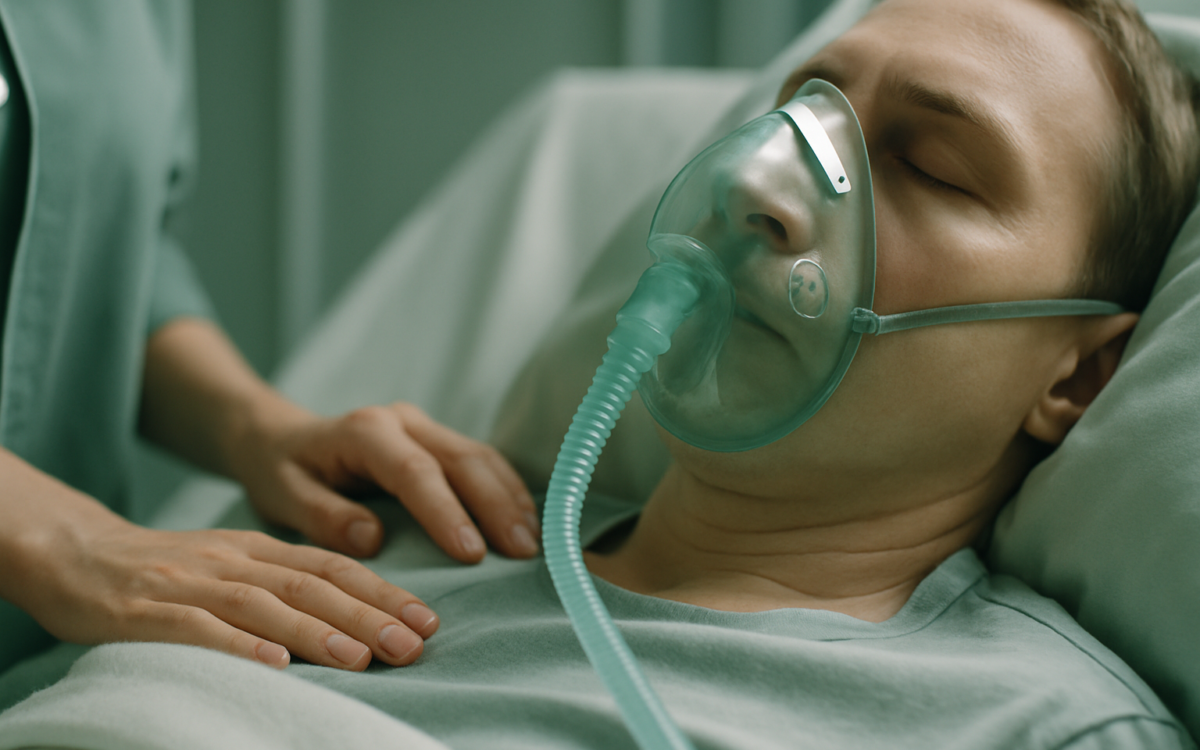
Anoxia is a medical term that refers to a lack of oxygen in the body’s tissues. While our bodies require a constant supply of oxygen to function optimally, anoxia occurs when there is a deficiency of this vital element, potentially leading to serious health consequences. Understanding anoxia, its causes, symptoms, and effects on the body can help us recognize its signs and seek timely medical assistance when necessary.
What is Anoxia?
To put it simply, anoxia describes a condition where there is a total absence of oxygen in the tissues, while hypoxia indicates a partial lack of oxygen. Both conditions are serious, but anoxia is often more critical since our bodies can only survive for a few minutes without adequate oxygen supply. Major organs, including the brain and heart, are particularly sensitive to changes in oxygen levels, making anoxia a life-threatening issue that requires immediate attention.
Common Causes of Anoxia
Several factors can contribute to anoxia, which can vary in severity and duration. Some of the most common causes include:
- Choking and Suffocation: A blocked airway can prevent oxygen from reaching the lungs.
- Respiratory Diseases: Conditions like asthma, chronic obstructive pulmonary disease (COPD), or pneumonia can impair oxygen exchange.
- High Altitude: At elevations above 8,000 feet, the oxygen levels decrease, which can lead to anoxia, especially in those unaccustomed to high altitudes.
- Cardiac Arrest: The heart’s inability to pump blood effectively can significantly reduce oxygen supply to the body.
- Environmental Factors: Carbon monoxide poisoning or other toxic gas inhalation can inhibit oxygen transport in the body.
Identifying the cause of anoxia is crucial, as it allows for the most effective treatment approach.
Recognizing the Symptoms of Anoxia
With anoxia, symptoms can vary based on its underlying cause and duration. Some common symptoms to look out for include:
- Shortness of breath
- Rapid heartbeat
- Confusion or altered mental state
- Loss of consciousness
- Seizures
- Skin turning bluish, especially around the lips and fingertips (cyanosis)
If anoxia is not treated promptly, it can lead to severe complications, including brain injury and death. Immediate recognition and action can make a significant difference in outcomes.
Effects of Anoxia on the Body
The impact of anoxia on the body can be profound. When tissues and organs do not receive enough oxygen, they cannot perform their functions effectively, leading to several physiological challenges. Here’s how anoxia can affect critical areas:
The Brain
The brain is exceptionally sensitive to oxygen deprivation. Even a few minutes without oxygen can lead to irreversible brain damage, affecting cognitive function, memory, and coordination. Survivors of severe anoxia may experience long-term neurological problems.
The Heart
Anoxia can cause the heart to become stressed, potentially leading to arrhythmias or even cardiac arrest. The longer the heart is deprived of oxygen, the greater the risk of damage.
Muscle and Organ Function
Muscles and other organs also suffer from lack of oxygen. Prolonged anoxia can lead to organ failure and muscle necrosis (tissue death), which may require surgical intervention or permanent damage.
Diagnosis of Anoxia
When a healthcare professional suspects anoxia, they will typically conduct a thorough assessment. This may include:
- Medical History: Exploring the symptoms, the events leading to them, and any pre-existing medical conditions.
- Physical Examination: Evaluating vital signs, neurological function, and signs of oxygen deprivation.
- Tests: Blood tests, imaging studies, or pulse oximetry may be carried out to measure the oxygen levels in your blood and assess overall health.
Such evaluations are critical to understanding the extent of the condition and formulating an appropriate treatment plan.
Treatment Options for Anoxia
Treatment for anoxia depends on its cause and severity. Quick intervention can improve the chances of a full recovery. Common treatment strategies may include:
- Rescue Breathing: For respiratory failure, providing artificial ventilation or rescue breathing may be necessary.
- Oxygen Therapy: Administering supplemental oxygen can help re-establish adequate oxygen levels in the body.
- Medications: Specific medications may address the underlying cause, such as bronchodilators for asthma.
- Emergency Procedures: In cases of choking or airway obstruction, emergency maneuvers like the Heimlich maneuver may be required.
Overall, timely treatment is essential to reduce the risk of long-term complications.
When to See a Doctor
If you or someone you know exhibits symptoms of anoxia, it is crucial to seek medical attention immediately. Signs such as difficulty breathing, confusion, or loss of consciousness should not be ignored. Early recognition and intervention can substantially improve outcomes and reduce the risks associated with oxygen deprivation.
In summary, anoxia is a serious condition that can have significant effects on health and well-being. Understanding its causes, recognizing symptoms, and knowing when to seek help can empower individuals to respond effectively to this potentially life-threatening situation. To learn more about anoxia and its implications, consider visiting reputable sources like the National Institutes of Health or the World Health Organization.
