
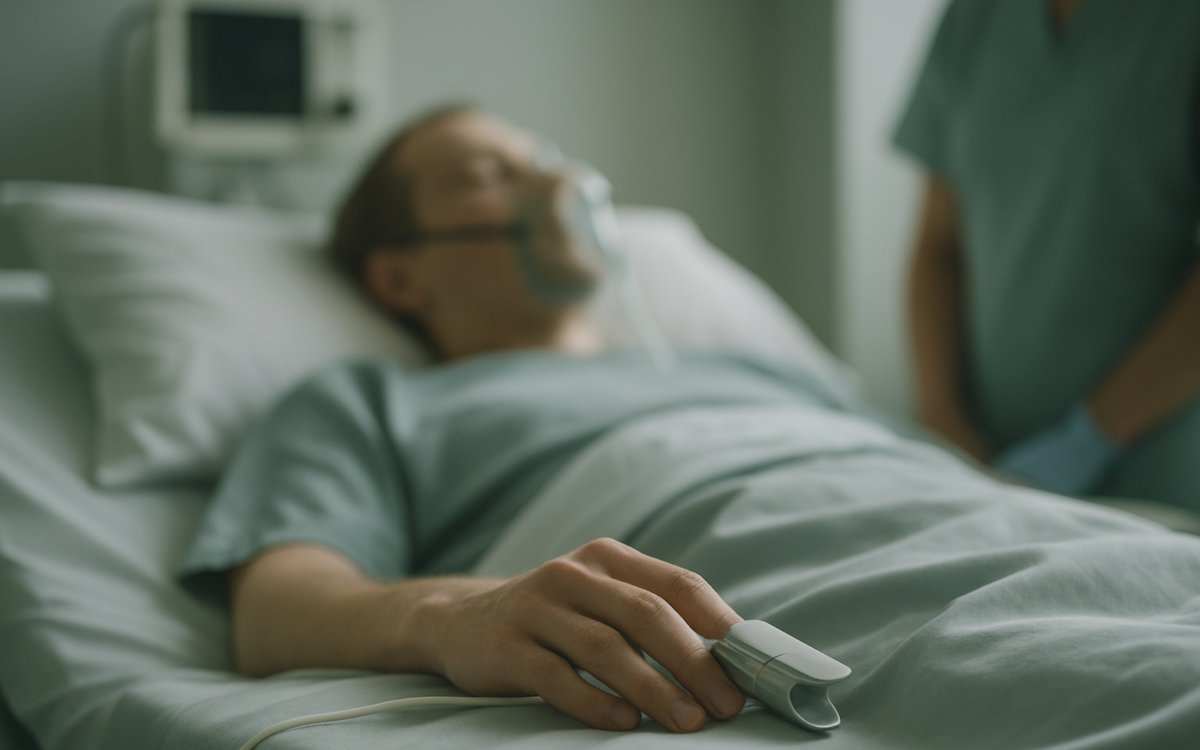
Anoxic brain injury is a critical condition that arises when the brain is deprived of oxygen. This lack of oxygen can lead to serious damage, affecting not just cognitive functions but also physical abilities. Understanding the causes, effects, and recovery process for anoxic brain injury is essential for patients and their families. In this article, we will explore what anoxic brain injury is, its symptoms, possible causes, and approaches to recovery.
What is Anoxic Brain Injury?
Anoxic brain injury is a type of brain damage that occurs when the brain is completely deprived of oxygen. Unlike other forms of brain injury that may result from physical trauma, anoxic brain injury is primarily due to oxygen deprivation. When the brain does not receive adequate oxygen, brain cells begin to die, which can lead to lasting impairments or even death.
Symptoms to Recognize
The symptoms of anoxic brain injury can vary widely depending on the individual and the extent of the oxygen deprivation. Common symptoms may include:
- Confusion or disorientation
- Loss of consciousness
- Memory problems
- Physical coordination issues
- Seizures
- Changes in mood or personality
If you notice any of these symptoms in yourself or someone else following an incident of oxygen deprivation, it is vital to seek medical attention immediately.
Common Causes of Anoxic Brain Injury
Anoxic brain injury can arise from a variety of situations. Here are some common causes:
- Drowning: Being submerged in water can lead to immediate oxygen deprivation.
- Choking: When the airway is blocked, oxygen cannot reach the lungs.
- Cardiac arrest: When the heart stops, blood flow (and thus oxygen) to the brain is interrupted.
- Severe respiratory issues: Conditions like asthma attacks or severe pneumonia can limit oxygen intake.
- Carbon monoxide poisoning: Inhaling carbon monoxide reduces the blood’s ability to carry oxygen to the brain.
Understanding these causes can help in prevention and prompt recognition of the signs of brain injury.
Consequences of Anoxic Brain Injury
The consequences of anoxic brain injury can be severe and long-lasting. Depending on the extent of the oxygen deprivation and duration, impacts may include:
- Cognitive impairment: Difficulties with memory, attention, and decision-making may occur.
- Motor skill challenges: Some individuals may experience reduced coordination or strength.
- Behavioral changes: Alterations in personality or emotional regulation can result from brain injury.
- Independence loss: Some individuals may require assistance with daily activities depending on the severity of their injuries.
These consequences can be overwhelming not only for the individuals affected but also for their families.
Recovery and Rehabilitation
Recovery from anoxic brain injury is a process that can take considerable time and effort. While some individuals may regain functions quickly, others may require extensive rehabilitation. Here are some common strategies for recovery:
- Physical therapy: Helps to regain physical strength and coordination.
- Cognitive therapy: Addresses memory and cognitive challenges through specialized exercises.
- Speech therapy: Assists with communication skills, often needed after brain injury.
- Support groups: Connecting with others facing similar challenges can provide emotional support and practical tips.
Every recovery journey is unique, and working closely with healthcare professionals is vital to developing a tailored rehabilitation plan.
When to See a Doctor
If you or someone else has experienced an event that may cause an anoxic brain injury, it is crucial to seek medical attention. Signs to watch for include loss of consciousness, extreme confusion, seizures, or any other unusual behavior. Early intervention is key to maximizing the chances of recovery and minimizing potential long-term effects.
Conclusion
Anoxic brain injury is a serious condition resulting from a lack of oxygen to the brain, leading to significant health impacts. Understanding the symptoms, causes, and recovery strategies is crucial for those affected and their families. Prompt medical attention and ongoing support can make a difference in recovery outcomes. If you suspect you or someone else may be experiencing an anoxic brain injury, reach out to a healthcare professional for guidance and care.
