
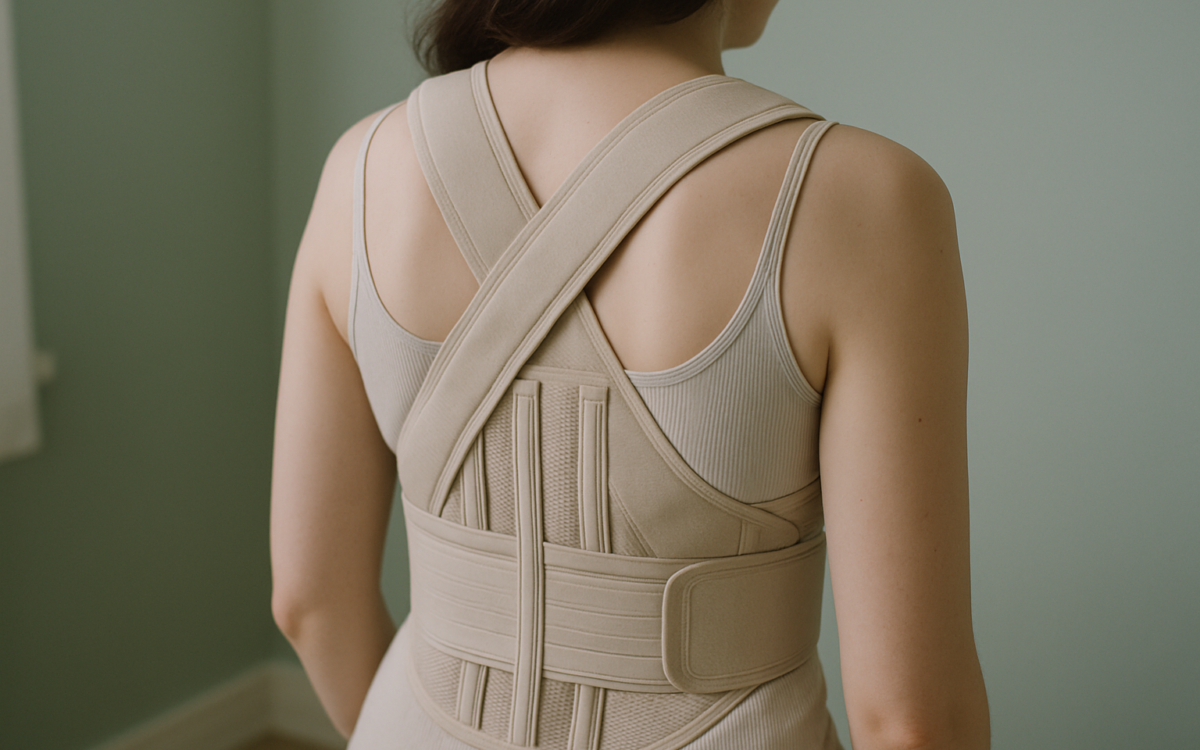
Back braces are often associated with back pain relief and posture improvement. While many people think of them solely as a treatment for injuries or chronic pain, these supportive devices can play a key role in overall spine health. Understanding how back braces work, their different types, and their benefits can help you make more informed choices about your back health.
What Are Back Braces?
Back braces, also known as spinal braces or orthopedic back supports, are designed to stabilize the spine and reduce pressure on specific areas of the back. They are often made from materials like elastic, foam, or rigid plastic. The main goal of a back brace is to alleviate pain, support proper posture, and promote healing after injuries.
Types of Back Braces
There are several types of back braces, each serving different purposes:
- Soft Braces: Made from elastic materials, these provide support and compression, often used for mild pain relief.
- Rigid Braces: Constructed from stiff materials, these are used after surgery or for more severe injuries to restrict movement.
- Posture Correctors: These are designed to keep the spine aligned, helping correct slouching and other postural issues.
Who Can Benefit from Wearing a Back Brace?
Many people can benefit from the use of a back brace, including:
- Individuals recovering from back injuries or surgeries
- People with chronic back pain conditions, such as herniated disks
- Athletes looking for extra support during physical activities
- Individuals with postural issues or scoliosis
However, it’s vital to consult with a healthcare professional to determine if a back brace is right for you.
How Back Braces Work
Back braces provide support by applying pressure to certain areas of the spine, which can help redistributing weight and relieving stress on painful areas. They may also restrict motion, which can be beneficial for healing after an injury. The compression effect can also improve blood flow to the area, potentially speeding up recovery.
International Perspectives on Treatment
When it comes to back brace therapy, treatment options vary worldwide. For instance, countries such as Turkey offer integrative approaches, blending traditional therapies with modern techniques. Platforms like acibademinternational.com provide insights into international treatment options, allowing patients to explore broader methodologies for back health.
Tips for Wearing a Back Brace
If you decide to use a back brace, consider the following tips to maximize its benefits:
- Follow Instructions: Always adhere to guidelines provided by your healthcare provider regarding wear time and usage.
- Fit is Important: Ensure that the brace fits properly. A poorly fitted brace can cause discomfort or even worsen pain.
- Combine Therapies: Consider using the brace alongside physical therapy, exercise, or other treatments for optimal results.
When to Consider Alternatives
While back braces can provide effective support, they are not a one-size-fits-all solution. Some alternatives to consider include:
- Physical Therapy: A trained therapist can develop a tailored program that strengthens your back.
- Medications: Over-the-counter pain relievers can be effective for managing discomfort.
- Exercise: Regularly engaging in low-impact activities can help maintain a healthy back.
When to See a Doctor
If you experience persistent back pain, worsening symptoms, or any new discomfort while using a back brace, it’s essential to consult a healthcare professional. Signs that require medical attention may include:
- Loss of feeling in your legs
- Severe pain that does not improve with rest or medication
- Difficulty walking or standing
Identifying the underlying cause of your back pain is crucial for managing your health effectively.
Conclusion
Back braces can serve as a valuable tool in managing back health, providing support, and aiding recovery. However, they should be used judiciously and typically in conjunction with other treatment methods. Understanding how they work and when to seek further medical advice can help you take the best steps toward a healthier back.
