
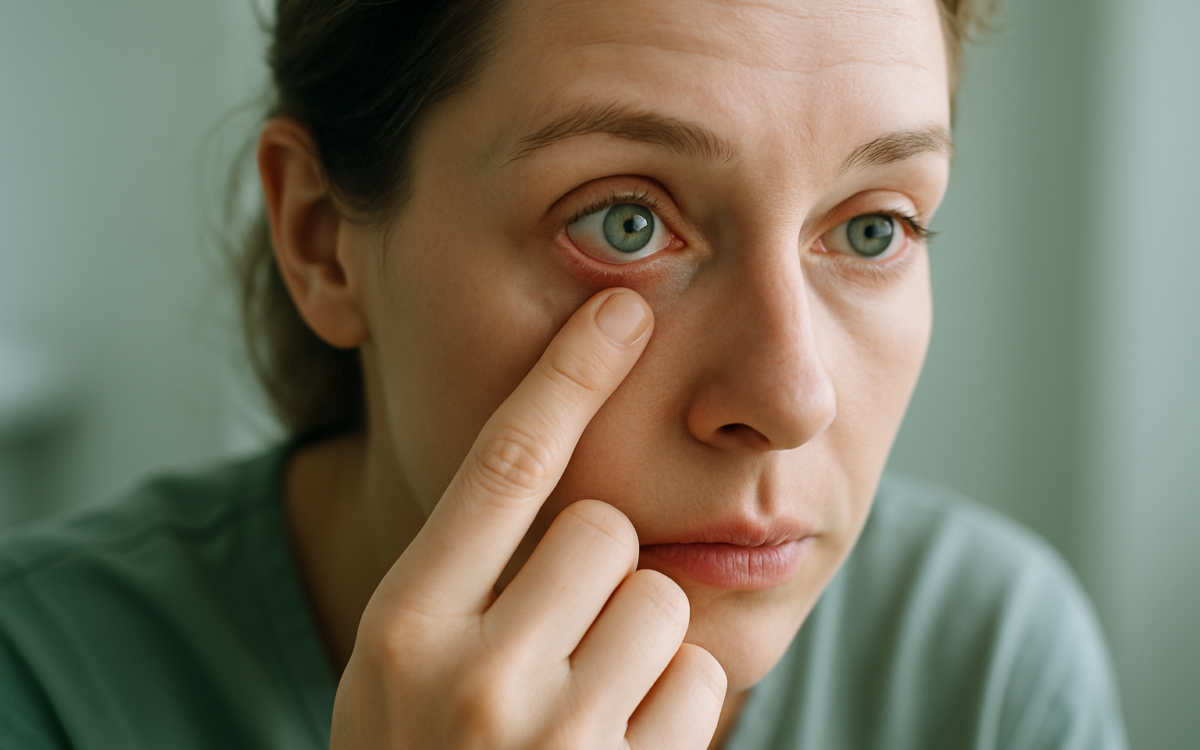
Bloodshot eyes, characterized by bright red or pink sclera, can catch you off guard during a busy day. They may appear alarming, but understanding what causes this condition can help you manage it effectively. While bloodshot eyes are often temporary and harmless, they can sometimes indicate underlying health issues. This article will delve into the reasons your eyes might turn red, how to care for them, and when it’s wise to consult a healthcare professional.
Common Causes of Bloodshot Eyes
Several factors can lead to bloodshot eyes, ranging from minor irritations to more serious conditions. Some common causes include:
- Irritants: Everyday irritants like smoke, dust, and pollen can cause temporary redness. When your eyes come into contact with these substances, the small blood vessels near the surface of your eye expand, making your eyes appear red.
- Allergies: Allergic reactions can provoke inflammation and redness in the eyes. Pollen, pet dander, or mold can trigger symptoms such as itchiness and redness.
- Dry Eyes: When your eyes lack adequate moisture, they can become irritated. This can happen due to prolonged screen time, dry climates, or specific medical conditions, resulting in bloodshot eyes.
- Infections: Conditions like conjunctivitis (pink eye) can cause redness and irritation. Infections can be viral, bacterial, or even allergic, and can present alongside symptoms like discharge or swelling.
- Strain: Prolonged periods of reading, working at a computer, or staring at a phone screen can lead to eye strain, resulting in redness and discomfort.
- Injury: A foreign object or injury to the eye can lead to localized redness. It’s vital to address such injuries promptly to avoid further complications.
Identifying Symptoms
Bloodshot eyes may not always present with obvious symptoms beyond the redness itself. However, accompanying signs can help determine the underlying cause:
- Itching or burning: Often indicates allergies or infections.
- Discharge: Green or yellow discharge can suggest an infection.
- Swelling: Puffiness around the eyes may accompany allergies or infections.
- Vision changes: Blurriness or other visual disturbances warrant immediate medical attention.
Home Remedies to Relieve Bloodshot Eyes
There are several over-the-counter remedies and home solutions you can try to soothe bloodshot eyes:
- Cool compress: Applying a cool, damp cloth over closed eyelids can help reduce redness and soothe irritation.
- Artificial tears: Eye drops can alleviate dryness and irritation. It’s essential to select preservative-free options if you plan to use them frequently.
- Reduce screen time: Follow the 20-20-20 rule: every 20 minutes, look at something 20 feet away for at least 20 seconds to reduce eye strain.
- Limit allergens: If allergies are triggering your symptoms, consider wearing sunglasses outdoors to limit exposure to allergens.
- Stay hydrated: Adequate hydration supports overall eye health. Drinking plenty of water can help maintain moisture levels in your eyes.
Over-the-Counter Treatments
If home remedies don’t bring relief, over-the-counter options may help. Here are a few popular options:
- Antihistamine eye drops: These can be beneficial if your redness is allergy-related.
- Vasoconstrictor drops: Redness-relief drops work by constricting blood vessels in the eye, reducing the appearance of redness. However, use these drops sparingly, as frequent use can lead to rebound redness.
Professional Treatments for Persistent Issues
If bloodshot eyes persist despite home treatments and over-the-counter solutions, consulting an eye care professional is important. They can provide further evaluation and may recommend:
- Prescription medication: For persistent allergies or infections, prescription medications such as stronger antihistamines or antibiotics may be necessary.
- Medical evaluation for underlying conditions: Rarely, chronic redness could signal a more severe underlying eye condition like glaucoma or uveitis. Early detection allows for better management.
When to See a Doctor
While bloodshot eyes can be harmless, certain symptoms should prompt a visit to a healthcare provider. Consider seeking medical attention if you experience:
- Severe pain or discomfort in the eye
- Changes in vision or persistent redness lasting more than a few days
- Significant swelling or discharge from the eye
- Redness following an eye injury
Always err on the side of caution; consulting with a healthcare provider can help prevent complications and ensure proper care.
Conclusion
Bloodshot eyes can range from a simple annoyance to a sign of a more serious issue. By understanding the causes, taking appropriate care, and knowing when to seek help, you can keep your eyes healthy and clear. Remember that while bloodshot eyes are often not a cause for serious concern, they deserve your attention. Always prioritize your eye health and consult your doctor for any concerning symptoms.
