
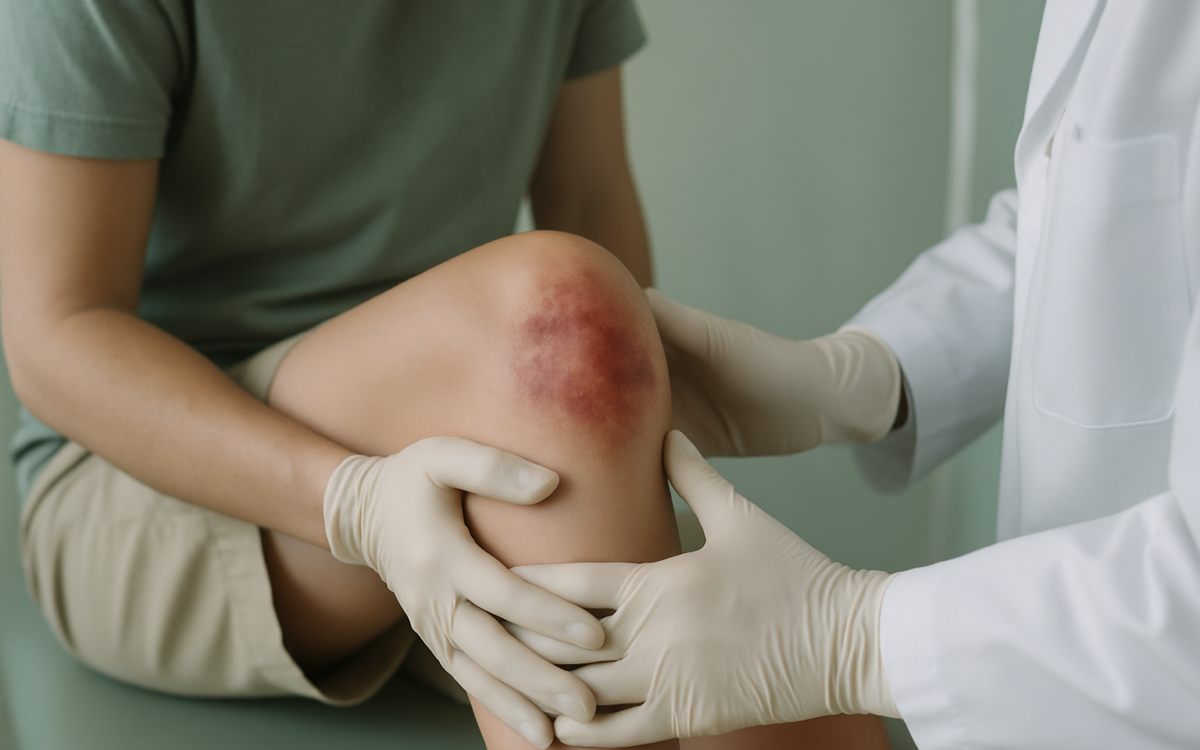
A bone bruise, often considered a minor injury, can cause considerable discomfort and hinder daily activities. Unlike a typical bruise on the surface of the skin, a bone bruise involves damage to the bone’s tissue, which can lead to pain and swelling. Understanding the symptoms, causes, and available care options can help you manage and recover from this injury effectively.
What is a Bone Bruise?
A bone bruise, or bone contusion, occurs when blood vessels inside the bone are damaged, leading to bleeding and swelling in the area. This injury often results from trauma, like a fall, a direct blow, or intense physical activity. While bone bruises may not show the same external signs as a regular bruise, the internal damage can be significant and often causes lasting discomfort.
Common Symptoms of Bone Bruises
Identifying the symptoms of a bone bruise is essential for effective management. Typical signs include:
- Localized Pain: The most common symptom, which may worsen with movement or pressure.
- Swelling: The injured area may appear swollen, indicating inflammation.
- Tenderness: The bone will likely be sensitive to touch.
- Limited Mobility: Difficulty in using the affected joint or bone fully can occur, especially if the bruise is significant.
If you experience these symptoms following an injury, it’s vital to keep track of their severity and duration.
What Causes Bone Bruises?
Bone bruises typically result from physical trauma. Some common causes include:
- Sports Injuries: Athletes are at high risk due to the nature of physical contact and high-impact activities.
- Accidents: Falls or direct strikes from objects can lead to bone bruising.
- Overuse: Repetitive stress on certain bones, such as those in the feet during running, can contribute to bruising.
Less commonly, bone bruises can arise from medical conditions affecting blood flow to the bones or specific diseases that affect bone health.
Diagnosing a Bone Bruise
If you suspect a bone bruise, consulting a healthcare provider is a wise step. Diagnosis generally involves:
- Physical Examination: Your doctor will check for pain, swelling, and tenderness in the affected area.
- Imaging Tests: An MRI is the preferred method for diagnosing a bone bruise since it can reveal the extent of the damage and any associated injuries. X-rays may not always show bone bruises, as they primarily detect fractures.
Early diagnosis can facilitate proper treatment and aid recovery.
Treatment Options for Bone Bruises
Managing a bone bruise often doesn’t require comprehensive medical intervention, but self-care plays a significant role in the recovery process. Here are some effective treatment strategies:
- Rest: Allow the affected area to heal by minimizing movement.
- Icing: Applying ice to the bruised area for 15-20 minutes every few hours can reduce swelling and numb pain.
- Compression: Using a compression bandage may help curtail swelling and provide support.
- Elevation: Keeping the injured area elevated can also help decrease swelling.
- Pain Relief: Over-the-counter pain medications like ibuprofen or acetaminophen can help manage discomfort. Be sure to follow dosage instructions.
Typically, most bone bruises can heal within a few weeks to several months, depending on the severity of the injury.
Preventing Future Bone Bruises
While you cannot completely eliminate the risk of bone bruises, you can take steps to reduce the likelihood of injuries:
- Wear Protective Gear: If you participate in contact sports, use proper padding and protective equipment to shield your bones from impact.
- Build Muscle Strength: Strengthening exercises targeted at the muscles surrounding your bones can help offer additional support during physical activities.
- Focus on Flexibility: Stretching regularly can enhance your range of motion, which may help prevent accidents.
Incorporating these practices into your routine could significantly reduce your risk of future bone bruises.
When to See a Doctor
While many bone bruises can be managed at home, certain situations warrant professional medical advice. Consider seeking medical attention if you experience:
- Severe or worsening pain that is not alleviated by over-the-counter medications.
- Swelling that does not improve after several days.
- Inability to bear weight on the affected area or joint.
- Signs of infection, such as fever or redness surrounding the injury.
It’s always best to err on the side of caution and consult your healthcare provider if you have any concerns.
In summary, understanding bone bruises—symptoms, causes, and potential treatment options—can help you navigate this common injury with confidence. Taking care of your bone health is essential, and being aware of how to respond to injuries will support a speedy recovery.
