
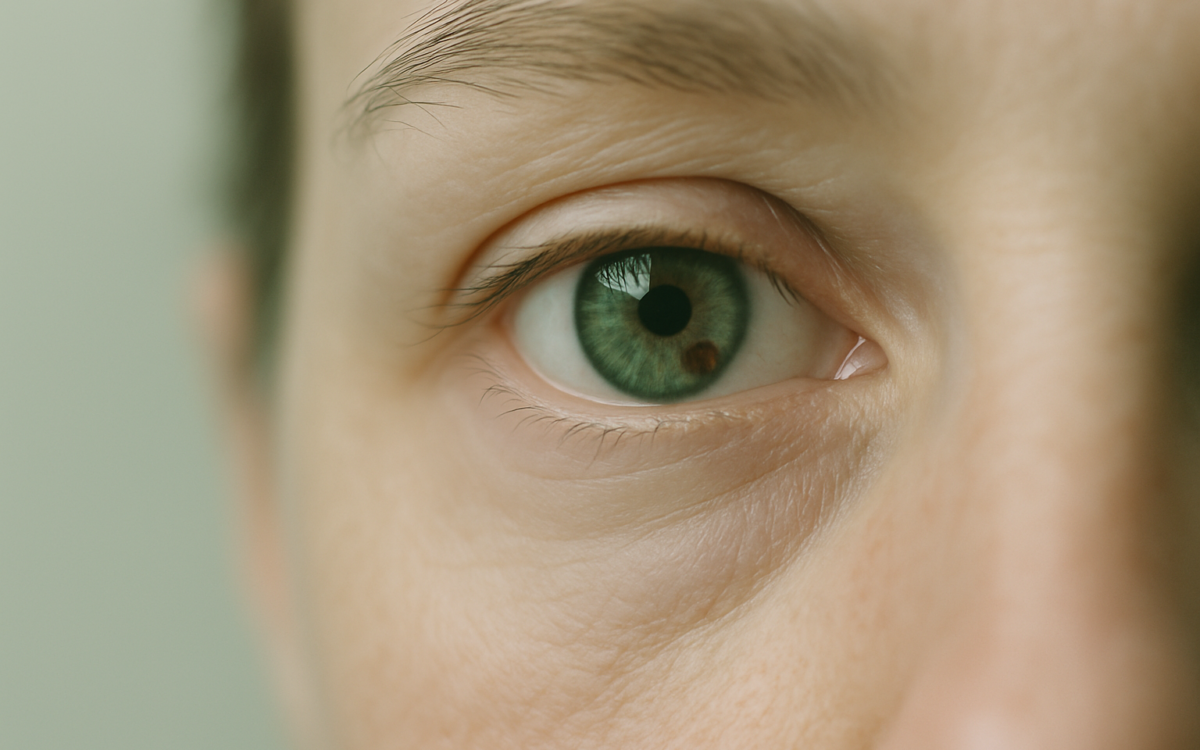
Many people may notice changes in their bodies over time, and our eyes are no exception. Among the various eye changes, a brown spot on the eye can be particularly striking. You might wonder if it’s something serious or just a harmless occurrence. In this article, we’ll explore the causes, implications, and potential treatments for these brown spots to help you better understand this eye condition.
What are brown spots on the eye?
Brown spots on the eye can occur on the surface or within the eye. They may be harmless or could indicate underlying health issues. Understanding these spots can help reassure you or prompt you to seek medical advice.
Common causes of brown spots
There are several potential reasons for brown spots on the eye. Factors like age, exposure to sunlight, or specific medical conditions can all contribute. Here are some common causes:
- Age-related changes: As we age, the cells in our eyes can change, leading to the development of brown spots.
- Pterygium: This benign growth can occur on the eye’s surface, often due to sun exposure or irritation. It can appear as a brownish discoloration.
- Nevi: Often referred to as moles of the eye, these are benign and usually harmless pigmented lesions that can appear brown.
- Sun damage: Prolonged exposure to UV rays can cause changes in the eye’s tissue, leading to brown spots.
- Melanosis: This is a condition where there is an increase in the melanin pigment in the eye, commonly known as ocular melanosis.
Identifying symptoms
The symptoms associated with brown spots can vary based on their cause. Some brown spots may not cause any discomfort, while others might lead to vision changes or irritation. Here are a few symptoms to watch for:
- Changes in vision: Blurriness or distortions could occur.
- Irritation or dryness: You may feel discomfort in the affected area.
- Redness or swelling: In some cases, inflammation may accompany the brown spot.
- Increased sensitivity to light: Bright lights may become bothersome.
Diagnosis: How is it determined?
If you notice a brown spot on your eye, your doctor will likely conduct a comprehensive eye exam. This may include:
- Visual acuity test: This checks how well you can see at various distances.
- Slit-lamp examination: A special microscope is used to get a magnified view of the eye’s structures.
- Topography: In some cases, a mapping of the eye’s surface may be conducted to assess the spot’s features.
If there’s any concern about the nature of the brown spot, further tests, including imaging or biopsy, may be needed.
Treatment options
Treatment for brown spots on the eye varies widely based on the underlying cause. Here are some common approaches:
- No treatment: Many brown spots, like nevi, may not require any intervention other than regular monitoring.
- Medication: If the brown spot is associated with an inflammatory condition, topical treatments may help.
- Laser therapy: In some cases, spots that cause vision difficulties or cosmetic concerns may be treated with laser procedures.
- Regular monitoring: For benign spots, doctors often recommend regular check-ups to observe any changes.
It’s essential to follow your healthcare provider’s recommendations and not attempt to self-diagnose or treat any eye condition. You can read more about eye health topics on reputable sites like the NIH and the Mayo Clinic.
When to see a doctor
While many brown spots are harmless, there are times when you should consult a doctor:
- If you notice sudden changes in your vision.
- If the brown spot grows or changes shape.
- If you experience discomfort, redness, or swelling around the spot.
- If you have a family history of eye diseases.
When in doubt, consulting with an eye care specialist is wise. Regular eye exams are crucial for overall eye health.
Conclusion
Brown spots on the eye can be a source of concern, but understanding their causes and implications can ease anxiety. While some spots are harmless, others may require closer examination and potential treatment. Always consult your healthcare provider for guidance tailored to your circumstances. Keeping your eyes healthy through regular check-ups is the best approach to maintaining good vision and overall well-being.
