
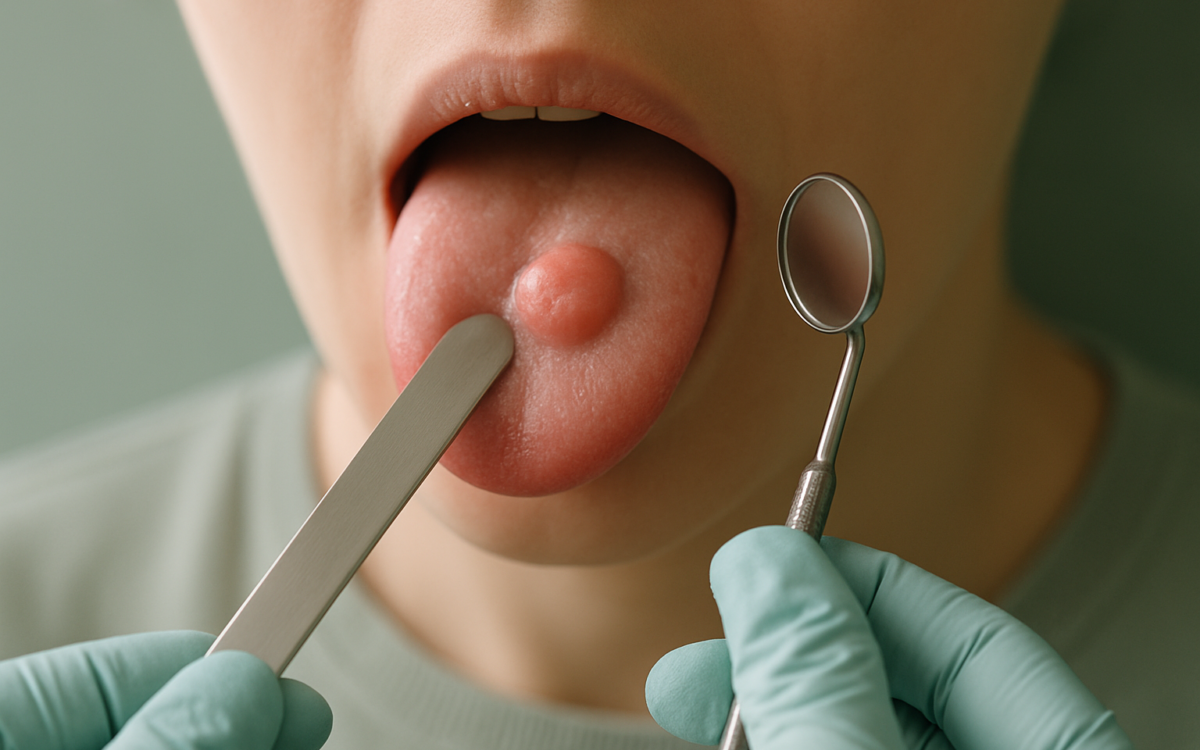
Discovering a bump inside your tongue can be surprising and concerning. While it can trigger understandable worry, most bumps on the tongue are harmless and temporary. In this article, we’ll delve into the various reasons for these bumps, their characteristics, how to manage them, and when it’s important to seek medical advice.
Common Causes of Bumps on the Tongue
Bumps on the tongue can arise from a multitude of causes. The most common reasons include:
- Canker Sores: These small, painful ulcers can form on the tongue and are often triggered by stress, certain food allergies, or injury.
- Oral Thrush: A fungal infection caused by an overgrowth of Candida yeast, oral thrush can lead to white patches and bumps on the tongue.
- Geographic Tongue: This condition features irregular, smooth patches on the tongue that can change location over time. It is generally harmless.
- Allergic Reactions: Food allergies or reactions to medications may cause bumps or swelling on the tongue.
- Tongue Injuries: Accidental bites, burns from hot foods, or irritation from dental appliances can lead to localized bumps or swelling.
Identifying the Bump: Symptoms and Characteristics
Understanding the characteristics of tongue bumps can be helpful in determining their cause. Here are various symptoms to watch for:
- Size and Shape: Some bumps may be small and round, while others can appear larger and have irregular shapes.
- Color: Bumps can range from white, red, or to even clear, depending on the cause. White bumps may signal a condition like oral thrush.
- Accompanying Symptoms: If you experience pain, swelling, or difficulty swallowing, these can indicate a more serious issue.
How Are Tongue Bumps Diagnosed?
If you notice a persistent bump on your tongue, your healthcare provider may examine your mouth and ask about your medical history and symptoms. Diagnostic methods may include:
- Physical Examination: A visual inspection of the tongue and oral cavity.
- Medical History Review: A discussion about dietary habits and any medications taken.
- Biopsy: In rare cases, a small sample might be taken for laboratory analysis to rule out serious conditions.
Treatment Options for Bumps on the Tongue
Treatment will often depend on the diagnosis. Here are some common approaches:
- Topical Treatments: Over-the-counter products for canker sores can help alleviate pain and discomfort.
- Antifungal Medications: For oral thrush, antifungal medications can clear the infection.
- Allergy Management: If bumps are linked to allergic reactions, avoiding triggers is crucial.
In most cases, bumps caused by minor injuries or infections resolve on their own within a few days to weeks. Good oral hygiene can also help speed recovery.
When to Consider Medical Attention
While many bumps on the tongue are not serious, there are situations that warrant a consultation with a healthcare provider. Consider seeking care if you experience:
- Persistent bumps that do not heal within two weeks
- Severe pain or difficulty swallowing
- Fever or other signs of systemic infection
- Changes in taste or ongoing oral discomfort
Your healthcare provider can provide a thorough examination and determine the best course of action.
Conclusion
Finding a bump inside your tongue can be disconcerting, but often, these bumps are harmless and temporary. By being aware of the potential causes and symptoms, you can take the necessary steps to manage your oral health. Keep an eye on any changes and consult a healthcare professional if you have concerns or if symptoms persist. Understanding your body is the first step toward maintaining good health.
For more information on tongue and oral health, visit reputable sources like the Mayo Clinic or the National Institutes of Health.
