
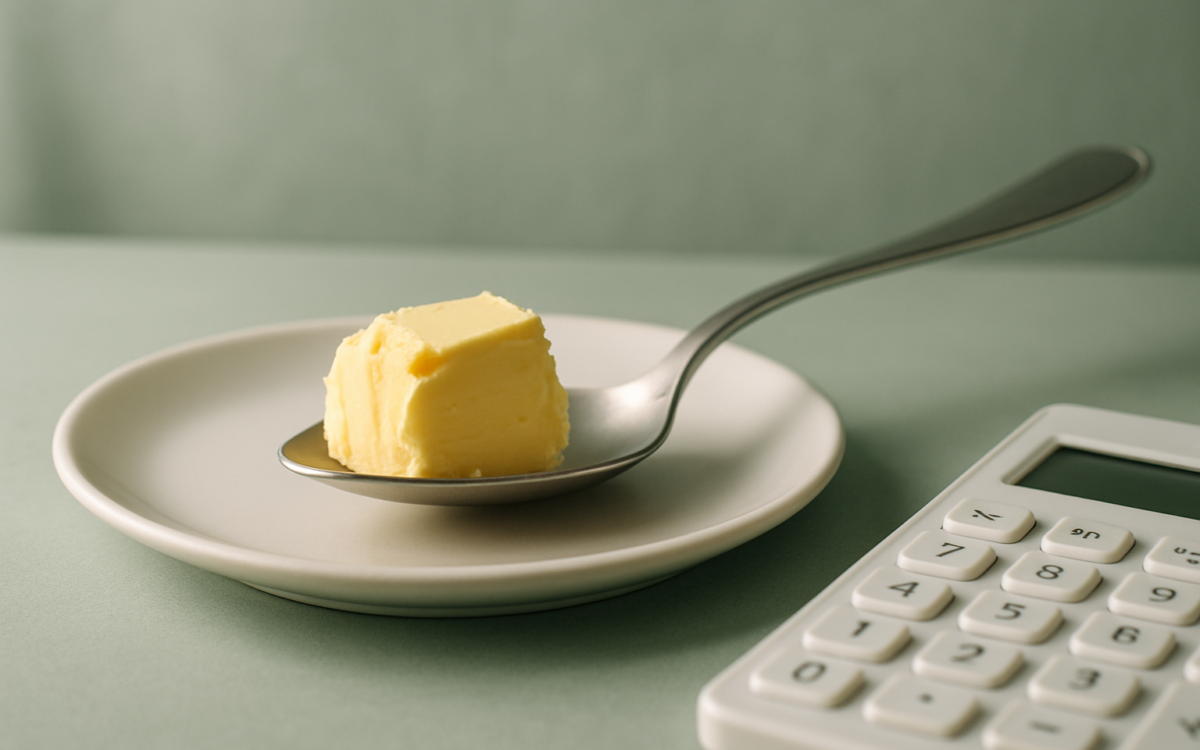
Butter has been a staple in kitchens for centuries, offering rich flavor and a delightful texture to countless dishes. However, with rising health consciousness, many people are reconsidering their cooking fats, leading to frequent questions about butter’s nutritional profile, particularly its calorie content. So, how many calories are in a tablespoon of butter? Let’s dive into this topic.
The Basics of Butter
Butter is a dairy product made by churning cream or milk. It contains a rich blend of fats, and while it’s delicious, understanding its calorie content and effects on health is important.
Caloric Content of Butter
One tablespoon of unsalted butter contains approximately 102 calories. This number can vary slightly based on the specific brand or type of butter, whether salted or unsalted. Butter is almost entirely composed of fat, and the calorie count comes from its high fat content—about 12 grams per tablespoon.
Understanding Fats in Butter
As you know, not all fats are created equal. Butter is primarily made up of saturated fats, which can raise LDL cholesterol levels. However, it also includes some beneficial nutrients such as vitamin A and small amounts of other vitamins. The composition of butter is roughly:
- About 63% saturated fat
- Approximately 26% monounsaturated fat
- About 4% polyunsaturated fat
Research indicates that while high saturated fat consumption has been linked to heart disease, recent studies suggest that the relationship may be more nuanced than once thought. It’s crucial to consider your overall diet and lifestyle when consuming fats like butter. For more information, visit the National Heart, Lung, and Blood Institute.
Health Implications of Butter
Whether butter is a healthy choice can depend on individual dietary needs. A balanced diet allows for some saturated fat from sources like butter, but moderation is key. If you have concerns about cholesterol or heart health, you may want to limit your intake of butter or choose alternatives. The Centers for Disease Control and Prevention suggests keeping saturated fat consumption to less than 10% of total daily calories.
Alternatives to Butter
If you’re looking for healthier options in your cooking, there are several alternatives to butter that still provide flavor and richness without the same calorie count. Some popular substitutes include:
- Olive oil: Loaded with monounsaturated fats, olive oil is a heart-healthy fat that can replace butter in many recipes.
- Avocado: Creamy and nutrient-rich, pureed avocado can add a unique flavor to dishes while cutting calories.
- Coconut oil: This alternative has a similar texture to butter and adds a distinct flavor, though it still contains saturated fats.
Most of these alternatives come with various health benefits, so incorporating them into your diet might improve your overall nutrient intake.
Real-world Applications: Baking and Cooking
While butter is a traditional ingredient in many recipes, understanding its calorie content can help you manage your portion sizes effectively. For example, if you’re baking cookies, consider using less butter to reduce overall calories or substituting with one of the alternatives listed above. Moreover, when cooking, reducing the amount of butter and adding spices or herbs can enhance flavor without dramatically increasing calories.
When to See a Doctor
If you have specific dietary concerns or conditions related to heart health or cholesterol, it might be wise to consult with a healthcare provider. They can help you create a balanced eating plan that suits your needs and addresses any health issues. Regular check-ups can also clarify how different dietary choices, including the consumption of butter, may affect your health.
In conclusion, understanding the calorie content in a tablespoon of butter can empower you to make informed choices in the kitchen. While butter offers flavor and texture, being mindful of its caloric impact and health implications can guide your dietary decisions. Explore healthier options and enjoy cooking with creativity!
