
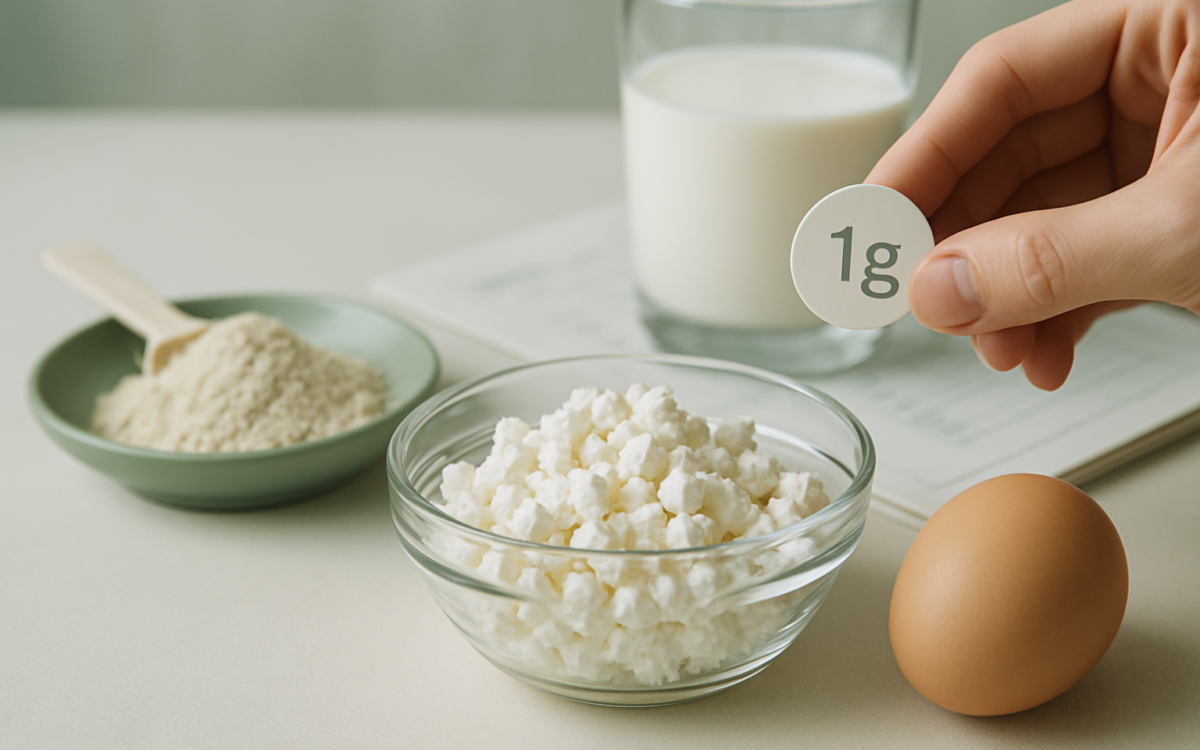
When it comes to understanding nutrition, one of the most common questions people ask is about protein and its calorie content. Protein is essential for our bodies, playing a vital role in building and repairing tissues, making enzymes and hormones, and supporting overall health. But how many calories are in 1 gram of protein? This article aims to clarify that question and offer insights into the role of protein in your diet.
What is Protein?
Proteins are large molecules made up of smaller units called amino acids. They are one of the three macronutrients, alongside carbohydrates and fats, that provide energy to our bodies. There are 20 different amino acids, and our bodies can produce some of them, while others must be obtained through diet, known as essential amino acids.
Calories in Protein
Now, let’s get to the core of the question: how many calories are in 1 gram of protein? The answer is straightforward—there are four calories in each gram of protein. This means that if you consume 10 grams of protein, you are consuming 40 calories solely from that protein.
How Protein Fits into Your Daily Caloric Intake
Understanding the calorie content of protein helps you manage your total calorie intake effectively. For example, if you’re following a diet plan that allows 2,000 calories per day and you aim to obtain 30% of your calories from protein, you should consume 600 calories from protein sources. Since there are 4 calories in each gram of protein, this would mean eating 150 grams of protein per day.
- To maintain muscle mass, especially if you engage in regular physical activity, adequate protein intake is crucial.
- Proteins from various sources carry different amino acid profiles, affecting their overall nutritional value.
- When considering a diet that emphasizes protein, think about incorporating various protein-rich foods, such as beans, fish, dairy, and meat.
Protein Sources: Which Foods Provide the Most Protein?
When looking to increase your protein intake, it’s essential to know which foods offer the highest protein content. Here are some common protein sources:
- Meat and Poultry: Chicken breast, turkey, and lean cuts of beef are excellent protein sources.
- Fish: Tuna, salmon, and other fish are loaded with protein and offer healthy omega-3 fatty acids.
- Dairy Products: Greek yogurt and cottage cheese are high in protein and also provide calcium.
- Legumes: Beans, lentils, and chickpeas are great plant-based protein options.
- Nuts and Seeds: Almonds, peanuts, and sunflower seeds provide protein along with healthy fats.
For those who may be considering international treatments for dietary issues or seeking nutrition advice while traveling, options like international patient services can be very helpful. Healthcare providers in some countries may offer specialized programs tailored around high-protein diets.
The Role of Protein in Your Health
Incorporating adequate protein into your diet is essential for numerous reasons:
- Muscle Repair and Growth: Protein is key for repairing and building muscle tissue, especially after exercise.
- Weight Management: Higher protein diets can promote satiety and help with weight loss or maintenance.
- Healthy Immune Function: Antibodies are proteins, and they play a vital role in your immune system.
However, balance is crucial. Consuming excessive protein may lead to health issues, such as kidney damage for those with pre-existing conditions. Always consult a healthcare provider when making significant dietary changes.
Protein and Different Diet Plans
Many popular diets emphasize protein intake due to its benefits. These include:
- Keto Diet: Focuses on high-fat and moderate protein consumption, which helps your body enter ketosis.
- Paleo Diet: Encourages the consumption of lean meats, fish, fruits, and vegetables, while minimizing processed foods.
- Vegetarian/Vegan Diets: Plant-based diets can also be high in protein if combined correctly using various sources.
When to See a Doctor
While dietary changes can often be managed independently, there are times when you might want to consult a healthcare professional. If you experience difficulty in meeting your nutritional needs or have specific health concerns, such as kidney issues or metabolic disorders, it’s wise to seek advice from a doctor or registered dietitian.
Conclusion
Understanding the relationship between protein and calories is essential for maintaining a balanced diet. With 4 calories per gram of protein, it’s crucial to incorporate an appropriate amount of this macronutrient into your meals. Remember, achieving a healthy diet is about balance, variety, and moderation. Always consult a healthcare professional for personalized dietary advice.
