
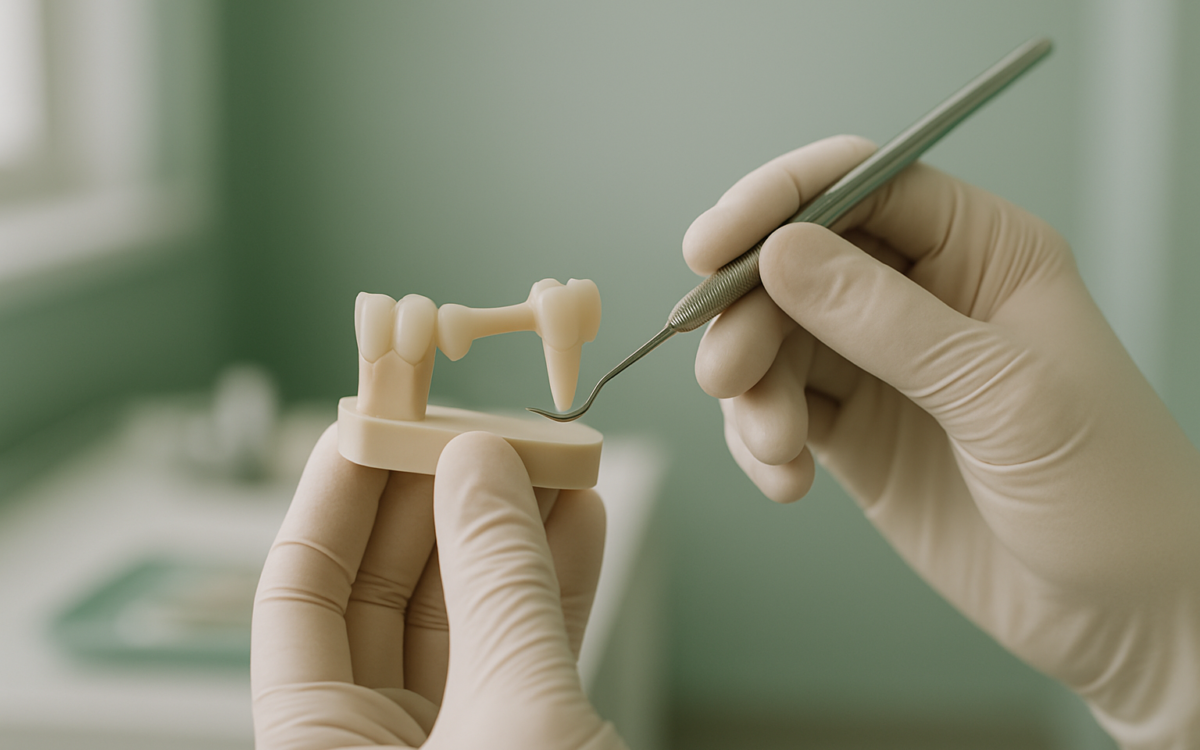
When it comes to dental restorations, patients often face a variety of options tailored to their specific needs. One popular choice is the cantilever bridge, a type of dental bridge that can effectively restore a person’s smile and functionality. In this article, we’ll explore what cantilever bridges are, when to consider one, their benefits and drawbacks, and how to care for them.
What is a Cantilever Dental Bridge?
A cantilever bridge is a dental restoration used to replace one or more missing teeth. Unlike traditional bridges that are anchored on both sides with dental crowns, cantilever bridges are supported on only one side. This means they are typically used in situations where there is a natural tooth on one end of the gap but none on the other.
In constructing a cantilever bridge, dentists attach a false tooth (pontic) to one or more crowns that are placed on the supporting tooth. This design is particularly useful for replacing front teeth, where aesthetics are vital.
When is a Cantilever Bridge Recommended?
Cantilever bridges may be recommended in several scenarios:
- Missing Teeth: If you have lost a tooth and have a healthy tooth adjacent to the gap, a cantilever bridge can provide a functional and aesthetic solution.
- Limited Space: In cases where there isn’t enough space for a traditional bridge, cantilever designs can effectively utilize the available area.
- Front Tooth Replacement: Since they can be crafted to look aesthetically pleasing, cantilever bridges are often employed in the front of the mouth.
Benefits of Cantilever Bridges
Cantilever bridges come with several benefits:
- Quick Recovery: The procedure for obtaining a cantilever bridge is relatively straightforward, allowing patients to recover quickly.
- Aesthetic Appeal: Cantilever bridges can be designed to match the natural look of your teeth, which is especially important for front teeth replacements.
- Less Invasive: Since the procedure requires less alteration of natural teeth compared to some other options, it can be less invasive.
- Functional Restoration: They help restore normal biting and chewing functions, improving overall oral health.
Drawbacks of Cantilever Bridges
While cantilever bridges offer distinct advantages, it’s important to consider potential drawbacks as well:
- Stress on Supporting Tooth: Since cantilever bridges rely on only one tooth for support, there can be additional stress on that tooth, which may lead to complications in the long term.
- Limited Durability: Cantilever bridges might be less durable than traditional bridges, particularly if the supporting tooth is not strong enough.
- Potential Mobility: In some cases, the pontic might be less stable compared to a traditional bridge.
How Are Cantilever Bridges Installed?
The process of getting a cantilever bridge typically involves several steps:
- Consultation: Your dentist will examine your mouth, take X-rays if necessary, and discuss your options.
- Preparation: The adjacent tooth is prepared for the crown by reshaping it, which may require local anesthesia.
- Impression: An impression of your teeth will be taken to create a custom bridge that matches your bite and aesthetics.
- Temporary Bridge: A temporary bridge may be placed while your permanent bridge is being manufactured.
- Installation: Once the cantilever bridge is ready, your dentist will fit it, check for comfort and alignment, and then bond it to the supporting tooth.
Caring for Your Cantilever Bridge
Maintaining good oral hygiene is crucial for the longevity of your cantilever bridge:
- Brush Regularly: Brush your teeth twice a day using a fluoride toothpaste, making sure to clean around the bridged area carefully.
- Floss Daily: Use dental floss or interdental brushes to clean between the teeth and the bridge.
- Avoid Hard Foods: Be cautious with hard foods that could put stress on your bridge.
- Regular Dental Visits: Schedule regular check-ups with your dentist to ensure that your bridge is in good condition and to address any potential issues.
When to See a Doctor
If you experience any of the following symptoms, it may be time to consult your dentist:
- Pain or discomfort around the bridge.
- Movement of the bridge or the false tooth.
- Visible chips or cracks in the bridge.
- Gum irritation or swelling near the anchored tooth.
Conclusion
Cantilever bridges provide an effective solution for replacing missing teeth, especially in aesthetically sensitive areas. By understanding their benefits, potential drawbacks, and the care required, you can make an informed decision. As always, whether you are considering this option or need assistance with your oral health, consult your dentist for personalized advice and recommendations. For more information, visit the Mayo Clinic or the National Institutes of Health.
