
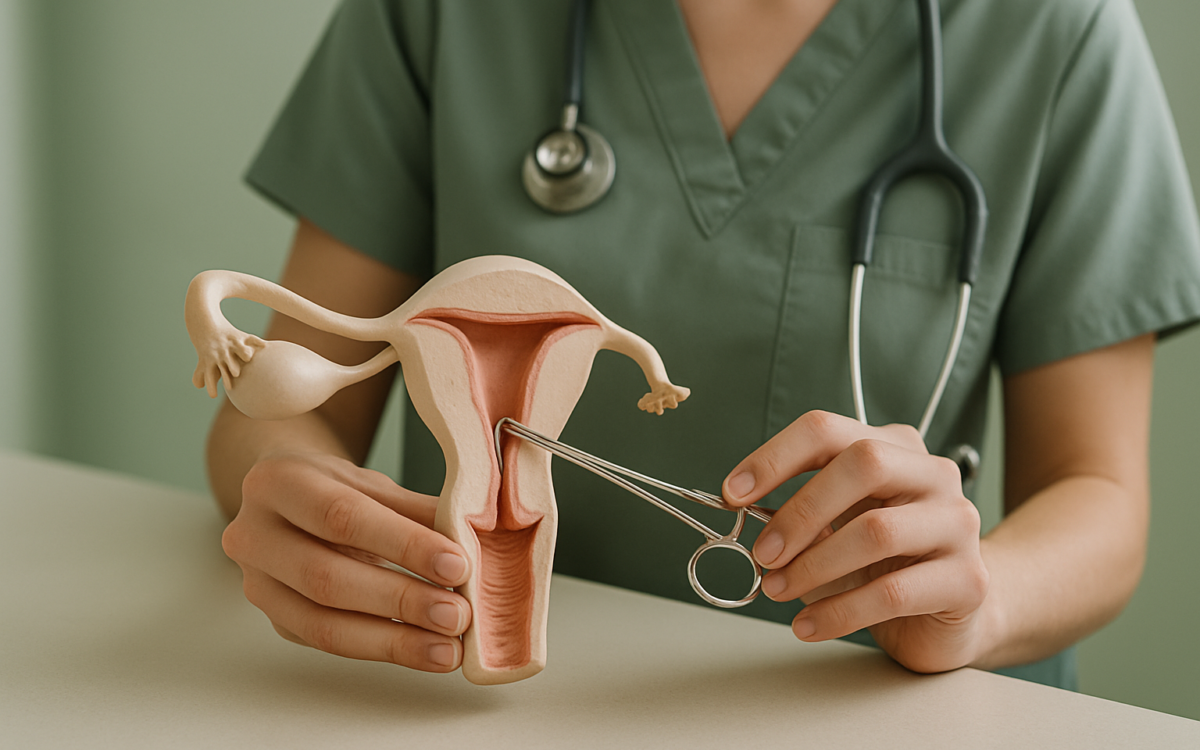
Cervical dilation is a crucial part of the labor process, often one of the first signs that delivery is approaching. Understanding what this means and how it occurs can help expectant mothers and their partners prepare for childbirth. Throughout pregnancy, many people are aware of the milestones they will reach, but cervical dilation can feel particularly mysterious. Let’s delve deeper into this important topic.
What is cervical dilation?
Cervical dilation refers to the gradual opening of the cervix, which is the lower part of the uterus, during labor. The cervix must widen from its usual closed state to allow the baby to pass through the birth canal. The process is measured in centimeters, ranging from 0 cm (completely closed) to 10 cm (fully dilated). This dilation is a natural and necessary part of vaginal childbirth.
Why does cervical dilation happen?
During the last weeks of pregnancy, hormonal changes trigger a complex series of physiological events. One of the leading hormones involved is oxytocin, which signals the uterus to contract. The contractions help push the baby down towards the cervix, causing it to stretch and eventually dilate.
In some cases, healthcare providers may induce labor, speeding up this natural process through medical interventions. Dilation often occurs alongside other signs of labor such as the breaking of the water (amniotic sac) and the onset of contractions, leading up to the eventual birth of the baby.
Stages of cervical dilation during labor
Cervical dilation is typically divided into four stages:
- Latent phase: This is the early stage of labor where the cervix starts to soften and may begin to dilate from 0 to about 3 cm. Contractions may be irregular and mild.
- Active phase: The cervix dilates from about 4 to 7 cm. Contractions become more frequent and stronger, indicating a progression toward delivery.
- Transition phase: This is the final phase of uterine contractions before full dilation. The cervix dilates from 8 to 10 cm, often accompanied by intense contractions.
- Delivery: Once the cervix is fully dilated (10 cm), the baby can begin to move down the birth canal, and mothers can start to push during contractions.
How long does cervical dilation take?
The duration of cervical dilation varies for each woman and can depend on several factors, such as whether it is a first or subsequent pregnancy. Generally, first-time mothers may experience longer labor than those who have given birth before. On average, the active phase of labor can take anywhere from a few hours to over 12 hours. Understanding this variability can help set realistic expectations for mothers-to-be as they prepare for the birthing process.
A glimpse into international approaches to cervical dilation
While cervical dilation is a universal aspect of childbirth, different cultures and countries may have varying practices related to labor and delivery. In some places, embracing natural childbirth is common, and midwives may assist in creating a comforting environment for dilation and birth. Other regions may have more medically driven approaches, incorporating advanced technology and monitoring. Resources like acibademinternational.com can provide insights into global best practices and treatment options available for expectant mothers.
Monitoring cervical dilation
During labor, healthcare providers frequently monitor cervical dilation through vaginal examinations. This enables them to gauge progress and make decisions to ensure the health and safety of both mother and baby. It’s important to communicate openly with your healthcare provider about any concerns or questions regarding the dilation process. Partners are also encouraged to be involved, as support can significantly impact the labor experience.
When to see a doctor
If you suspect you are in labor, it’s essential to reach out to your healthcare provider. Similarly, if you experience any bleeding, severe pain, or other unusual symptoms during pregnancy, consult a doctor immediately. It’s vital for both your health and the baby’s health to have guidance during this crucial time.
Understanding cervical dilation is an essential part of preparing for childbirth. By being informed about the processes, stages, and potential variations, expectant mothers can approach labor with greater confidence. While every woman’s experience is unique, having knowledge of cervical dilation can help demystify childbirth and promote a healthier birthing experience.
