
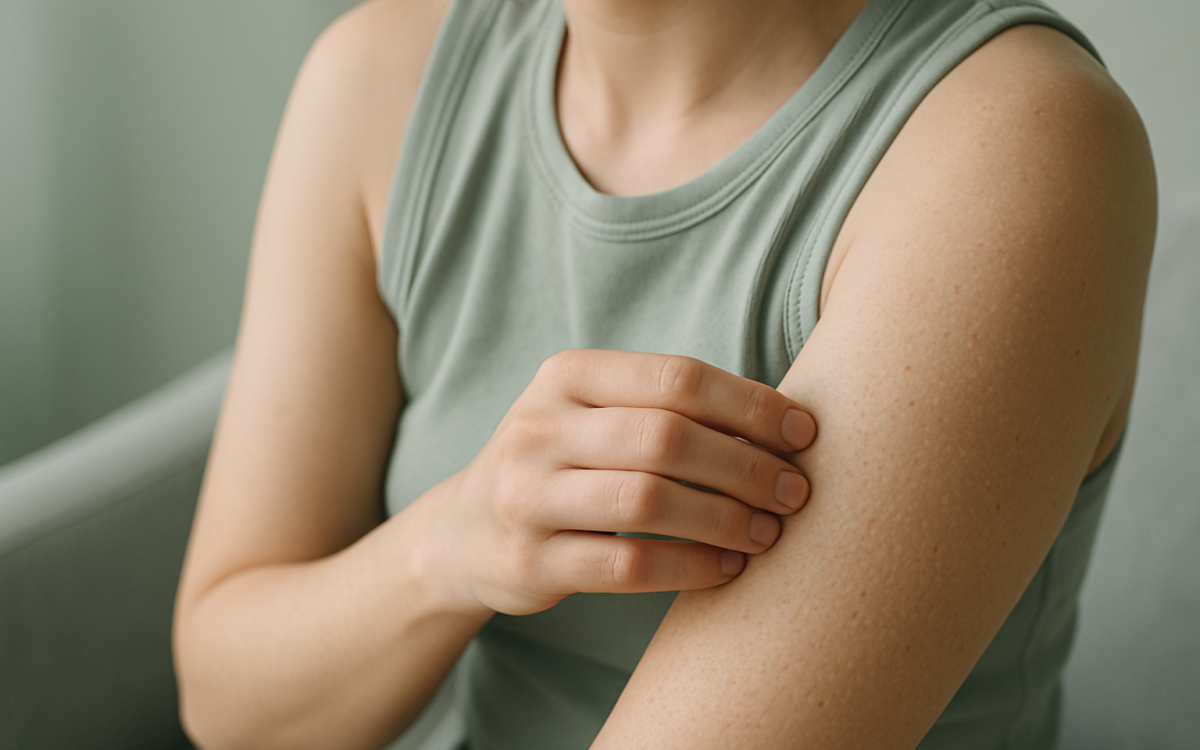
If you’ve ever noticed tiny, rough bumps on your arms, thighs, or cheeks, you might be experiencing a common skin condition known as chicken skin or keratosis pilaris. This condition affects many people, often appearing during childhood or adolescence. While chicken skin is harmless, it can sometimes cause concern due to its texture and appearance. In this article, we’ll dive into the causes, care tips, and treatment options for managing chicken skin effectively.
What is chicken skin?
Chicken skin is the informal name for a skin condition called keratosis pilaris. It’s caused by a buildup of keratin, a protein that protects skin from harmful substances and infection. When keratin clogs hair follicles, tiny bumps form. These bumps can be light or dark, depending on your skin tone, and they often appear on the outer sides of the arms, thighs, face, and buttocks.
Who is affected by chicken skin?
Keratosis pilaris is quite common, affecting up to 50-80% of adolescents and adults in varying degrees. It often begins in childhood or adolescence and can persist into adulthood. It can also appear more prominently in certain populations, particularly those with fair skin or eczema. While chicken skin is not harmful and does not often cause physical discomfort, its presence can lead to self-consciousness in some individuals.
Common causes of chicken skin
Various factors contribute to the development of chicken skin, including:
- Genetics: Chicken skin often runs in families. If one or both parents have it, there’s a higher possibility of children having it too.
- Skin type: Individuals with dry or sensitive skin might be more prone to developing keratosis pilaris.
- Underlying skin conditions: Those with eczema or other skin issues may notice more intense symptoms.
- Hormonal changes: Fluctuations during puberty or pregnancy can worsen the appearance of chicken skin.
Managing chicken skin at home
While chicken skin itself is not a serious medical issue, many people seek ways to improve its appearance. Here are some home-care tips that may help:
- Moisturizing: Use a rich, hydrating lotion to keep your skin moisturized. Look for products with ingredients like urea, lactic acid, or glycerin, which can help smooth and soften rough patches.
- Exfoliating: Regular exfoliation can help remove the buildup of keratin. Gentle scrubs or chemical exfoliants with alpha-hydroxy acids (AHAs) like glycolic acid can be effective.
- Warm showers: Taking warm, not hot, showers can help prevent skin from drying out. Hot water can strip away natural oils, exacerbating the rough texture.
- Avoid irritants: Be cautious with skincare products that contain alcohol or heavy fragrances, as these may irritate the skin further.
When to consider professional treatment
For some, home remedies may not be sufficient to achieve the desired results. If chicken skin persists or causes distress, it may be time to consult a dermatologist. They might suggest:
- Prescription creams: Treatments containing retinoids or stronger exfoliating agents may be recommended to clear blocked follicles.
- Laser therapy: For more severe cases, laser treatments can reduce redness and improve the overall texture of the skin.
- Microdermabrasion: This professional exfoliation technique can help remove dead skin cells and improve the skin’s texture.
If you’re considering international treatment options, many facilities offer international patient services that specialize in dermatological care.
Living with chicken skin
Understanding chicken skin can help reduce anxiety about its appearance. While keratosis pilaris is a lifelong condition for many, it’s essential to remember that it’s completely harmless. Being consistent with moisturizing and exfoliating can help manage its appearance. Additionally, embracing the uniqueness of your skin can foster a more positive body image.
When to see a doctor
If you notice any sudden changes in your skin or if the bumps become painful, itchy, or inflamed, it’s crucial to consult a healthcare professional. A doctor can provide personalized advice or treatment options that may not be accessible through over-the-counter products. Always seek out medical guidance to ensure your skin health is in expert hands.
In conclusion, chicken skin is a prevalent condition that can initially cause concern but is generally harmless. By understanding its causes and implementing proper skincare techniques, those affected can manage its appearance effectively. Always remember to consult with healthcare providers for tailored advice and support.
