
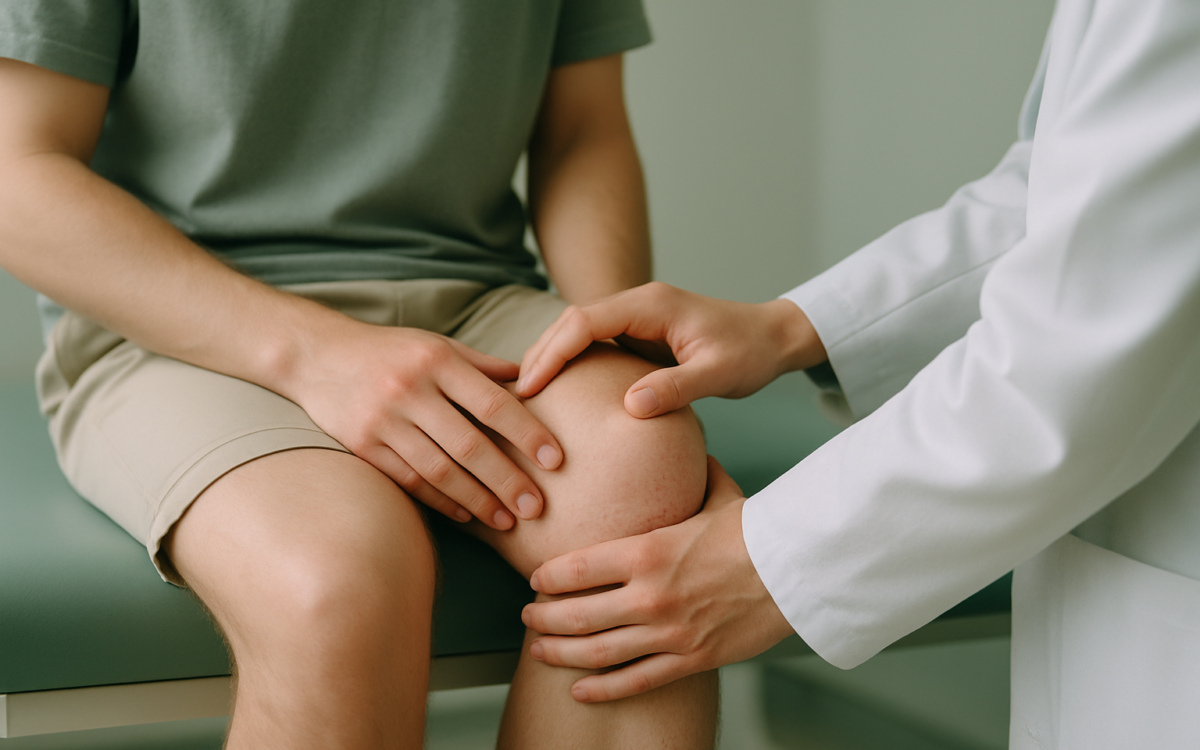
Knee pain can be a frustrating experience, especially when it interrupts your daily activities or favorite sports. One common cause of knee discomfort is a condition known as chondromalacia patella. This term might sound complex, but it simply refers to the damage or softening of the cartilage on the underside of the kneecap (patella). Understanding this condition can help you find appropriate strategies for managing your symptoms and maintaining your mobility.
What is chondromalacia patella?
Chondromalacia patella, often referred to as runner’s knee, occurs when the cartilage on the back of the kneecap becomes worn down. This cartilage plays a crucial role, cushioning the knee and allowing for smooth movement. When it becomes damaged or softened, it can lead to pain, swelling, and difficulties with movement.
Who is at risk for developing chondromalacia patella?
Several factors can increase the likelihood of developing chondromalacia patella. While it can occur in individuals of any age, it is most commonly seen in young athletes or active individuals who engage in repetitive knee motion. Here are some risk factors:
- Age: As people get older, the cartilage naturally wears down.
- Physical activity: High-impact activities, such as running and jumping, can increase stress on the knee.
- Biomechanical issues: Problems such as flat feet, misaligned kneecaps, or tight muscles can contribute to abnormal knee movement.
- Previous knee injuries: A history of knee trauma, such as fractures or ligament tears, can predispose someone to chondromalacia.
What are the symptoms of chondromalacia patella?
The symptoms of chondromalacia patella can vary, but individuals often report the following:
- Knee pain: Typically felt around the kneecap, it may worsen with activities such as squatting, climbing stairs, or sitting for long periods.
- Swelling: Inflammation may occur, leading to mild swelling around the knee.
- Grinding sensation: Some people experience a popping or grinding feeling when they move their knee.
- Stiffness: The knee might feel stiff, especially after prolonged inactivity.
How is chondromalacia patella diagnosed?
Diagnosing chondromalacia patella typically involves a thorough evaluation by a healthcare provider. The process may include:
- Medical history: The doctor will ask about your symptoms, physical activity levels, and any previous injuries.
- Physical examination: An evaluation of knee movement and pain response will help the doctor assess your condition.
- Imaging tests: In some cases, X-rays or MRI scans may be ordered to visualize the cartilage and other knee structures.
To learn more about knee conditions and diagnostic procedures, you can visit trusted resources such as the National Institutes of Health.
What treatment options are available for chondromalacia patella?
Once diagnosed, several treatment options may help alleviate pain and promote healing. These approaches can be divided into non-surgical and surgical methods:
Non-surgical treatments
- Rest: Taking a break from activities that aggravate the knee can help reduce symptoms.
- Ice application: Applying ice can help reduce swelling and pain.
- Physical therapy: A physical therapist can create a personalized exercise plan that focuses on strengthening the muscles around the knee and improving flexibility.
- Medications: Nonsteroidal anti-inflammatory drugs (NSAIDs) may be recommended to relieve pain and inflammation.
Surgical treatments
For some individuals whose symptoms do not improve with non-surgical methods, surgical options might be considered. These can include:
- Arthroscopy: A minimally invasive procedure that allows the surgeon to look inside the knee joint and repair the damaged cartilage.
- Cartilage repair procedures: Options such as microfracture or osteochondral grafting can help restore damaged cartilage.
Always consult with a healthcare professional to determine which option is best for your specific case.
Rehabilitation and prevention strategies
Recovering from chondromalacia patella often requires a commitment to rehabilitation and preventive strategies. Incorporating the following practices can be beneficial:
- Strength training: Focusing on strengthening the quadriceps and hamstring muscles can provide better support to the knee.
- Flexibility exercises: Stretching can help maintain joint flexibility, preventing stiffness.
- Proper footwear: Wearing supportive shoes can improve alignment and reduce stress on the knee.
- Gradual activity progression: Slowly increasing the intensity and duration of physical activities can help prevent overuse injuries.
For detailed information on rehabilitation exercises, exploring resources from organizations like the Cleveland Clinic can be very helpful.
When to see a doctor
If you experience persistent knee pain, swelling, or difficulty moving your knee, it’s important to consult a doctor. Early diagnosis and intervention can significantly improve outcomes and help prevent further cartilage damage.
Chondromalacia patella doesn’t have to sideline you from your favorite activities. By understanding this condition and incorporating proper care strategies, you can work towards reducing pain and enhancing your knee function.
