
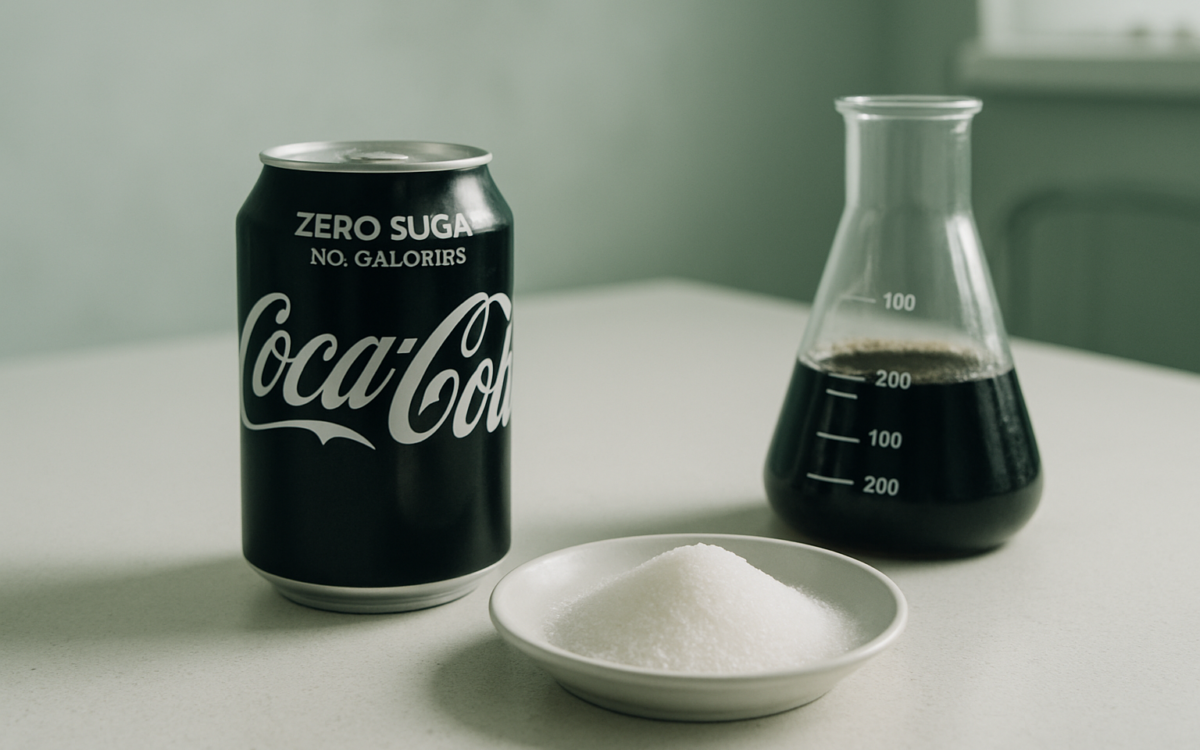
Coke Zero, one of the most popular sugar-free sodas, has attracted much attention for its unique flavor and calorie-free profile. For those looking for a soda that doesn’t pack on the calories, Coke Zero is a common choice. But what exactly is in this beverage? Let’s take a closer look at the ingredients of Coke Zero and their potential health implications.
The Ingredients Breakdown
The ingredient list of Coke Zero can seem long and confusing, especially for those focusing on their health. Here’s a rundown of the primary ingredients found in Coke Zero:
- Carbonated Water: This is the main ingredient, providing the fizzy texture.
- Caramel Color: This gives Coke Zero its dark color, made from heated sugar and often used in many sodas.
- Phosphoric Acid: This ingredient adds acidity and enhances flavor, though excessive intake can potentially affect your bone health over time.
- Natural Flavors: The exact composition is proprietary, but these are derived from natural sources and add to the overall taste.
- Potassium Benzoate: A preservative that helps maintain freshness.
- Aspartame and Acesulfame Potassium: These artificial sweeteners provide sweetness without calories, a big draw for those reducing sugar intake.
- Caffeine: A common stimulant found in many sodas, contributing to the beverage’s energizing qualities.
Sweeteners: The Controversial Ingredients
One of the most discussed aspects of Coke Zero is the use of artificial sweeteners, particularly aspartame and acesulfame potassium. These sweeteners are much sweeter than sugar, meaning only a small amount is needed to achieve the desired taste.
Research on artificial sweeteners has produced mixed results. Some studies suggest they may aid in weight loss when substituting sugary beverages, while others raise concerns about potential health risks, including effects on metabolism and gut health. The National Institutes of Health (NIH) states that while many health organizations assert artificial sweeteners are safe, ongoing research is essential to fully understand their long-term effects.
Health Aspects of Drinking Coke Zero
Many people choose Coke Zero to avoid the calories and negative effects of sugar. However, this does not mean it is entirely a healthy option. Here are some points to consider:
- No Sugar, No Calories: Coke Zero is calorie-free, making it a popular choice for those watching their weight.
- Bone Health Concerns: The phosphoric acid in Coke Zero has been linked to lower bone mineral density in some studies, suggesting moderation is key.
- Metabolic Effects: Some studies indicate that artificial sweeteners may alter how your body processes sugars, which could have implications for metabolic health.
- Dental Health: Like other sodas, Coke Zero is acidic, which can contribute to enamel erosion over time.
Coke Zero can fit into a balanced diet, especially compared to sugar-laden sodas. However, being mindful of the total consumption of beverages containing artificial sweeteners is wise.
International Perspective on Soda Consumption
In various cultures, soda consumption varies widely, and so do perspectives on health. Countries with stricter regulations on food additives may have different versions of Coke Zero or alternatives. For individuals considering international treatment options for health issues related to sugary or carbonated beverages, resources like acibademinternational.com offer insights into global health perspectives.
Alternatives to Coke Zero
If you’re considering cutting back on soft drinks entirely, there are several alternatives you might want to explore. Here are a few ideas:
- Flavored Sparkling Water: A fizzy yet more natural alternative with minimal or no calories.
- Homemade Iced Teas: Brewed iced teas can be sweetened lightly with honey or stevia, offering a refreshing option.
- Herbal Infusions: Herbal teas can provide variety and flavor without calories or added sugars.
- Natural Fruit Juices: Opting for 100% fruit juices can satisfy your sweetness craving, but be cautious with portion sizes due to natural sugar content.
Making the switch to healthier beverages doesn’t have to feel limiting. Finding alternatives that suit your taste preferences can aid in making long-term changes.
When to See a Doctor
If you notice adverse effects from consuming Coke Zero or any artificial sweeteners, such as digestive issues or headaches, it may be worth discussing with your healthcare provider. Additionally, if you have concerns about weight management, bone health, or other related health issues, seeking professional guidance is advisable.
In conclusion, understanding the ingredients in Coke Zero can help you make informed choices about your beverage options. While it offers a sugar-free, calorie-free alternative to traditional sodas, its artificial ingredients and potential health impacts should be considered. Drinking soda, like any indulgence, is best enjoyed in moderation.
