
When faced with tooth decay, many people wonder what their options are for restoring their smiles. One popular choice is composite dental fillings. Unlike traditional amalgam fillings, composite materials can blend in with your natural tooth color, making them a preferred option for many. In this article, we’ll explore the ins and outs of composite fillings, including their benefits, procedure, and maintenance.
What are composite dental fillings?
Composite dental fillings are made from a blend of plastic and glass materials. These fillings are designed to match the color of your natural teeth, allowing for a seamless restoration that looks lovely and unobtrusive. They are often used to treat cavities caused by tooth decay or to repair chipped or broken teeth.
The benefits of composite fillings
Composite fillings offer several advantages over traditional amalgam fillings, including:
- Aesthetic appeal: The most recognized benefit is their ability to blend in with the color of your natural teeth. This makes them especially popular for front teeth or visible areas.
- Bonding to tooth structure: Composite materials bond well to the existing tooth structure, providing additional strength and support.
- Less invasive: In many cases, less tooth structure needs to be removed compared to amalgam fillings, preserving more of your natural tooth.
- Versatility: Composite fillings can be used for a variety of dental repairs, including cavities and small chips.
- Lower thermal conductivity: Unlike amalgam, which can expand and contract with temperature changes, composite materials have better thermal stability, reducing the risk of tooth sensitivity.
The procedure for getting a composite filling
Getting a composite filling typically involves a few steps, including:
- Examination and diagnosis: Your dentist will assess the extent of the decay or damage and determine whether a filling is necessary.
- Anesthesia: Local anesthesia is usually applied to numb the area around the affected tooth, ensuring a comfortable experience during the procedure.
- Decay removal: Your dentist will remove the decayed portion of the tooth using dental instruments.
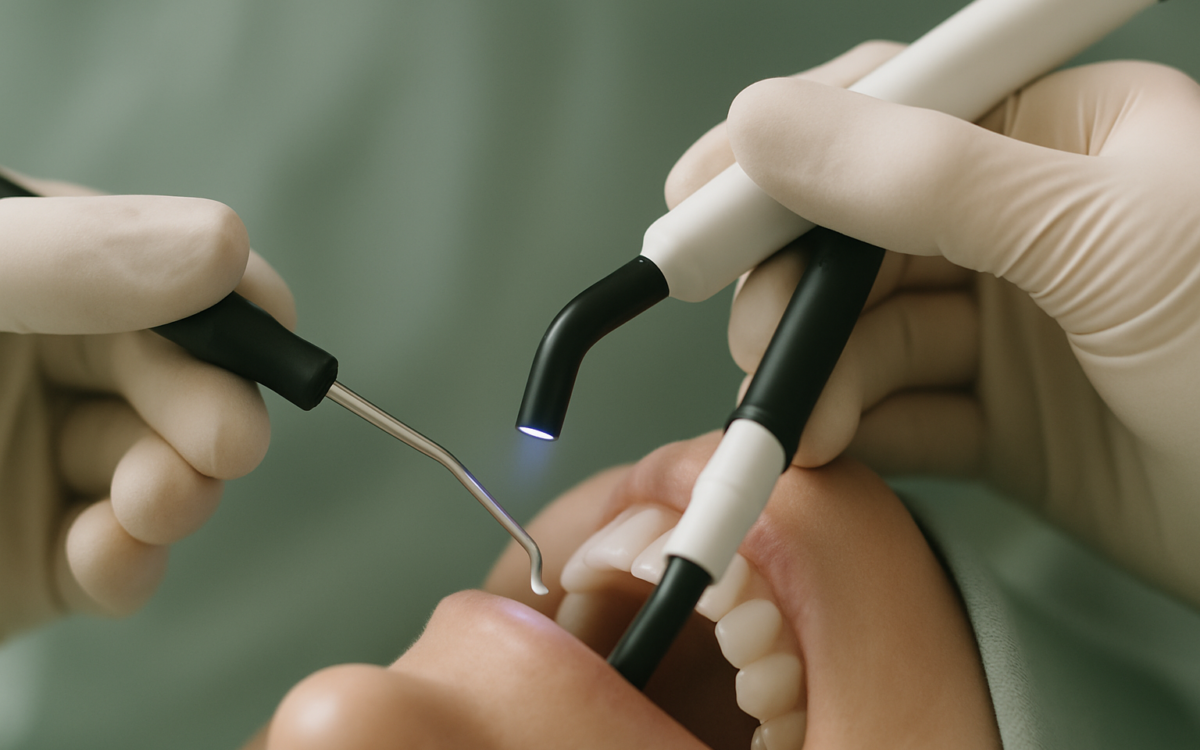
- Filling placement: The composite material is then applied in layers. Your dentist may use a special light to harden each layer before adding the next.
- Shaping and polishing: After all layers are added, the filling is shaped to fit your bite, and the surface is polished for a natural appearance and feel.
Post-procedure care for composite fillings
After your composite filling, it’s essential to take good care of your teeth to ensure the longevity of the filling:
- Avoid hard foods: For the first 24 hours, be cautious about eating hard foods, which may put pressure on the newly filled tooth.
- Practice good oral hygiene: Brush twice a day and floss daily to keep your teeth and gums healthy.
- Regular dental check-ups: Visiting your dentist regularly will help catch any issues early and maintain your overall dental health.
Possible risks and considerations
While composite fillings are generally safe, it’s essential to be aware of some potential risks:
- Wear and tear: Composite materials can wear down over time, especially in areas of heavy chewing pressure.
- Staining: Certain foods and drinks, such as coffee and red wine, can stain composite fillings, although newer materials are more resistant to discoloration.
- Allergic reactions: Although rare, some individuals may experience allergic reactions to the materials used in composite fillings.
When to see a dentist
If you notice any of the following, it’s time to consult your dentist:
- Increased sensitivity in the filled tooth
- Visible cracks or damage to the filling
- Unexpected pain in the area
- Changes in the way your teeth fit together when biting
Conclusion
Composite dental fillings are a reliable, aesthetically pleasing option for repairing damaged teeth. With proper care, they can last for many years, helping you maintain a healthy smile. If you suspect you have a cavity or a damaged tooth, consult your dentist to discuss the best options for your dental health. For further information, you can visit the Mayo Clinic and NIH for more resources on dental care.
