
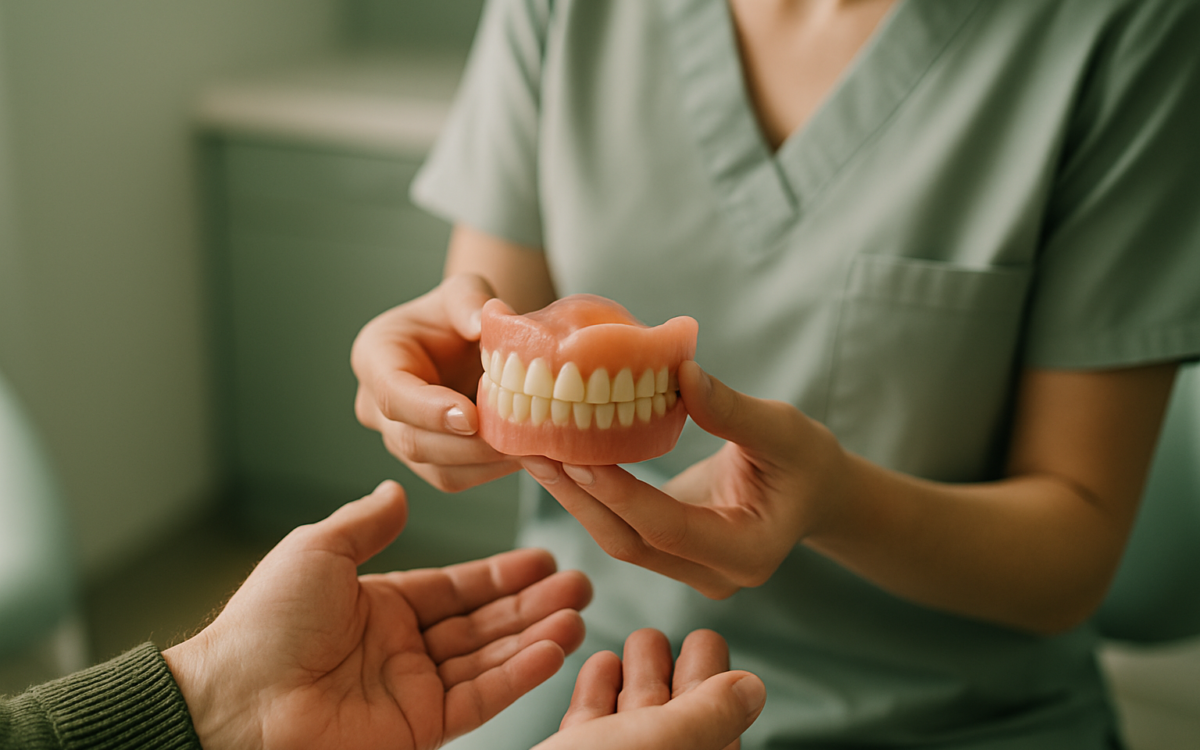
Dental prosthetics, or protesis dental, play an essential role in modern dentistry. They provide a solution for individuals facing tooth loss, whether due to decay, injury, or disease. Understanding what dental prosthetics entail, the various types available, and how they can impact your oral health can empower you to make informed decisions about your dental care.
What Are Dental Prosthetics?
Dental prosthetics are artificial devices crafted to replace missing teeth or restore the function of damaged teeth. They can help enhance the appearance of your smile, aid in chewing, and maintain the structure of your mouth. There are several types of dental prosthetics, each designed to cater to specific needs.
Types of Dental Prosthetics
1. Complete Dentures
Complete dentures are removable appliances that replace all the teeth in one or both jaws. They are made of acrylic resin and may include various metals for added strength. Complete dentures are ideal for individuals who have lost all of their teeth due to age or oral health issues.
2. Partial Dentures
Partial dentures are designed for individuals who still have some natural teeth remaining. These dentures sit on the remaining teeth and are secured with clasps. They help fill the gaps left by missing teeth and can improve the overall function and appearance of your smile.
3. Dental Implants
Dental implants are a more permanent solution for tooth replacement. A titanium post is surgically placed into the jawbone, serving as a root for an artificial tooth. Over time, the bone fuses with the implant, providing stability and strength. This option is often favored for its durability and natural feel.
4. Fixed Bridges
Fixed bridges are used to replace one or more missing teeth by anchoring onto adjacent natural teeth. This type of prosthetic is non-removable and offers a natural look, improving both aesthetics and functionality. A bridge can prevent remaining teeth from shifting out of place.
Benefits of Dental Prosthetics
Dental prosthetics offer various benefits that can significantly enhance your quality of life:
- Improved Functionality: Prosthetics allow for better chewing and speaking, making daily tasks easier.
- Aesthetic Enhancement: They restore the natural appearance of teeth, boosting confidence and self-esteem.
- Jawbone Preservation: Certain types of prosthetics, like implants, help maintain jawbone density and structure, preventing further tooth loss.
- Oral Health Maintenance: Replacing lost teeth helps with overall oral hygiene by making it easier to clean and care for your mouth.
Care and Maintenance of Dental Prosthetics
Taking care of your dental prosthetics is crucial for their longevity and effectiveness. Here are some essential maintenance tips:
- Daily Cleaning: Brush your dentures or prosthetics daily with a soft-bristled brush and mild soap or denture cleaner. Avoid regular toothpaste, which can be abrasive.
- Soaking: Soak dentures in a solution recommended by your dentist when not in use to keep them moist and free from stains.
- Regular Check-ups: Schedule regular visits with your dentist to ensure your prosthetics fit well and to address any concerns promptly.
Common Concerns and Misconceptions
Many people have concerns about dental prosthetics, often stemming from misconceptions. Here are some clarifications:
- Comfort: While it may take time to adjust to new prosthetics, they should not be painful. Consulting with your dentist can help if you experience discomfort.
- Appearance: Modern dental prosthetics are designed to look highly natural. You can discuss color and shape options with your dentist to achieve the best results.
- Longevity: With proper care, female and male dental prosthetics can last many years. Regular maintenance is key to ensuring they remain in good condition.
When to See a Doctor
It’s essential to consult your dentist for regular check-ups and if you experience any issues with your dental prosthetics. You should seek professional advice if you notice:
- Increased discomfort or pain while using your prosthetics.
- Changes in fit, such as looseness or irritation.
- Signs of infection, such as swelling or discharge in the mouth.
Conclusion
Dental prosthetics can significantly improve your oral health and overall quality of life. Understanding the different types available, their benefits, and the importance of proper care will empower you to embrace your dental journey with confidence. Always consult your dentist for personalized advice and treatment options tailored to your needs. By staying informed and proactive, you can ensure a healthy smile for years to come.
