
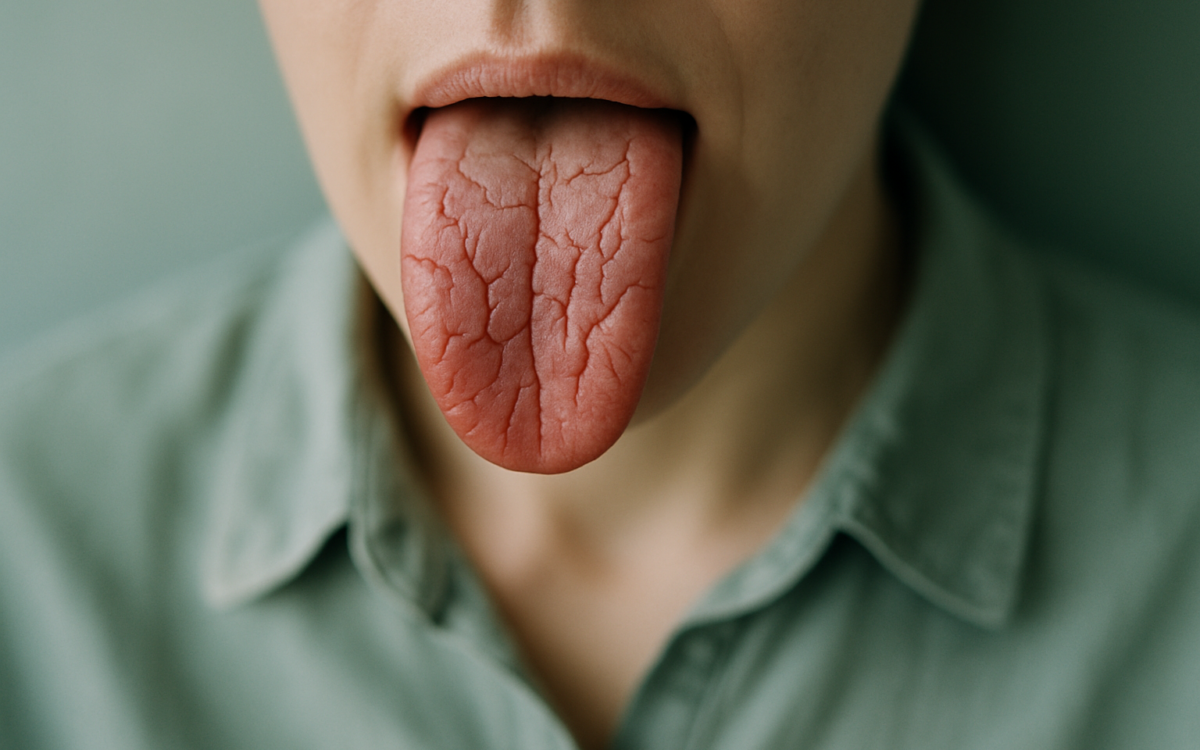
The tongue plays a vital role in our everyday functions—speaking, tasting, and even swallowing. However, when we notice cracks in our tongue, it can be concerning. These fissures or cracks may not only be a cosmetic issue but can also indicate underlying health problems. Understanding the causes, symptoms, and possible treatments for cracked tongues can empower individuals to take charge of their oral health.
What Are Cracks in the Tongue?
Cracks in the tongue, often referred to as fissured tongue, can appear as grooves or clefts on the tongue surface. While they can vary in depth and size, these cracks are usually harmless and may remain asymptomatic. In some cases, however, they can lead to discomfort, especially if food particles become trapped within the cracks.
Possible Causes of Cracks in the Tongue
Several factors can contribute to the development of cracks in the tongue. Here are a few common causes:
- Genetics: Fissured tongue often runs in families. If you have a parent or sibling with a fissured tongue, you may be more likely to develop one.
- Dehydration: A lack of hydration can cause dryness in the mouth and tongue, leading to cracks.
- Nutritional Deficiencies: Deficiencies in vitamins and minerals, particularly B vitamins, iron, and folic acid, can contribute to a fissured tongue.
- Medical Conditions: Certain health conditions such as Sjögren’s syndrome, psoriasis, or geographic tongue can lead to cracks or fissures in the tongue.
- Allergic Reactions: Some individuals may experience cracks in their tongue due to an allergic reaction to foods, medications, or dental products.
Symptoms to Look Out For
While cracks in the tongue are often mild, they can sometimes come with additional symptoms. Pay attention to the following signs:
- Redness or swelling around the cracks.
- Pain or sensitivity when eating certain foods, especially spicy foods.
- Increased discomfort or discomfort when brushing your tongue.
- Bad breath due to trapped food particles.
How to Maintain Tongue Health
Maintaining good tongue health can help prevent the development of cracks and improve overall oral hygiene. Here are some practical tips:
- Stay Hydrated: Drink plenty of water throughout the day to keep your mouth moist.
- Practice Good Oral Hygiene: Brush your teeth and tongue regularly. Use a soft-bristled toothbrush or a tongue scraper to gently clean the surface of your tongue.
- Eat a Balanced Diet: Ensure you are getting essential vitamins and minerals. Include fruits, vegetables, whole grains, and lean proteins in your meals.
- Avoid Irritants: Minimize your intake of spicy foods, alcohol, and tobacco, which can irritate the tongue.
- Consult Healthcare Professionals: If you experience persistent cracks or discomfort, speaking with a healthcare provider or a dentist can help. They may be able to recommend treatments or therapies tailored to your needs.
When to See a Doctor
While cracks in the tongue are often harmless, there are times when it’s essential to seek medical advice. If you notice:
- Persistent pain or discomfort.
- Cracks that seem to worsen or change in appearance.
- Signs of infection, such as swelling, drainage, or fever.
- Difficulty eating or drinking because of the cracks.
- Other symptoms like fatigue, weakness, or unexplained weight loss.
In these situations, a healthcare professional can evaluate your symptoms and rule out any underlying health issues. For those who may be considering treatment options from international sources, resources like acibademinternational.com provide insightful perspectives on various treatments available for oral health.
Conclusion
Cracks in the tongue can be a source of concern for many, but understanding their potential causes and proper care can help individuals manage their health more effectively. By keeping up with good hygiene practices, staying hydrated, and paying attention to nutritional needs, most people can maintain optimal tongue health. If cracks persist or cause discomfort, don’t hesitate to reach out to a healthcare provider for further assessment and guidance.
