
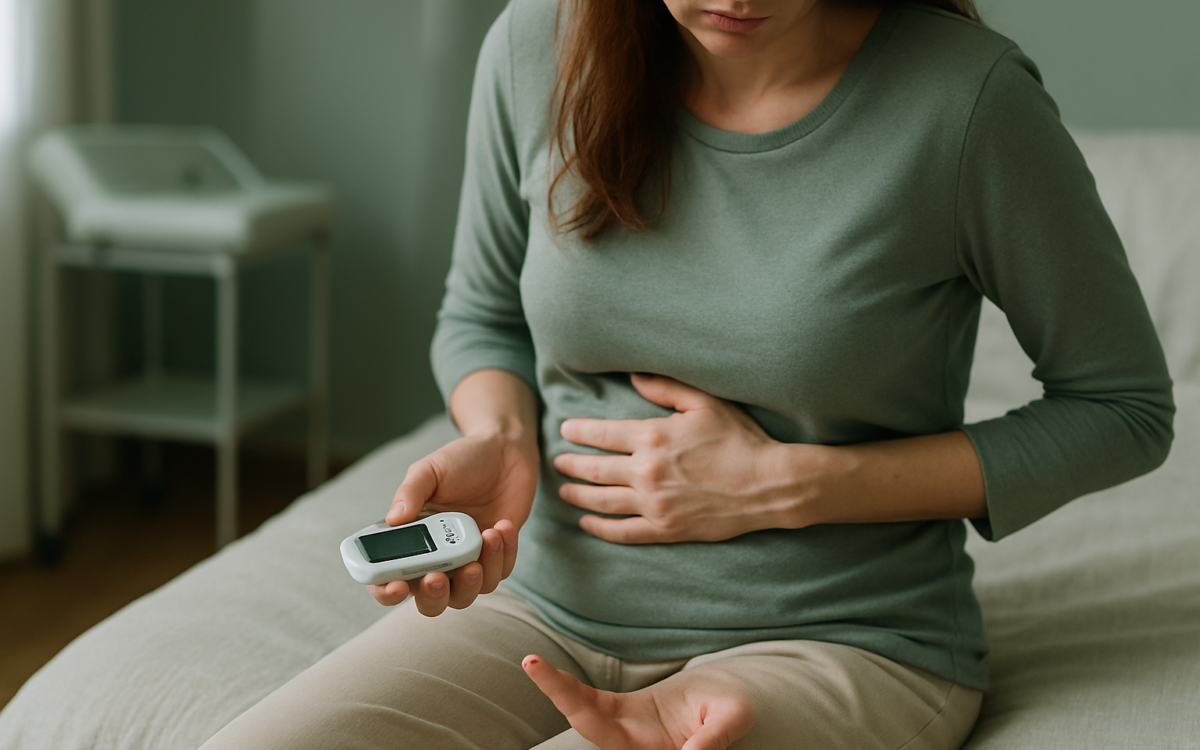
Diabetes is a serious condition affecting millions of people worldwide, and its symptoms can manifest differently in females compared to males. Understanding these symptoms is vital for early detection and effective management. In this article, we will explore the various diabetes symptoms specific to women, review how they may differ from men’s experiences, and discuss what to do if you suspect you might have diabetes.
What Is Diabetes?
Before diving into symptoms, it’s helpful to understand what diabetes is. Diabetes is a metabolic disorder characterized by high blood sugar levels over a prolonged period. There are two main types: Type 1 and Type 2 diabetes. In Type 1 diabetes, the body doesn’t produce insulin, while in Type 2, the body doesn’t respond well to insulin. Both types require attention and management to prevent complications.
Common Symptoms of Diabetes in Females
Women can experience a range of symptoms as diabetes progresses, some of which may appear subtle or easily overlooked. Here are the most common symptoms:
- Increased thirst and frequent urination: High blood sugar levels can lead to increased thirst (polydipsia) and the need to urinate more often (polyuria).
- Fatigue: Persistent tiredness can occur, as your body can’t effectively use sugar for energy.
- Blurry vision: Elevated blood sugar can lead to swelling in the eye’s lens, affecting vision.
- Slow-healing wounds: High blood sugar can impair skin healing and increase infection risk.
- Unusual weight loss: This can occur even if you’re eating normally, especially in Type 1 diabetes.
- Yeast infections: Women with diabetes are more prone to yeast infections due to high sugar levels providing an environment for yeast to flourish.
Gender-Specific Diabetes Symptoms
While both men and women share common diabetes symptoms, several are notably gender-specific. Women may face unique challenges that can complicate their experiences with diabetes:
- Menstrual cycle changes: Diabetes can affect hormone levels, leading to irregular menstrual cycles.
- Pregnancy complications: Women with diabetes may face increased risks during pregnancy, including gestational diabetes, which can lead to complications for both mother and baby.
- Heart disease risk: Women with diabetes have a higher risk of developing heart disease compared to men. Symptoms of heart disease in women can also differ, often presenting as fatigue, shortness of breath, or back or neck discomfort rather than the typical chest pain.
Psychological Effects of Diabetes
Diabetes often comes with psychological challenges that can affect women differently. Many women experience anxiety, depression, or stress related to managing their condition. Studies have shown that females are more likely to report feelings of distress due to diabetes management compared to males. Recognizing and addressing these emotional aspects is crucial for overall health.
Coping with Diabetes Symptoms
If you or someone you know is experiencing symptoms of diabetes, it’s essential to seek medical advice. While experiencing one or more symptoms doesn’t mean you definitively have diabetes, ignoring them can lead to serious health complications.
Here are some steps to consider if you’re managing diabetes symptoms:
- Consult your doctor: Early diagnosis and treatment can help manage symptoms and prevent complications.
- Monitor your blood sugar: Keeping track of blood sugar levels can help recognize patterns and necessary adjustments.
- Maintain a healthy diet: Focus on balanced meals with controlled portions to help manage blood sugar levels.
- Physical activity: Regular exercise plays a key role in blood sugar control and overall health.
- Join support groups: Connecting with others who have diabetes can provide emotional support and practical tips.
When to See a Doctor
If you notice persistent symptoms such as excessive thirst, frequent urination, unexplained fatigue, or any other concerning signs, it’s important to consult a healthcare provider. They can perform blood tests to check for diabetes and provide guidance on managing your health.
Conclusion
Understanding diabetes symptoms in females is vital for early detection and effective management of the disease. As diabetes affects women in unique ways, being aware of these symptoms helps in seeking prompt medical attention. Always remember, if you have concerns about your health or experience troubling symptoms, consulting a healthcare professional is a crucial step in safeguarding your well-being.
For more information, consider visiting reputable sources such as the CDC, Mayo Clinic, and the NIH.
