
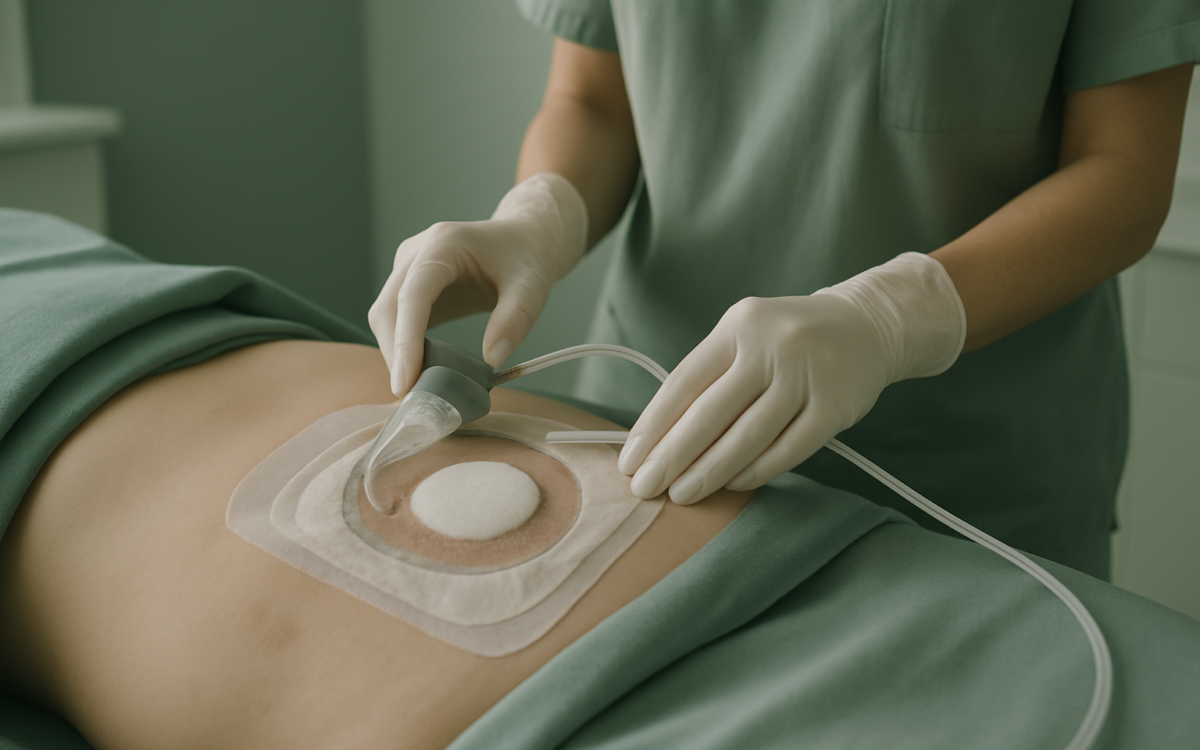
In the realm of wound care, innovations are always on the horizon. One such advancement is Dressing VAC, also known as Negative Pressure Wound Therapy (NPWT). This method uses controlled vacuum pressure to facilitate faster healing of acute and chronic wounds. Sifting through the complexities of medical techniques can be daunting, but understanding the benefits and uses of Dressing VAC may offer insights into how it assists in wound recovery.
What is Dressing VAC?
Dressing VAC is a therapeutic treatment designed to manage wounds by applying a vacuum on the dressing placed over the injury. The device consists of a specialized dressing connected to a vacuum pump. By generating negative pressure, it helps to draw fluid away from the wound, reducing edema (swelling) and promoting blood flow, which is crucial for healing.
How Does Dressing VAC Work?
The application of negative pressure serves several purposes:
- Improved Wound Environment: The vacuum removes excess fluid and infectious materials, creating a moist environment conducive to healing.
- Enhanced Blood Flow: It encourages local blood flow, which increases oxygen and nutrient delivery to the wound site.
- Stimulated Granulation Tissue Formation: The therapy promotes the formation of new tissue, facilitating wound closure.
This combination of factors helps expedite the healing process, particularly for wounds that are slow to heal, such as diabetic ulcers, pressure ulcers, or surgical wounds.
Benefits of Using Dressing VAC
Dressing VAC offers numerous benefits that have made it a popular choice among healthcare providers:
- Accelerated Healing: Studies have shown that wounds treated with negative pressure therapy tend to heal faster than those managed with traditional methods (NIH).
- Reduced Infection Rates: The vacuum effect reduces bacterial colonization and helps prevent infections.
- Less Pain: Many patients report less discomfort with dressing changes compared to alternative treatments.
- Easy to Monitor: Healthcare providers can easily monitor the wound’s progress without frequent dressing changes.
Who Can Benefit from Dressing VAC?
Dressing VAC therapy is beneficial for a variety of patients. It is commonly used for:
- Patients with chronic wounds, such as diabetic foot ulcers.
- Individuals recovering from major surgeries where the risk of infection is high.
- Those with pressure ulcers that are not healing.
- Trauma patients with complex injuries requiring careful management.
However, it’s essential to consult with a healthcare provider to determine if this therapy is suitable for specific situations, as not all wounds are appropriate for VAC therapy.
Potential Risks and Considerations
While Dressing VAC is generally safe, there are some potential risks to be aware of:
- Skin Irritation: The adhesive nature of the dressing may irritate the skin around the wound.
- Infections: Improper application or management can lead to infections.
- Discomfort: Some patients may experience discomfort or pain due to the vacuum pressure.
Before using Dressing VAC, it’s crucial to discuss potential risks with a healthcare professional. They can assess individual cases and advise on the best course of treatment.
When to Consider Dressing VAC for Your Wound?
Indications for using Dressing VAC include:
- Wounds that show little or no improvement with standard treatments after a few weeks.
- Wounds with significant fluid drainage.
- Deep or complex wounds that require special attention.
Ultimately, the decision to use Dressing VAC should involve a thorough assessment by a healthcare provider that considers all aspects of the patient’s health and wound characteristics.
When to See a Doctor
If you have a wound that is not healing as expected, showing signs of infection (increased redness, swelling, or discharge), or you have concerns about your wound care, it is important to consult your healthcare provider. Early intervention can make a significant difference in wound healing outcomes.
Each patient’s situation is unique, and getting professional advice is paramount for optimal recovery.
Conclusion
Dressing VAC represents a significant advancement in wound management, leveraging the principles of negative pressure to enhance healing and reduce complications. Understanding how this therapy works, its benefits, and potential drawbacks can empower patients and caregivers alike in making informed decisions about wound care. Always consult your healthcare provider to discuss the most appropriate options for your situation.
