
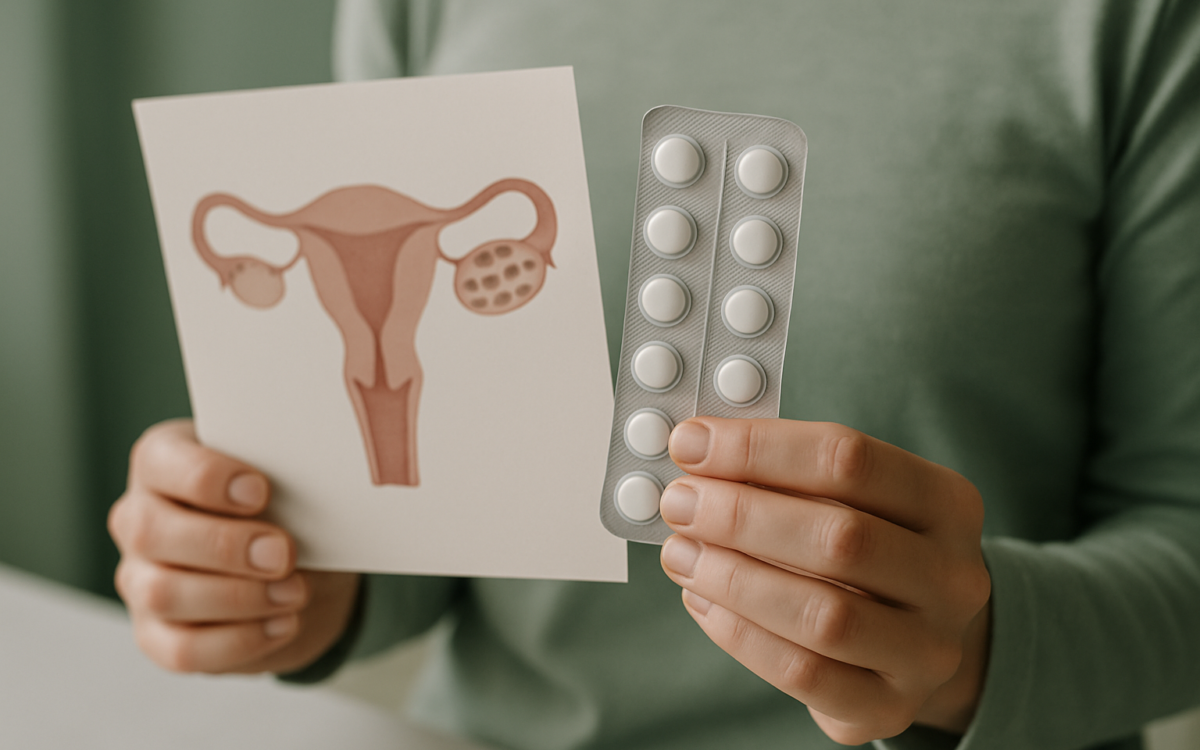
Polycystic Ovary Syndrome (PCOS) is a common condition affecting women of reproductive age. Characterized by hormonal imbalances, it can lead to a variety of symptoms ranging from irregular menstrual cycles to difficulty getting pregnant. Fortunately, several drugs can help manage these symptoms and improve quality of life. This article explores the types of medications commonly prescribed for PCOS, their uses, and the importance of consulting healthcare professionals.
Understanding PCOS: An Overview
Before diving into specific medications, it’s crucial to understand what PCOS is. This hormonal disorder can cause numerous health issues due to an imbalance in the hormones that regulate the menstrual cycle. Women with PCOS may experience symptoms such as:
- Irregular or absent menstrual periods
- Excess hair growth (hirsutism)
- Acne and oily skin
- Weight gain
- Thinning hair
These symptoms arise from the overproduction of androgens, which are male hormones also present in women. Managing PCOS often requires a multifaceted approach, including lifestyle changes and medications.
Hormonal Treatments: Birth Control Pills
Oral contraceptive pills are one of the most commonly prescribed drugs for women with PCOS. They help regulate menstrual cycles by providing a consistent dose of hormones. This can alleviate symptoms such as heavy bleeding and hirsutism.
Birth control pills may contain a combination of estrogen and progestin or just progestin. These medications can help lower androgen levels, thereby reducing symptoms like excessive hair growth and acne. Women looking to manage their PCOS symptoms using this method should consult their healthcare provider about the best options for their health needs. For more information, visit the NIH.
Insulin-Sensitizing Agents
Many women with PCOS also face insulin resistance, which can lead to weight gain and difficulties in managing blood sugar levels. Insulin-sensitizing medications, like metformin, are often prescribed to help address this issue.
Metformin works by improving the body’s sensitivity to insulin, which can help in managing weight and regulating menstrual cycles. By decreasing insulin resistance, it also aids in reducing androgen levels, leading to symptom improvement.
If lifestyle changes alone aren’t sufficient, your doctor might suggest trying metformin. Research supports its effectiveness in improving menstrual regularity and fertility in women with PCOS. More on this can be found through the CDC.
Medications for Fertility Enhancement
For women struggling with infertility due to PCOS, fertility treatments may become necessary. One of the most commonly used medications is clomiphene citrate, which stimulates ovulation. This medication works by blocking estrogen receptors in the hypothalamus—tricking the body into thinking estrogen levels are low, prompting the release of hormones that stimulate the ovaries.
Clomiphene is generally the first-line treatment for women with PCOS who are looking to conceive. It has a high success rate, especially in the early attempts. If clomiphene is unsuccessful, doctors may explore other options, such as injectable hormones or in vitro fertilization (IVF).
Addressing Other Symptoms: Anti-Androgens
For symptoms specifically related to elevated androgen levels, anti-androgen medications like spironolactone can be helpful. These medications block the effects of androgens on the body, helping to reduce symptoms like hirsutism and acne.
Spironolactone is often used as an adjunct treatment alongside birth control pills, as they can enhance each other’s effects. However, it’s essential to consult with a doctor before starting this medication, as spironolactone can have side effects and may not be suitable for women trying to conceive.
Lifestyle Changes: The Essential Complement
While medications play a vital role in managing PCOS, lifestyle changes are equally important. A balanced diet, regular exercise, and maintaining a healthy weight can significantly improve overall well-being and may even help in managing symptoms.
Several studies suggest that losing even a small amount of weight can help regulate menstrual cycles, lower androgen levels, and improve insulin sensitivity. Incorporating physical activity and a diet rich in whole foods can be instrumental in managing PCOS.
When to See a Doctor
If you experience symptoms of PCOS or have irregular menstrual cycles, it’s essential to consult a healthcare professional. Early diagnosis and treatment can prevent long-term complications such as diabetes, heart disease, or endometrial cancer.
Additionally, if you’ve been trying to conceive for more than a year without success, seeking medical advice is crucial. A healthcare provider can guide you through the available options and help create a personalized treatment plan.
Conclusion
Polycystic Ovary Syndrome can significantly impact a woman’s life, but effective management options are available. From hormonal treatments to lifestyle changes, various strategies can help alleviate symptoms and improve overall health. As with any medical condition, it’s important to consult with a healthcare provider to find the most suitable treatment for your individual health needs. Understanding the available drugs and their roles in managing PCOS can empower you to take charge of your health.
