
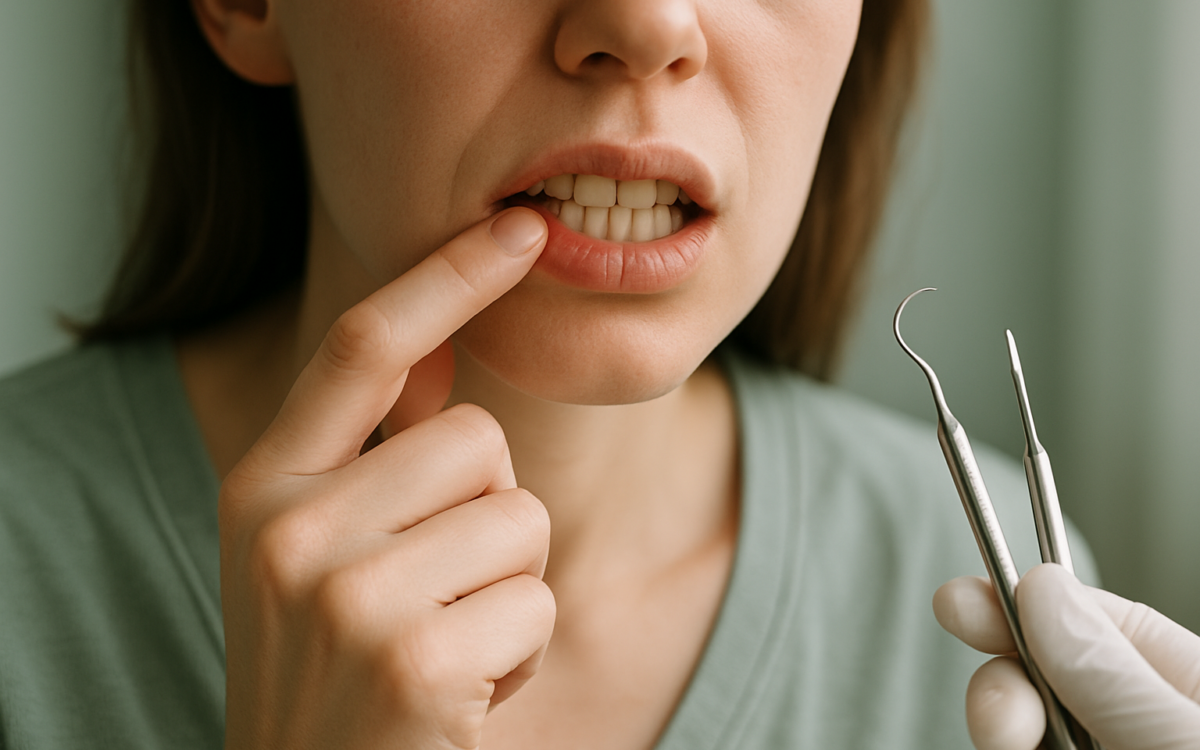
Sore gums can be an uncomfortable and sometimes alarming experience. Whether it’s a little irritation after a tough flossing session or persistent pain that seems to come from nowhere, understanding what’s happening in your mouth is key to finding relief. This article will explore the causes of sore gums, potential symptoms, and some practical solutions you can try at home.
What causes sore gums?
Sore gums can arise from a variety of sources, each necessitating different approaches to treatment. Here are some common causes:
- Poor oral hygiene: Inadequate brushing and flossing can lead to plaque buildup, resulting in gingivitis—a precursor to more severe gum disease.
- Gum disease: Beyond gingivitis, periodontal disease can cause significant inflammation and infection, leading to pain in the gums.
- Hormonal changes: Fluctuations in hormones, especially during puberty, menstruation, pregnancy, or menopause, can make gums more sensitive and prone to soreness.
- Tobacco use: Smoking or using other tobacco products can irritate the gums and increase the risk of gum disease.
- Certain medical conditions: Diseases such as diabetes, HIV, and certain autoimmune conditions can affect gum health. Additionally, conditions that cause dry mouth, like Sjögren’s syndrome, can lead to sore gums.
- Allergic reactions: Some people may experience gum irritation as a reaction to certain dental products, such as toothpaste, mouthwash, or whitening products.
- Injuries or irritating foods: Accidental bites or consuming overly spicy or acidic foods can cause temporary discomfort in the gums.
Recognizing symptoms
A key part of managing your oral health is recognizing the signs that accompany sore gums. Here are some symptoms to be aware of:
- Swelling: Inflamed gums often appear swollen and may have a bright red color.
- Bleeding: Gums that bleed while brushing or flossing are a warning sign that should not be ignored.
- Persistent pain: Ongoing discomfort that doesn’t improve may indicate a more serious issue.
- Receding gums: If your gums begin to pull away from your teeth, it’s a sign that you need to consult with a dental professional.
- Bad breath: Chronic bad breath can signal the presence of gum disease.
Home remedies to soothe sore gums
If you’re experiencing sore gums, there are several home remedies you can try to alleviate the discomfort:
- Warm saltwater rinse: Mixing a teaspoon of salt in warm water and rinsing your mouth can help reduce inflammation and kill bacteria.
- Cold compress: Applying a cold compress on the outside of your mouth can help numb the area and reduce swelling.
- Hydration: Drinking plenty of water can help keep your mouth moist and promote healing.
- Herbal teas: Herbal solutions like chamomile or sage tea may help soothe irritation, thanks to their anti-inflammatory properties.
- Gentle oral care: Switching to a soft-bristled toothbrush and using gentle, non-abrasive toothpaste can minimize irritation during cleaning.
When to consider over-the-counter options
If home remedies don’t alleviate your sore gums, you may want to consider over-the-counter options. Products like topical anesthetics, anti-inflammatory gels, or medicated mouthwash may provide relief. It’s essential to read instructions carefully and consult with a healthcare professional if you have any concerns about which products are suitable for your situation.
Preventing sore gums in the future
Preventing sore gums is often easier than treating them. Here are a few strategies to maintain optimal gum health:
- Brush regularly: Brush your teeth at least twice a day using fluoride toothpaste.
- Floss daily: Flossing helps remove plaque and food particles between teeth where your toothbrush can’t reach.
- Limit sugary foods: Reducing your intake of sugary snacks can help prevent plaque formation.
- Regular dental check-ups: Visiting your dentist at least twice a year for professional cleaning can ensure your gums stay healthy.
- Avoid tobacco products: Quitting smoking not only helps your gums but benefits your overall health.
When to see a doctor
If your sore gums persist beyond a few days, or if you experience additional symptoms like fever, facial swelling, or difficulty swallowing, it’s crucial to consult a healthcare professional. These could be signs of a more serious condition that requires attention. Early detection and treatment can significantly improve outcomes.
Conclusion
Sore gums can be a minor annoyance or a sign of something that needs addressing. Understanding the causes and symptoms is vital for maintaining your oral health. By adopting good hygiene practices and seeking help when necessary, you can ensure your gums remain healthy and minimize discomfort.
For more information on oral health, consider checking out resources from organizations like the Mayo Clinic and the National Heart, Lung, and Blood Institute.
