
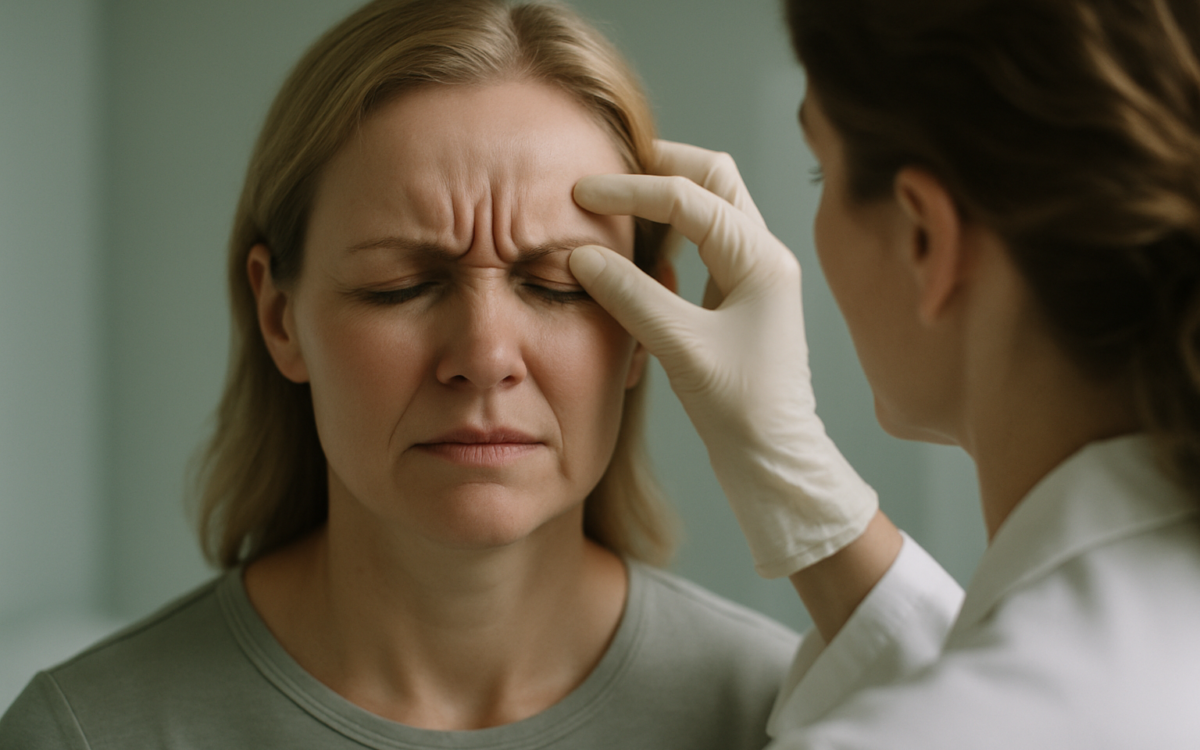
Frown lines, also known as glabellar lines, are those creases that appear between your eyebrows over time. They can give your face a stern or tired look, even if you’re feeling cheerful inside. Understanding what causes these lines, how to prevent them, and the available treatment options can empower you to take charge of your skin’s appearance.
What Are Frown Lines?
Frown lines develop from repeated facial expressions, such as frowning, squinting, or concentrating. They usually become more pronounced with age due to the natural loss of collagen and elastin in the skin. These proteins help keep the skin firm and elastic, and their depletion can make wrinkles and lines more noticeable. Research shows that repeated muscle contractions can lead to deeper lines over time, much like how folding a piece of paper leaves a crease.
Causes of Frown Lines
Several factors contribute to the formation of frown lines:
- Repetitive Facial Expressions: Frequent frowning or squinting can cause the skin to crease. Over years, these creases can deepen, leading to permanent frown lines.
- Age: As we grow older, our skin loses moisture and elasticity, making it more difficult for the skin to bounce back after facial expressions.
- Sun Exposure: Ultraviolet (UV) rays can damage the skin and accelerate aging. Studies have shown that sun exposure can break down collagen, leading to premature wrinkles.
- Genetics: Your family history might influence how your skin ages and whether you develop frown lines.
- Lifestyle Choices: Smoking and poor diet can contribute to early skin aging, making frown lines more prominent.
Prevention Tips for Frown Lines
While it’s impossible to completely prevent frown lines, there are several strategies you can adopt to slow their development:
- Sun Protection: Always wear sunscreen with at least SPF 30. Protecting your skin from the sun’s harmful rays can help prevent premature aging. Try to wear a wide-brimmed hat and seek shade when the sun is strongest.
- Hydration: Keeping your skin hydrated helps maintain its elasticity. Drinking enough water and using moisturizers can make a significant difference in skin appearance.
- Avoid Repetitive Expressions: Being mindful of your facial expressions can help. Try to relax your forehead and avoid frowning when you don’t actually feel stressed.
- Healthy Lifestyle: Eating a balanced diet rich in antioxidants, healthy fats, and vitamins can support skin health. Additionally, quitting smoking can improve your skin’s appearance.
- Regular Skincare Routine: Incorporate products that promote skin health. Look for those containing retinoids, hyaluronic acid, and peptides. These ingredients can help improve skin texture and elasticity.
Treatment Options for Frown Lines
If you already have noticeable frown lines and would like to reduce their appearance, several treatment options are available:
- Topical Treatments: Over-the-counter creams containing retinoids can promote cell turnover and improve skin texture. Prescription-strength options may be available from your dermatologist.
- Botox: This injectable treatment temporarily relaxes the muscles that cause frown lines. Results typically last three to six months, at which point repeat sessions may be needed.
- Dermal Fillers: Fillers can add volume to the skin, minimizing the appearance of frown lines. These treatments often involve hyaluronic acid or other substances that plump the skin and provide temporary results.
- Laser Treatments: Laser therapy can help stimulate collagen production and improve skin tone. Multiple sessions may be needed, and a consultation with a qualified professional is essential to discuss risks and benefits.
- Chemical Peels: These treatments use chemical solutions to remove damaged outer layers of skin, revealing newer skin beneath. Like laser treatments, multiple sessions are often required for optimal results.
Natural Remedies to Consider
Some people explore natural remedies to help reduce the appearance of frown lines. While the scientific evidence supporting these methods varies, many find these options worth considering:
- Facial Exercises: Certain facial exercises may strengthen muscles and improve skin elasticity. Just remember that results can take time and might not be dramatic.
- Essential Oils: Some oils, like rosehip and lavender, are often touted for their skin benefits. They may help hydrate the skin and improve overall appearance.
- Facial Masks: DIY masks made from ingredients like honey or aloe vera can provide hydration and nourishment, helping to improve skin texture.
When to See a Doctor
If you’re concerned about your frown lines or if they become more pronounced rapidly, it’s a good idea to consult a healthcare professional. They can provide guidance on effective treatment options tailored to your skin type and health history. If you’re considering high-end treatments or surgeries, it’s also essential to talk to a board-certified dermatologist or qualified healthcare provider.
Conclusion
Frown lines are a natural part of aging that can reflect our emotions and experiences. While they might feel unwelcome, understanding their causes and prevention strategies can help us embrace our skin. Whether through daily skincare routines, lifestyle choices, or treatment options, there are many ways to maintain a youthful appearance. Taking proactive steps can make a difference in how we feel about our skin.
