
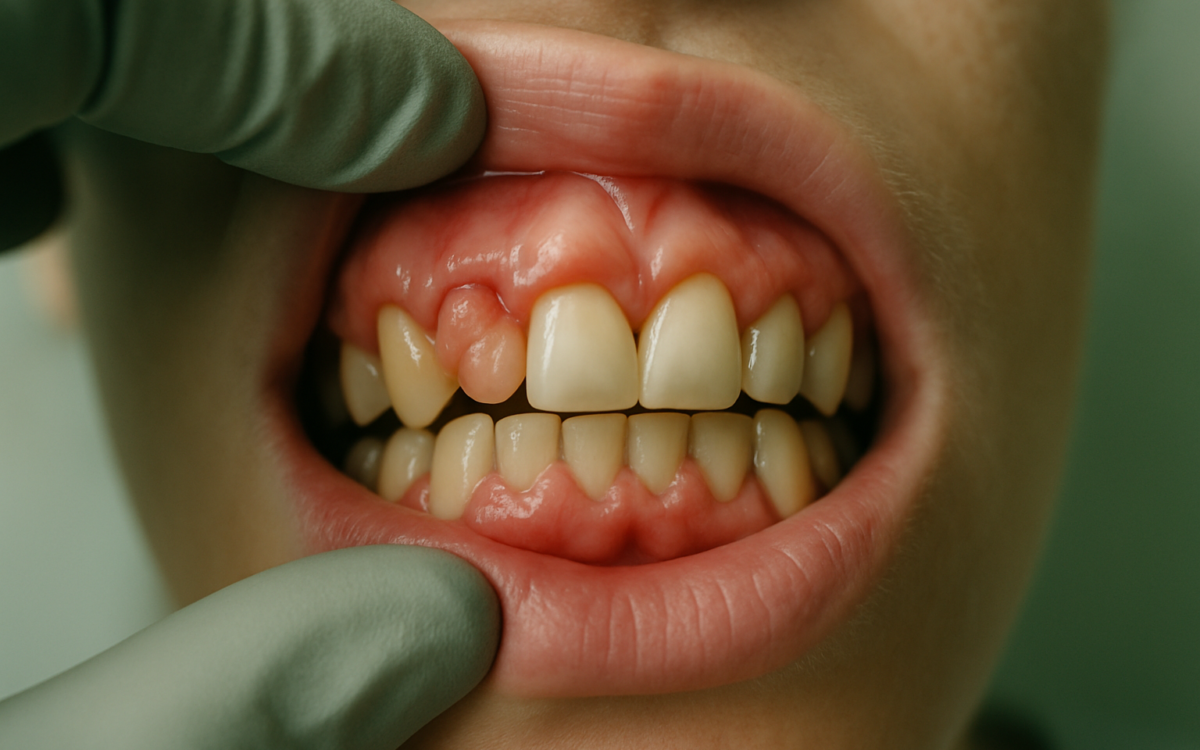
Gingival hyperplasia is a condition characterized by the overgrowth of gum tissue. This can lead to swollen gums that may cover parts of the teeth. While it can feel harmless, gingival hyperplasia can cause oral discomfort and may indicate underlying health issues. In this article, we’ll delve into what gingival hyperplasia is, explore potential causes, symptoms, and management strategies that can help you maintain healthy gums.
What is gingival hyperplasia?
Gingival hyperplasia, also known as gum overgrowth, occurs when the gum tissue around the teeth becomes enlarged. This condition can affect a person’s oral hygiene routine because swollen gums may make it harder to brush and floss effectively. In some cases, the overgrowth can be so significant that it covers the teeth, which can lead to additional oral health problems.
Causes of gingival hyperplasia
Several factors can lead to the development of gingival hyperplasia. Understanding these causes can help you take steps to manage or prevent the condition.
Medications
Certain medications are known to cause gum overgrowth. For example:
- Anticonvulsants: Drugs like phenytoin, used primarily for epilepsy, can lead to gingival hyperplasia.
- Calcium channel blockers: Medications like nifedipine or amlodipine, often prescribed for hypertension, can also trigger this condition.
- Immunosuppressants: Drugs such as cyclosporine, used by organ transplant recipients, may contribute to gum overgrowth.
Poor oral hygiene
A lack of proper oral care can exacerbate gingival hyperplasia. When plaque and tartar accumulate, it can lead to inflammation of the gums, which may result in overgrowth. Regular brushing and flossing are essential to prevent periodontal disease and maintain gum health.
Hormonal changes
Hormonal fluctuations—such as those occurring during pregnancy or puberty—can increase gum sensitivity and susceptibility to hyperplasia. For instance, pregnant women may experience gingival changes due to elevated hormone levels, leading to swollen gums.
Genetic factors
Some individuals may be genetically predisposed to developing gingival hyperplasia. If you have a family history of gum diseases or related conditions, you may be at higher risk.
Symptoms of gingival hyperplasia
Recognizing the symptoms of gingival hyperplasia is crucial for early intervention. Common signs include:
- Swollen or enlarged gums
- Gums that bleed easily during brushing or flossing
- Gums that appear red or inflamed
- Bad breath or halitosis
- Difficulty in maintaining oral hygiene due to gum overgrowth
If you observe these symptoms, it may be a sign of gingival hyperplasia or another underlying issue that requires attention.
Diagnosis and treatment options
To properly diagnose gingival hyperplasia, a dental professional will conduct a thorough examination of your gums and teeth. They may ask about your medical history, current medications, and lifestyle habits. This information can help pinpoint the cause of the gum overgrowth.
Treatment for gingival hyperplasia typically involves:
- Improving oral hygiene: Brushing twice a day and flossing daily can help minimize symptoms.
- Professional cleanings: Regular dental check-ups and cleanings will ensure plaque and tartar are removed, reducing inflammation.
- Medication adjustments: If your gingival hyperplasia is linked to a specific medication, your doctor might recommend alternative medications.
- Surgical intervention: In cases where gum overgrowth is severe, a dentist may perform a procedure to trim excess gum tissue.
Preventing gingival hyperplasia
While not all cases of gingival hyperplasia can be prevented, there are several proactive steps you can take to reduce your risk:
- Practice good oral hygiene through regular brushing and flossing.
- Schedule routine dental check-ups for professional cleanings and assessments.
- Avoid tobacco products that can contribute to gum disease and other health issues.
- Monitor and discuss any medications with your healthcare provider to understand their effects on your oral health.
- Maintain a balanced diet rich in vitamins and minerals that support gum health.
When to see a doctor
If you notice symptoms of gingival hyperplasia, such as swollen or bleeding gums, it’s essential to consult with a dental professional. They can help determine the underlying cause and provide appropriate treatment options. Additionally, if you are taking medications that may contribute to gum overgrowth, discuss potential alternatives with your physician.
Conclusion
Gingival hyperplasia is more than just a cosmetic issue; it can indicate larger oral health problems and may result from medication use or other factors. By understanding this condition and taking steps towards prevention and management, you can maintain healthier gums and a brighter smile. Always consult a healthcare or dental professional if you have concerns about your gum health or notice changes in your gums.
