
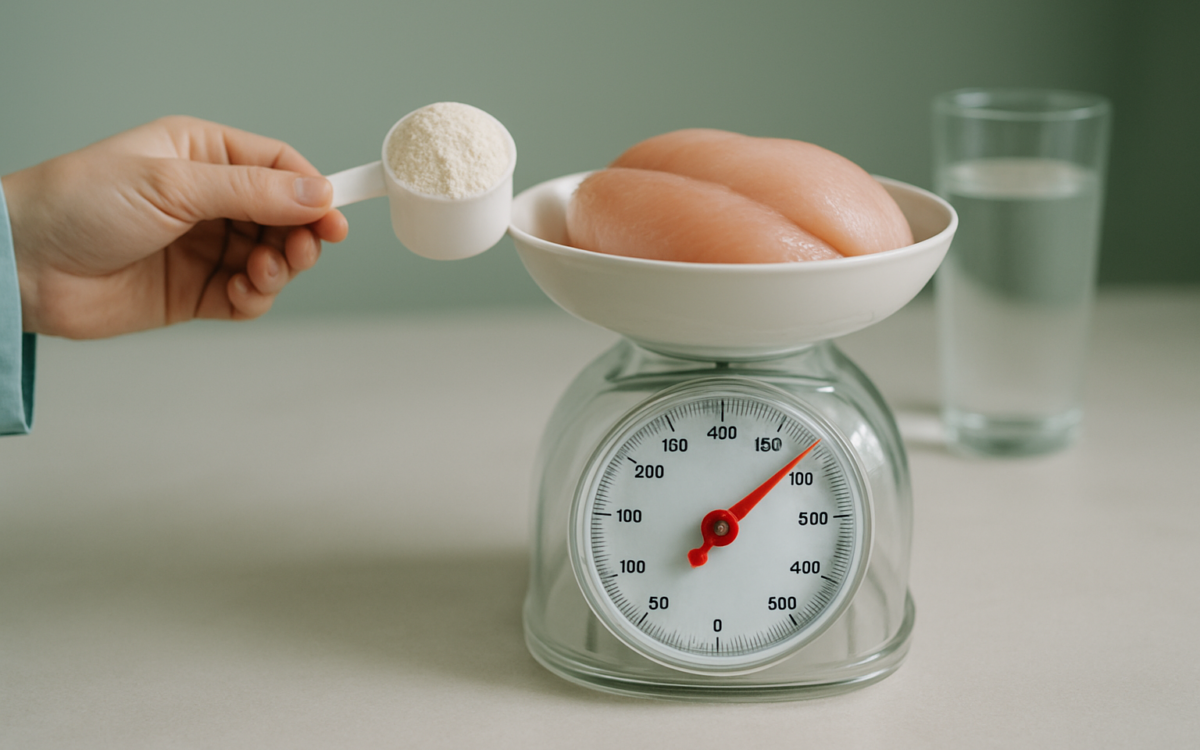
When it comes to health and nutrition, understanding different measurements is key for making informed decisions. One such measurement that often comes into play is grams per pound. Whether you’re tracking the nutrients in your food, adjusting your diet for fitness goals, or simply trying to understand food labels better, knowing how to use grams per pound is essential.
What Are Grams Per Pound?
The term “grams per pound” is a unit of measurement that helps us compare weights and perform conversions between two systems—the metric system (grams) and the imperial system (pounds). It plays a crucial role in areas like nutrition, cooking, and fitness.
Why Use Grams Per Pound in Nutrition?
Nutrition labels typically reflect values in grams, making it easy to track your intake. However, many people in the U.S. are more familiar with pounds. Understanding grams per pound can streamline the process. Here’s why you might want to be aware of this measurement:
- Tracking Nutrient Intake: For anyone monitoring macronutrients like proteins, fats, and carbohydrates, it’s essential to know how many grams you’re consuming per pound of body weight. This knowledge is especially useful for athletes looking to optimize their performance.
- Understanding Food Labels: Many packages include nutrition information in grams. By converting these figures to grams per pound, you can better assess portion sizes and calorie intake relative to your weight.
- Weight Management: Knowing your own measurements can help with weight management plans, making it easier to set and achieve dietary goals.
How to Convert Grams to Pounds
If you’re looking to convert grams per pound into a more meaningful assessment for your life, the conversion is quite straightforward. There are approximately 453.592 grams in one pound. To convert grams to pounds, divide the number of grams by 453.592.
Example Calculation
If you want to know how many pounds are in 250 grams, for example, you would use the formula:
250 grams ÷ 453.592 = 0.551 pounds
This means that 250 grams is approximately 0.551 pounds.
Applying Grams Per Pound in Fitness
For those actively engaging in fitness programs, grams per pound can be an important measurement. Here’s how it is commonly used:
- Protein Intake: Many nutritionists recommend consuming about 0.8 to 1.2 grams of protein per pound of body weight, depending on your activity level. If you weigh 150 pounds, this means you should aim for about 120 to 180 grams of protein daily.
- Supplement Use: For weightlifters and athletes, sports supplements often list ingredient amounts in grams. Understanding how these relate to your body weight can help you use them more effectively.
- Calorie Needs: You can also use grams per pound to assess your caloric needs. For example, aiming for a balanced intake of 15-20 calories per pound of body weight can help maintain energy levels without overeating.
Common Misconceptions About Grams Per Pound
While grams per pound is an important metric, there are some common misunderstandings that can lead to incorrect assumptions:
- All Grams Are Created Equal: Not all grams contribute equally to your diet. For example, 100 grams of broccoli provides far fewer calories than 100 grams of cake. Always consider the quality of the food you’re measuring.
- Only Relevant for Weight Loss: Grams per pound isn’t just for those trying to lose weight. It can also help maintain weight or support muscle gain, making it beneficial for everyone.
Reading Food Labels: Grams Per Serving
A critical way to apply the concept of grams per pound is through reading food labels. Here’s how to accurately interpret these figures:
- Serving Size: Pay attention to the serving size listed on the food label. Nutrient values are often calculated based on one serving, so multiply by the number of servings you consume.
- Condensed Information: Food labels provide grams for major nutrients, and knowing how these translate into grams per pound can guide portion control.
- Daily Value: Some labels also show the percentage of daily value (%DV). Consider this in relation to your body weight and dietary needs.
When to See a Doctor
If you’re confused about your dietary needs, weight management, or how to interpret food labels, consider consulting a healthcare provider or a registered dietitian. They can provide personalized advice based on your specific health goals and conditions. Additionally, if you experience unusual weight changes or health symptoms, it’s crucial to seek professional guidance.
In conclusion, understanding grams per pound is more than just converting numbers; it’s about making informed decisions regarding your diet and fitness. Whether it’s assessing nutrition labels, planning meals, or optimizing your protein intake, having a solid grasp of this measurement can enhance your everyday health choices. Now that you know more about grams per pound, you can feel more empowered in your health journey.
