
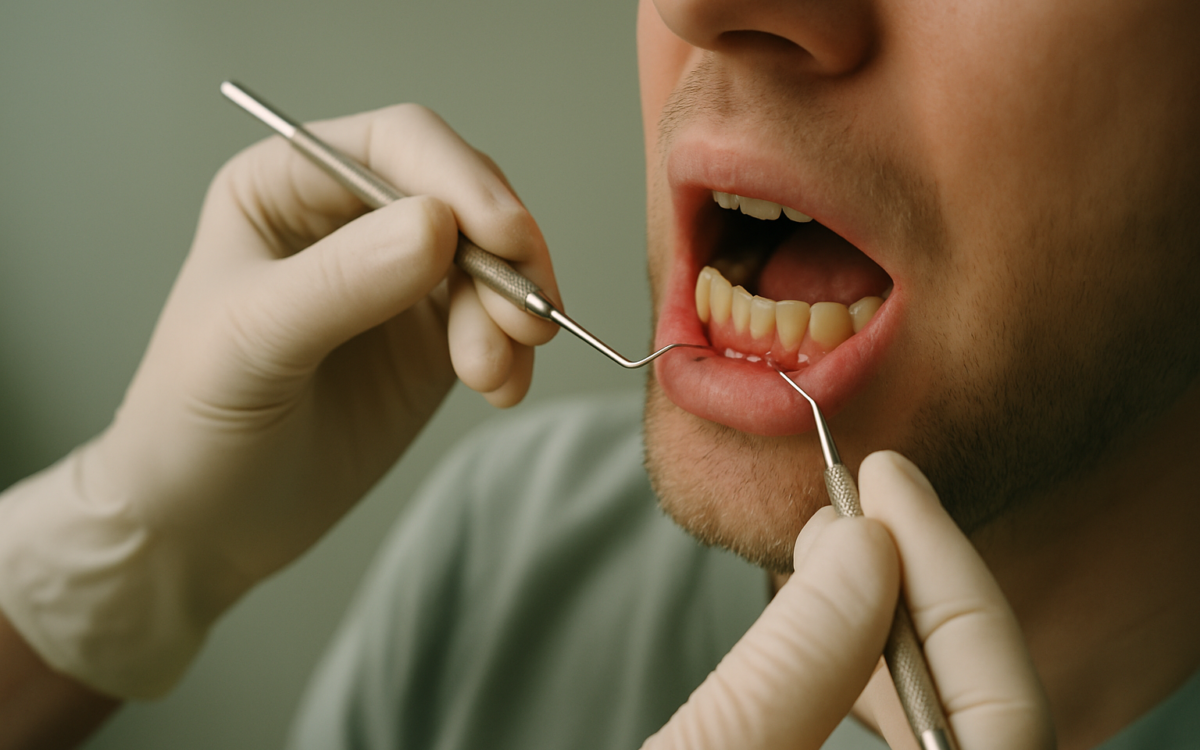
Gum disease and periodontal disease are not just issues for your smile; they are significant health concerns that can lead to serious complications if left untreated. Many people have this misconception that gum disease is just a minor annoyance, perhaps some bleeding while brushing. However, these diseases indicate something more serious happening in your mouth and overall health. Understanding the differences, symptoms, and preventive measures could be crucial for maintaining good dental health.
What is gum disease?
Gum disease, also known as gingivitis, is the earliest stage of gum-related issues. It occurs when plaque, a sticky film of bacteria, builds up on the teeth and irritates the surrounding gums. At this stage, you may notice that your gums bleed when you brush or floss, and they might appear swollen or red.
Fortunately, gingivitis is often reversible with good oral hygiene practices. Regular brushing, flossing, and dental visits can help restore gum health. If unchecked, however, gingivitis can progress to more serious issues.
What is periodontal disease?
Periodontal disease represents a more advanced condition that can occur if gum disease is not treated. It is characterized by inflammation and infection of the supporting structures of the teeth. This includes the bone that holds your teeth in place. There are two main forms of periodontal disease:
- Chronic Periodontitis: The most common form, often seen in adults. It leads to gum recession and loss of supporting bone.
- Aggressive Periodontitis: Often seen in younger individuals, this form can progress rapidly and is characterized by localized loss of bone around the teeth.
Periodontal disease can cause teeth to become loose, and if not managed, it can result in tooth loss. According to the CDC, nearly half of adults aged 30 and older show signs of periodontal disease. This emphasizes the importance of recognizing and treating gum disease early.
Symptoms to watch for
Understanding the symptoms of gum disease and periodontal disease can help you take action before it becomes a severe issue. Common symptoms include:
- Gums that bleed during brushing or flossing
- Swollen or tender gums
- Persistent bad breath or a bad taste in the mouth
- Receding gums, making your teeth look longer
- Loose or shifting teeth
- Changes in your bite or fit of dentures
If you experience any of these symptoms, it’s essential to talk to your dentist as soon as possible.
Risk factors for gum disease
Several factors can increase your risk of developing gum disease. Some of these include:
- Poor oral hygiene: Not brushing twice a day and flossing can contribute to plaque buildup.
- Tobacco use: Smoking or chewing tobacco can make it harder for your gums to heal.
- Nutrition: Lack of essential nutrients, including vitamins C and D, can affect gum health.
- Medical conditions: Diseases like diabetes and certain autoimmune disorders can increase susceptibility.
- Hormonal changes: Factors like pregnancy or menopause can make gums more sensitive.
Recognizing these risk factors helps you take preventive measures. Speaking with your healthcare provider can also lead to more tailored advice.
How to prevent gum disease
Preventing gum disease is achievable with mindfulness and a few good habits. Here are some effective strategies to keep your gums healthy:
- Brush and floss regularly: Make sure to brush at least twice a day and floss daily to remove plaque and food particles.
- Use fluoride toothpaste: Fluoride helps strengthen teeth and prevent decay.
- Rinse with an antibacterial mouthwash: This can help reduce plaque buildup and bacteria in your mouth.
- Schedule regular dental cleanings: Visiting your dentist every six months helps catch issues early.
- Quit tobacco: If you smoke or chew tobacco, consider resources to help you quit.
- Maintain a balanced diet: Include plenty of fruits, vegetables, and whole grains, while limiting sugars.
Implementing these practices doesn’t just promote gum health but also contributes to overall well-being.
When to see a doctor
If you notice any symptoms of gum disease or experience tooth sensitivity, it’s wise to consult your dentist promptly. Early diagnosis can prevent the progression of these diseases and keep your smile healthy. Regular check-ups can also enhance your preventive care and ensure any issues are addressed before they become serious.
With proper care, the health of your gums can improve significantly, influencing not just your oral health but your overall quality of life.
For more detailed information on gum disease, consider exploring resources from the National Heart, Lung, and Blood Institute for additional insights.
