
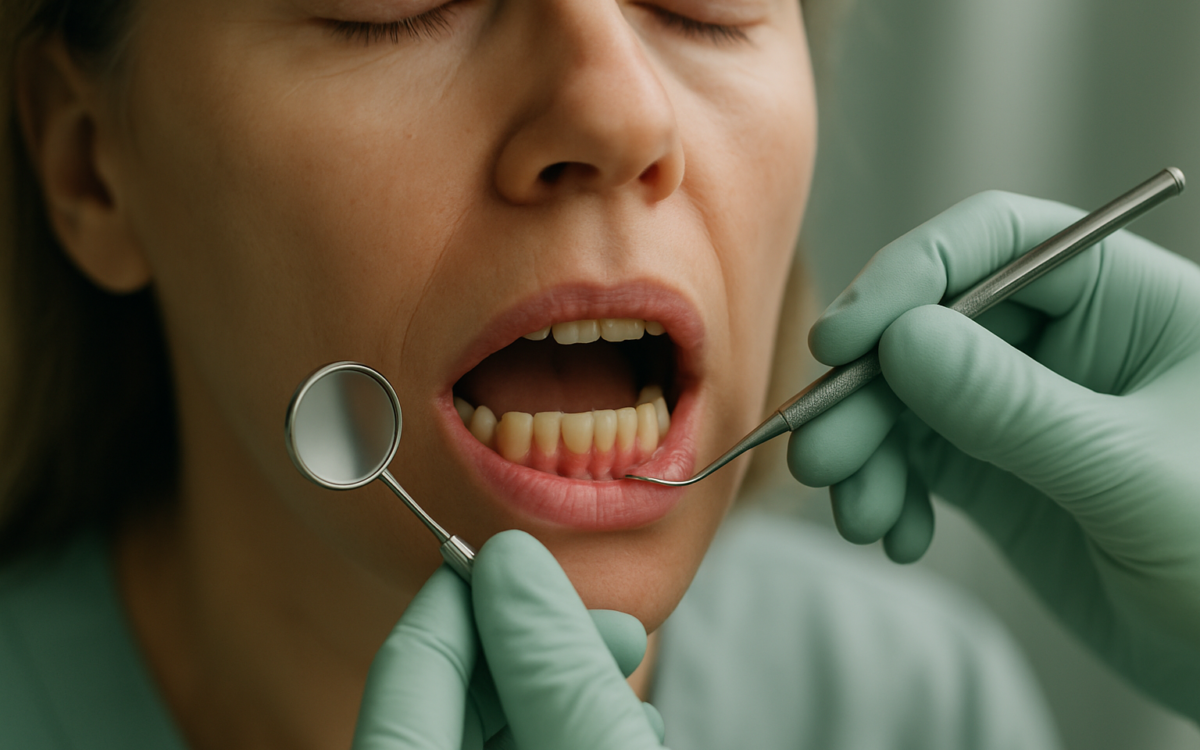
Gum disease, often referred to as periodontal disease, affects millions of people worldwide. Though it can be serious, it is largely preventable and treatable. Understanding what causes gum disease and how to keep your gums healthy is vital for your overall well-being.
What is gum disease?
Gum disease is an infection of the tissues that surround and support the teeth. It starts with gingivitis, the milder form of gum disease, which causes inflammation and swelling of the gums. If left untreated, gingivitis can progress to periodontitis, a more severe condition that can lead to tooth loss and other health issues.
Causes of gum disease
Gum disease is typically caused by a buildup of plaque, a sticky film of bacteria that forms on teeth. Here are some common factors that contribute to its development:
- Poor oral hygiene: Inadequate brushing and flossing allow plaque to harden into tartar, leading to gum irritation.
- Tobacco use: Smoking or chewing tobacco significantly increases the risk of gum disease.
- Genetics: Some individuals may have a genetic predisposition to gum disease.
- Nutrition: A diet low in essential nutrients can impair your immune system and increase the risk of infection.
- Medical conditions: Certain diseases, like diabetes, can increase your risk of gum disease.
Signs and symptoms
Recognizing the early signs of gum disease is crucial for effective treatment. Symptoms can vary, but common indicators include:
- Swollen or puffy gums
- Red or bleeding gums, especially when brushing or flossing
- Persistent bad breath
- Receding gums
- Loose teeth or changes in bite
- Pain or discomfort while chewing
Prevention strategies
Fortunately, gum disease is largely preventable with proper oral care. Here are some steps you can take to maintain healthy gums:
Daily oral hygiene
Brushing your teeth at least twice a day with fluoride toothpaste is essential. Don’t forget to floss daily to remove plaque between teeth where your toothbrush can’t reach.
Regular dental visits
Schedule regular check-ups with your dentist, at least once every six months. Professional cleanings help remove tartar and plaque buildup, which you may not be able to eliminate on your own.
Healthy lifestyle choices
A balanced diet rich in fruits, vegetables, whole grains, and lean proteins supports your immune system and promotes good oral health. Additionally, quitting smoking or any form of tobacco will significantly reduce your risk of gum disease.
Manage existing health conditions
If you have underlying health issues, such as diabetes, managing them properly can help reduce the risk of gum problems. Discuss your concerns with your healthcare provider.
Importance of treatment
If you notice any signs of gum disease, seek treatment as soon as possible. Early intervention can help prevent more severe complications, including tooth loss and more serious health concerns. Your dentist may recommend treatments ranging from deep cleaning to medications or surgery, depending on the severity of your condition.
When to see a doctor
Consult your dentist or healthcare provider if you notice any symptoms of gum disease or have persistent bad breath, bleeding gums, or pain. Early detection and treatment are key to preventing further complications.
Conclusion
Gum disease is a common condition that can significantly impact your oral health. By understanding its causes, recognizing the signs, and implementing effective prevention strategies, you can maintain healthy gums and a beautiful smile. Remember, caring for your dental health not only benefits your mouth but also supports your overall health.
