
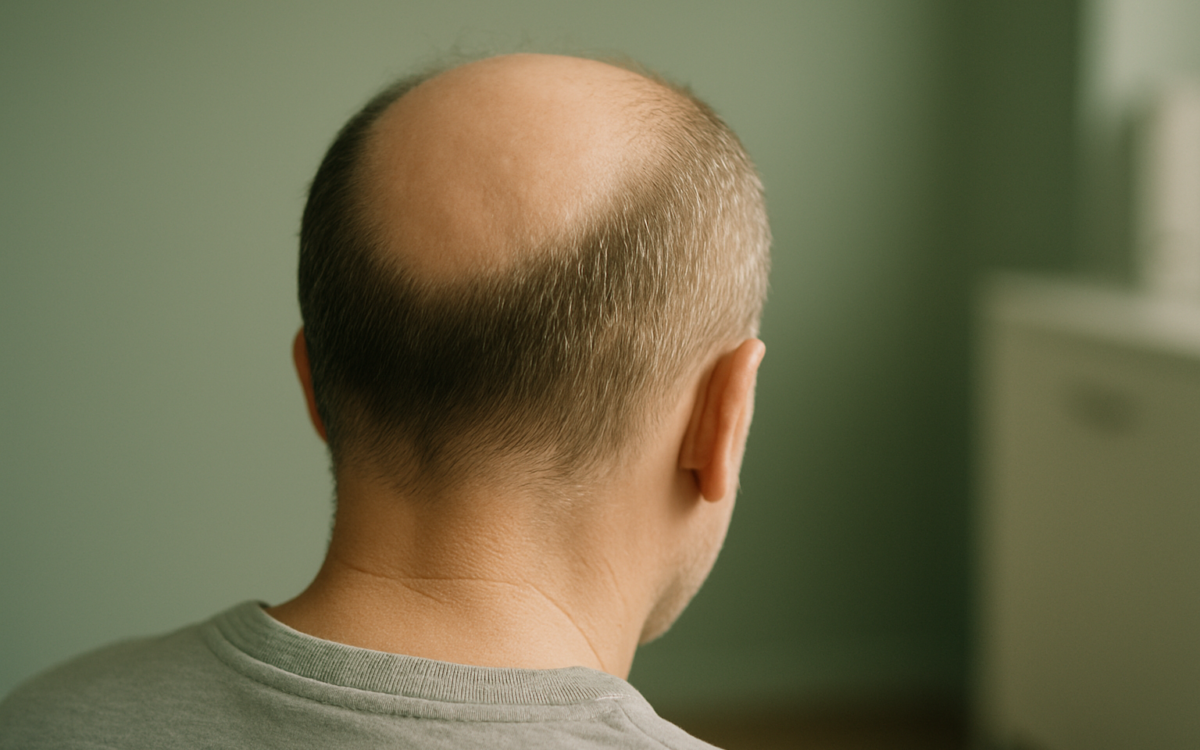
For many men, hair is more than just a feature; it can be a part of their identity. However, hair baldness is a common issue that affects countless individuals at some point in their lives. Understanding the factors behind hair loss can empower men to make informed choices about their hair and overall health.
What is hair baldness?
Hair baldness, also known as alopecia, refers to hair loss that can occur in various forms. The most prevalent type in men is male pattern baldness, scientifically termed androgenetic alopecia. This condition typically manifests as a receding hairline or thinning at the crown of the head, eventually leading to partial or complete baldness.
Causes of hair baldness in men
Understanding the causes of hair baldness is essential for those experiencing hair loss. A combination of genetic factors, hormonal changes, and environmental influences often plays a role:
- Genetics: If baldness runs in your family, you may be more likely to experience it yourself. Genes contribute significantly to male pattern baldness.
- Hormones: Androgens, male hormones, contribute to hair growth and loss. An imbalance or sensitivity to these hormones can trigger baldness.
- Aging: As men age, hair growth slows down, and the hair follicles may shrink, producing thinner hair. Eventually, some follicles may stop producing hair altogether.
- Stress: While stress alone doesn’t cause baldness, it can lead to a temporary form called telogen effluvium, where hair falls out after a stressful event.
- Medical conditions: Conditions such as thyroid disorders, anemia, and autoimmune diseases can contribute to hair loss.
Types of hair loss in men
While male pattern baldness is the most common, several other types of hair loss can occur:
- Alopecia Areata: An autoimmune condition that causes sudden hair loss in patches.
- Telogen Effluvium: A temporary condition often triggered by stress, illness, or medication, causing widespread hair shedding.
- Traction Alopecia: Results from hairstyles that pull on the hair, such as tight ponytails or braids.
Impact of lifestyle on hair health
Lifestyle choices, although not the primary factors behind baldness, can significantly impact the overall health of your hair:
- Nutrition: A balanced diet rich in vitamins and minerals can support healthy hair. Nutrients such as omega-3 fatty acids, iron, and zinc play vital roles.
- Harsh treatments: Frequent hairstyling, chemical processes, and heat can weaken hair, making it more susceptible to damage and loss.
- Stress management: Practicing stress-reduction techniques such as yoga, meditation, or regular exercise can help mitigate hair loss.
Treatment options for hair baldness
For those seeking to address hair baldness, a range of treatment options is available, each varying in effectiveness:
- Medications: Over-the-counter solutions such as minoxidil (Rogaine) may help promote hair regrowth. Prescription medications like finasteride (Propecia) can also be effective.
- Hair transplant surgery: For those experiencing significant hair loss, surgical options can provide a more permanent solution by transplanting hair follicles from other areas of the body.
- Lifestyle changes: Implementing a healthy diet and reducing stress can improve hair health and possibly slow down hair loss.
When to see a doctor
If you notice significant hair loss or changes in your hair pattern, it may be time to consult a healthcare professional. They can help determine if the hair loss is temporary or permanent and recommend suitable treatment options. Seek advice if:
- Your hair loss is rapid or sudden.
- You experience itching, redness, or other unusual symptoms.
- You have a family history of significant hair loss.
Conclusion
Hair baldness in men is a common issue that can stem from various causes, including genetics, hormones, and lifestyle factors. While it can be distressing, understanding the reasons behind it is the first step toward managing the condition. Exploring treatment options and adopting healthy lifestyle choices may help improve hair health. Always consult a healthcare professional for personalized advice and guidance.
