
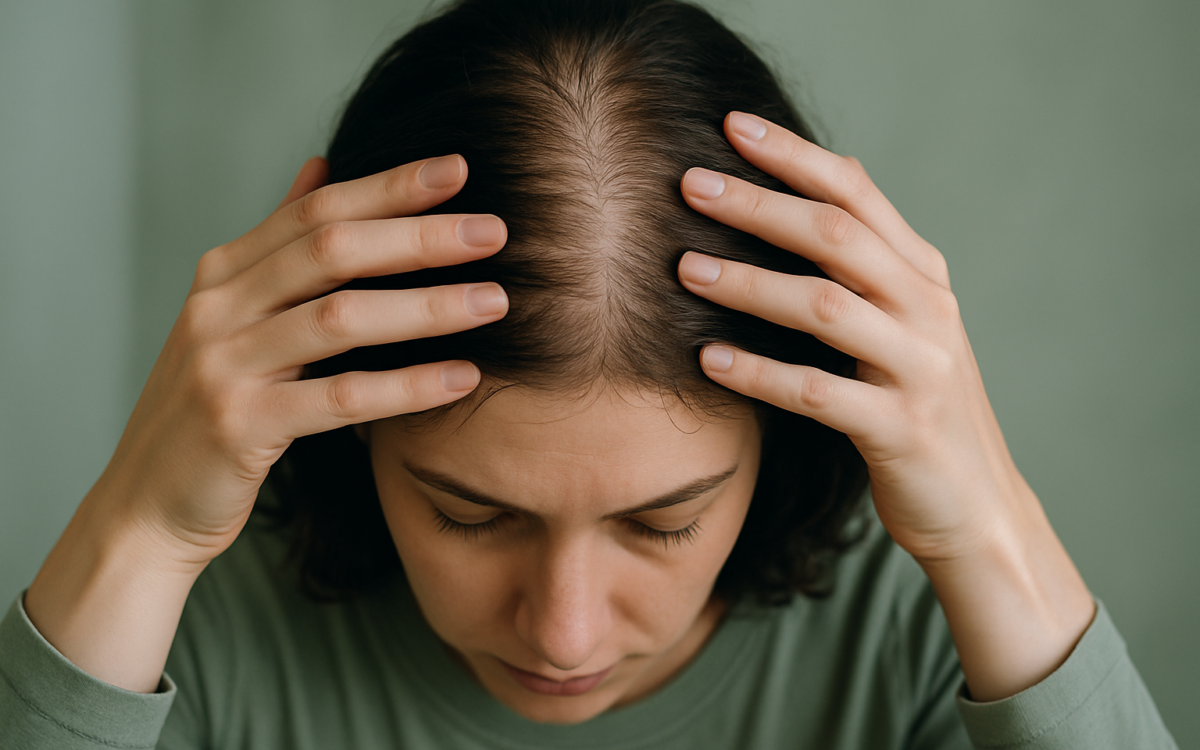
Polycystic Ovary Syndrome (PCOS) is more than just a hormonal disorder—it impacts many aspects of a woman’s health. For many women with PCOS, one of the most distressing symptoms is hair loss. Understanding why this happens and what can be done about it is essential for managing not only this symptom but also the broader condition.
What is PCOS?
PCOS is a common endocrine disorder affecting women of reproductive age. The condition is characterized by hormonal imbalances, which can lead to a variety of symptoms including irregular periods, weight gain, and excessive hair growth in unwanted areas (hirsutism). One lesser-known but significant issue is hair loss on the scalp, also known as androgenic alopecia.
How Does PCOS Cause Hair Loss?
The primary cause of hair loss in women with PCOS is an imbalance in hormones, particularly androgens, such as testosterone. In women with PCOS, the body often produces higher levels of these male hormones, which can lead to thinning hair or bald patches.
During hair growth, hair follicles undergo a cycle of growth, rest, and shedding. The excess androgens can shorten the growth phase, making hair thinner and more prone to falling out. Women with PCOS may also experience an increase in sebum production, which can contribute to an unhealthy scalp. All in all, the imbalance in hormones can significantly impact the health of hair follicles.
Recognizing the Symptoms of Hair Loss
If you suspect that you might be experiencing hair loss due to PCOS, here are some symptoms to look for:
- Thinning hair on the scalp, usually around the crown
- Widening part in your hair
- Increased hair shedding in your brush or on your pillow
- Visible bald patches
- Changes in the texture of your hair such as dryness or brittleness
Treatment Options for Hair Loss in Women with PCOS
Fortunately, there are several treatment options available for women struggling with hair loss due to PCOS. While some may help restore hair growth, others focus on managing the underlying hormonal imbalances. Here are some common approaches:
Medications
Some medications can help with hair loss in women with PCOS. Hormonal treatments, such as oral contraceptives, can help regulate testosterone levels, particularly in those with irregular periods. Additionally, medications like spironolactone can block the effects of androgens on the hair follicles and promote hair growth.
Topical Treatments
Minoxidil is an over-the-counter topical treatment that has been shown to promote hair growth in women with thinning hair. Applying minoxidil to the scalp may help stimulate hair follicles and improve the overall thickness of hair.
Lifestyle Changes
Adopting a healthy lifestyle can also play a significant role in managing PCOS symptoms, including hair loss. Maintaining a balanced diet, regular exercise, and achieving a healthy weight can help regulate hormone levels. Some women find that dietary changes, such as reducing refined carbohydrates and sugar, provide additional benefits. Integrative health approaches may help as well, partnering with your healthcare team to understand what works best for your body.
Alternative Therapies
Some women look to alternative therapies such as acupuncture or herbal supplements to support hair growth and hormonal balance. While scientific evidence on the effectiveness of these treatments varies, many women report improvement in their symptoms. It’s essential to consult with a healthcare provider before starting any new treatments, especially those that may interact with conventional medications.
International Treatment Options
For women seeking additional treatment options, facilities like Acibadem International provide various advanced therapies for managing PCOS and related symptoms. These clinics often offer individualized treatment plans that incorporate both traditional and innovative practices to help women feel their best.
When to See a Doctor
If you are experiencing significant hair loss or other troubling symptoms related to PCOS, it’s essential to speak with a healthcare professional. They can help diagnose your condition and recommend appropriate treatments or lifestyle changes. Early intervention may prevent further hair loss and help you manage your symptoms more effectively.
Conclusion
Hair loss in women with PCOS is a challenging and often emotional experience. Understanding the underlying causes and seeking appropriate treatments can make a significant difference. By working closely with healthcare providers and exploring various options, women can regain not just their hair but their confidence as well.
