
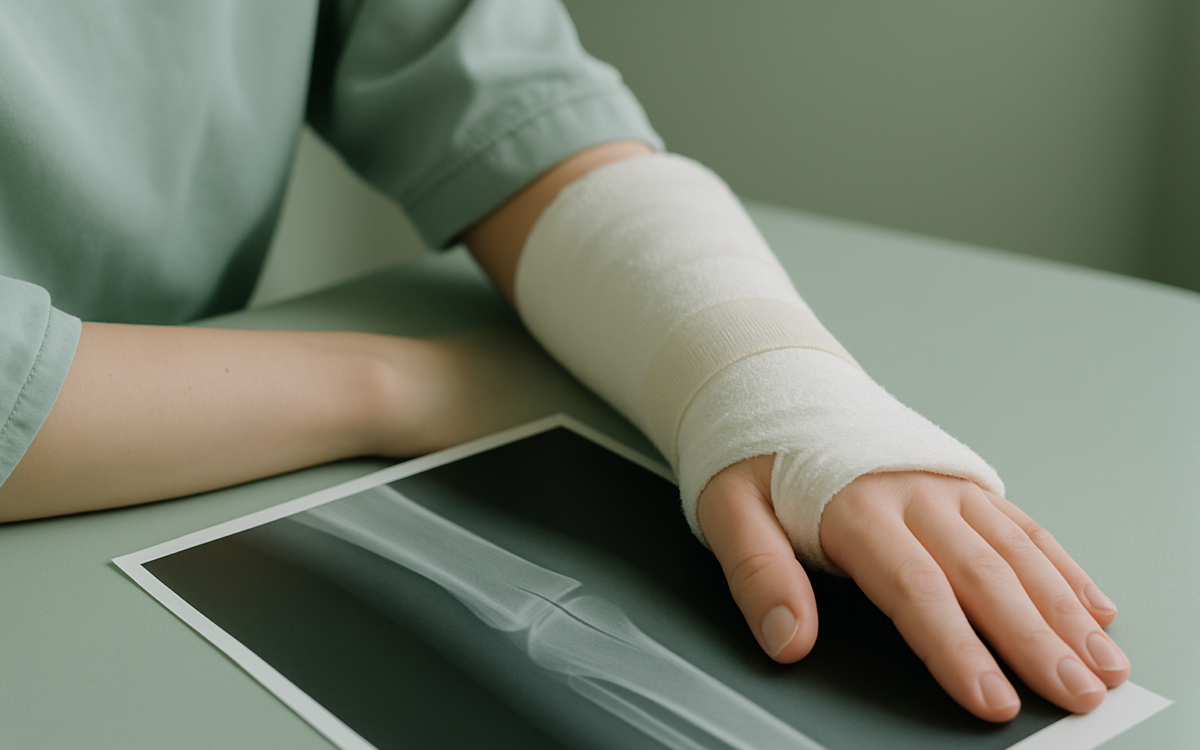
Hairline fractures are often overlooked, yet they can have significant impacts on your health and daily life. Unlike full fractures, which tend to result in severe pain and an obvious break, hairline fractures are small cracks in the bone that may not be immediately noticeable. In this article, we will explore what hairline fractures are, how to identify them, their causes, treatment options, and when it’s essential to seek medical attention.
What is a hairline fracture?
A hairline fracture is a small, thin fracture in a bone. These fractures are sometimes so fine that they can be difficult to detect with standard X-rays. However, they can still result in significant pain and affect your ability to move normally. Hairline fractures are commonly found in weight-bearing bones, such as the foot, leg, and sometimes the pelvis.
Signs and symptoms of hairline fractures
Recognizing the symptoms of a hairline fracture can be challenging. Common signs include:
- Pain: Mild to moderate pain in the affected area, which may worsen with movement.
- Swelling: Localized swelling and tenderness around the fracture site.
- Bruising: Possible bruising in the area where the fracture occurred.
- Difficulty bearing weight: If the fracture is in a weight-bearing bone, it may hurt to walk or stand.
Unlike a complete fracture, you may not hear a snap or feel a sudden severe pain. Instead, the discomfort may develop gradually.
Causes of hairline fractures
Hairline fractures can occur for various reasons, some of which include:
- Overuse: Repetitive activities or excessive exercise can strain bones, leading to hairline fractures. This is especially common among athletes and individuals who engage in high-impact sports.
- Falls: Minor falls or trauma, especially in older adults, can lead to hairline fractures.
- Medical conditions: Conditions like osteoporosis, which weakens bones, can make someone more susceptible to hairline fractures.
Understanding the cause of a hairline fracture can help in determining both treatment and prevention strategies.
Diagnosis of hairline fractures
Diagnosing a hairline fracture often requires a thorough medical evaluation. A healthcare provider will typically start with a physical examination and consider your medical history. To confirm a diagnosis, imaging tests may be necessary. In addition to standard X-rays, doctors may use:
- Magnetic Resonance Imaging (MRI): This provides detailed images of the bones and can help detect hairline fractures that X-rays might miss.
- Bone Scans: A bone scan can also reveal stress fractures that are not visible on standard imaging.
If you suspect you have a hairline fracture, it’s essential to consult a healthcare professional for an accurate diagnosis and treatment plan.
Treatment options for hairline fractures
The treatment for a hairline fracture often depends on its location and severity. Some common management strategies include:
- Rest: Avoid activities that put stress on the affected area. This may mean taking a break from sports or heavy lifting.
- Ice: Applying ice can help reduce swelling and pain.
- Compression: Wearing a brace or supportive wrap can stabilize the area and help in preventing further injury.
- Elevation: Elevating the injured area above the heart can help minimize swelling.
In some cases, physical therapy may be beneficial once the initial pain decreases. A healthcare professional can guide you on when it’s safe to begin gentle exercises that can promote healing and restore strength.
Preventive measures for hairline fractures
Preventing hairline fractures involves adopting a proactive approach to bone health. Here are some tips to help keep your bones strong:
- Nutrition: Ensure your diet is rich in calcium and vitamin D, essential nutrients for bone health. Dairy products, leafy greens, fish, and fortified foods are great sources.
- Exercise: Engage in weight-bearing exercises. Activities such as walking, jogging, or resistance training help strengthen bones.
- Stretching: Regular stretching can improve flexibility and balance, reducing the risk of falls.
- Consult with healthcare providers: If you have conditions like osteoporosis, regular check-ups are essential for monitoring bone health.
Being mindful of your body and its signals can greatly reduce the risk of hairline fractures.
When to see a doctor
If you suspect you may have a hairline fracture due to persistent pain, swelling, or difficulty moving the affected area, it’s important to consult a healthcare provider. Seek immediate medical attention if:
- The pain becomes severe or unbearable.
- You experience significant swelling or deformity.
- You have numbness or tingling in the injured area.
Early diagnosis can lead to more effective treatment and a quicker recovery.
In conclusion, hairline fractures may seem small, but they can significantly affect your lifestyle and mobility. Recognizing the symptoms, understanding the causes, and knowing when to seek medical attention are essential steps in managing this type of injury. By prioritizing bone health through proper nutrition and exercise, you can also reduce your risk of experiencing hairline fractures in the future.
