
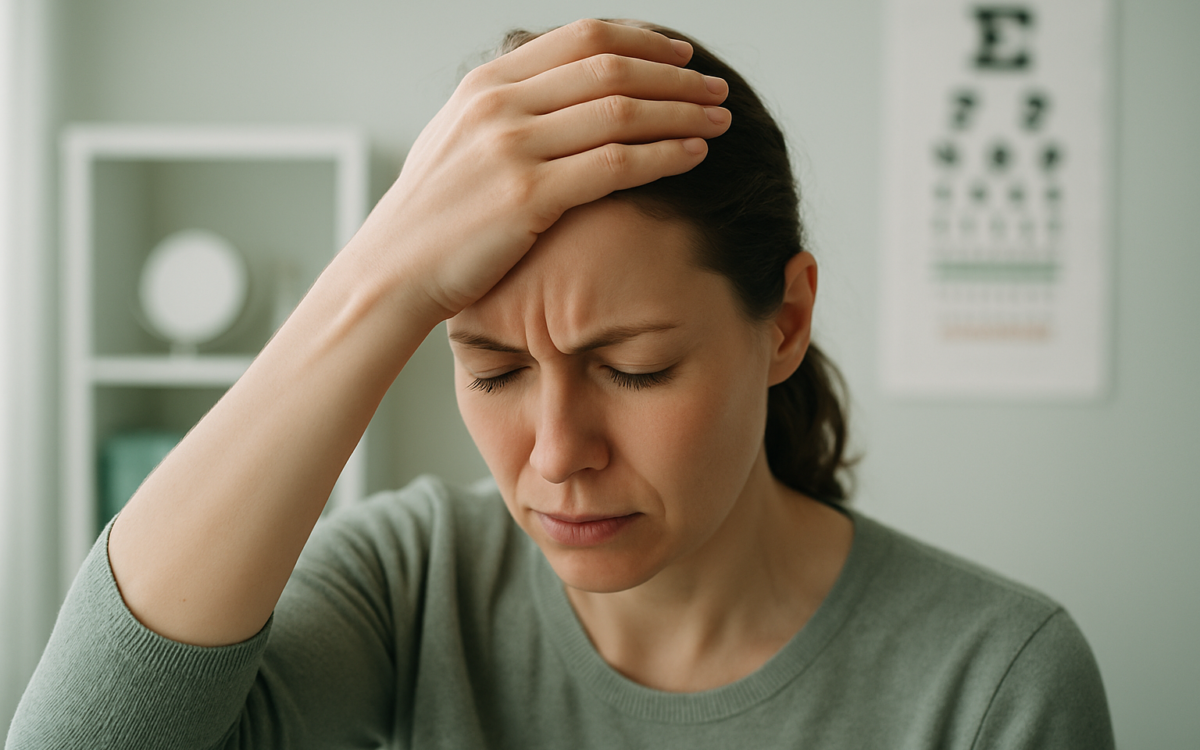
Headaches can be a common occurrence, but when you feel pain at the very top of your head, it can be particularly unsettling. This type of headache can arise for various reasons, ranging from tension and stress to more complex medical conditions. Understanding the causes and remedies can help you find relief and better manage your symptoms.
What causes headaches on the top of the head?
Headaches experienced at the top of the head can stem from a variety of sources. Here are some of the most common causes:
- Tension headaches: Often caused by stress, muscle tension, or poor posture, tension headaches are typically associated with feelings of tightness or pressure around the head.
- Migraines: Though migraines usually occur on one side of the head, they can also manifest at the top. These headaches are often accompanied by other symptoms like nausea and sensitivity to light or sound.
- Cervicogenic headaches: These headaches are linked to issues in the neck. Problems with the cervical spine can lead to referred pain at the top of the head.
- Cluster headaches: While rare, cluster headaches may cause severe pain around the head, including the top. They often occur in cycles and can be quite debilitating.
Identifying the symptoms
Recognizing the symptoms that accompany headaches on the top of your head can help you determine their potential cause. Here are some symptoms to consider:
- Throbbing or constant pain
- Tightness or pressure
- Nausea or vomiting (commonly seen in migraines)
- Sensitivity to light and sound
- Pain that worsens with physical activity or movement
Managing headaches on top of your head
Managing headaches involves addressing both prevention and treatment. Here are some effective strategies:
Lifestyle changes
Sometimes, making simple lifestyle adjustments can significantly reduce headache frequency and intensity:
- Stay hydrated: Dehydration is a common headache trigger.
- Maintain a regular sleep schedule: Poor sleep can lead to headache flare-ups.
- Practice stress management: Techniques such as meditation, deep breathing, and yoga can help ease tension.
Over-the-counter medication
For occasional headaches, over-the-counter medications like ibuprofen or acetaminophen can provide relief. However, they should not be overused, as this can lead to rebound headaches.
Alternative therapies
Many people find relief through alternative treatments. Options include:
- Physical therapy to address neck and upper back issues
- Massage therapy, which can help alleviate muscle tension
- Acupuncture, known for its potential to reduce headache frequency
When to seek international treatment options
If headaches persist or significantly impact your daily life, you may want to explore specialized treatment options. Seeking care from international medical centers can provide access to advanced diagnostic tools and treatments. For example, acibademinternational.com offers a range of headache management programs that could be beneficial for individuals suffering from chronic headaches.
When to see a doctor
While headaches can often be managed at home, certain situations necessitate a visit to your healthcare provider:
- If your headaches are more intense, occur frequently, or change in pattern
- If you experience vision changes, confusion, or difficulty speaking
- If headaches are accompanied by fever, stiff neck, or rash
- If over-the-counter medications do not relieve your pain
Conclusion
Headaches on the top of the head can arise from various underlying causes, and understanding these can help guide your approach to treatment and management. Lifestyle changes, medications, and alternative therapies can be effective in alleviating symptoms. However, never hesitate to consult a healthcare professional for persistent or severe headaches.
