
High blood pressure, also known as hypertension, is a common health condition that affects millions of people worldwide. Often termed the “silent killer,” it can go undetected and untreated for years. Knowing what high blood pressure is, how it’s measured, and the implications for your health can help empower you to take control of your well-being.
What Is High Blood Pressure?
Blood pressure is the force of blood against the walls of your arteries as your heart pumps it around your body. It’s measured in millimeters of mercury (mm Hg) and consists of two readings: systolic and diastolic. The systolic number indicates the pressure when your heart beats, while the diastolic number shows the pressure when your heart rests between beats.
According to the American Heart Association, high blood pressure is defined as having a reading of 130/80 mm Hg or higher. This classification can indicate different stages of hypertension:
- Elevated: Systolic between 120-129 mm Hg and diastolic less than 80 mm Hg.
- Hypertension Stage 1: Systolic between 130-139 mm Hg or diastolic between 80-89 mm Hg.
- Hypertension Stage 2: Systolic 140 mm Hg or higher or diastolic 90 mm Hg or higher.
- Hypertensive Crisis: Systolic over 180 mm Hg and/or diastolic over 120 mm Hg – this requires immediate medical attention.
Why High Blood Pressure Matters
High blood pressure is a significant risk factor for many serious health issues. When the force of blood against your artery walls is too high, it can lead to complications such as:
- Heart Disease: Hypertension can damage the arteries, leading to coronary artery disease and heart attacks.
- Stroke: High blood pressure can rupture blood vessels in the brain or block blood flow, resulting in a stroke.
- Kidney Damage: The kidneys help regulate blood pressure, and chronic hypertension can harm their delicate blood vessels.
- Vision Loss: High blood pressure can cause damage to the blood vessels in the eyes, leading to vision issues.
Understanding these risks highlights the importance of monitoring and managing your blood pressure.
Causes and Risk Factors
High blood pressure often develops over time and can be caused by various factors. Some of the common causes include:
- Genetics: A family history of high blood pressure can increase your risk.
- Age: Blood pressure tends to rise as you age.
- Lifestyle Choices: Poor diet, lack of physical activity, smoking, and excessive alcohol consumption can contribute to hypertension.
- Chronic Conditions: Other health conditions, such as diabetes or sleep apnea, can also lead to high blood pressure.
By identifying these risk factors, you can take steps to manage and potentially lower your blood pressure.
How Is Blood Pressure Measured?
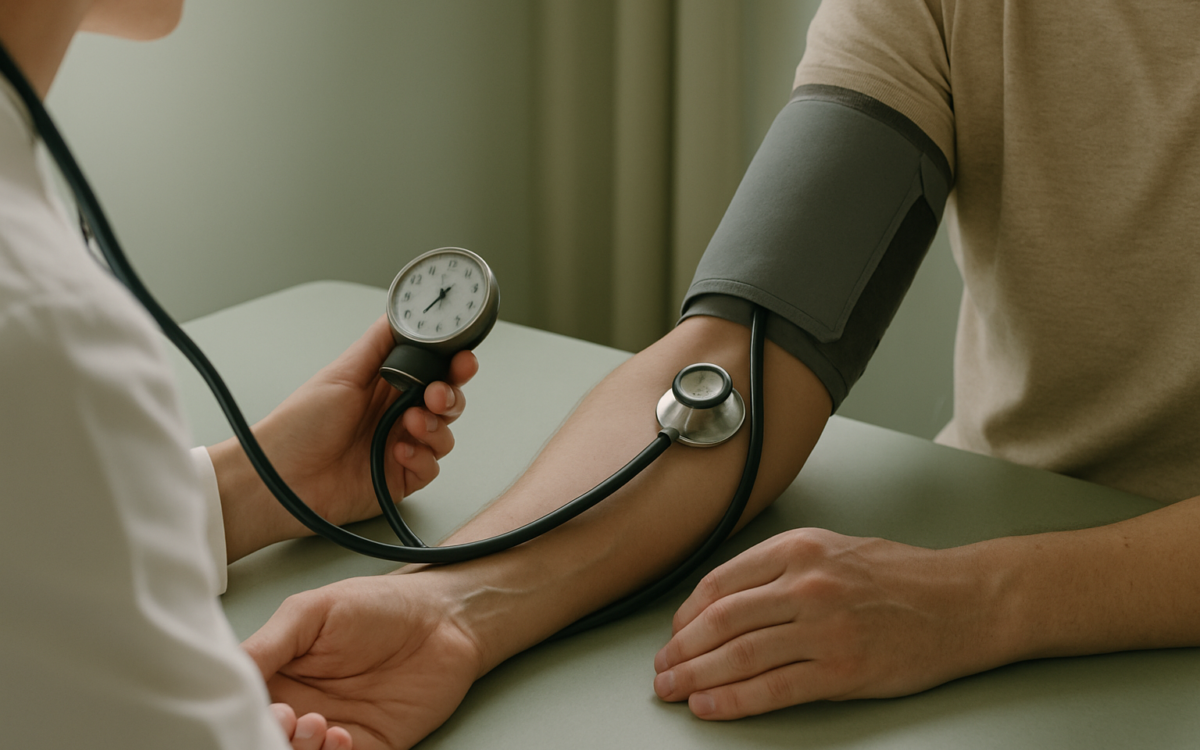
Blood pressure is usually measured using a sphygmomanometer – a device that inflates a cuff around your arm to temporarily stop blood flow. As the cuff deflates, the healthcare provider listens with a stethoscope to determine the systolic and diastolic pressures. Blood pressure readings are categorized into the following groups:
Regular monitoring can help track changes and identify potential problems early on. Individuals should aim to have their blood pressure checked at least once a year, or more frequently if they have risk factors for hypertension.
Lifestyle Changes to Manage Blood Pressure
Making certain lifestyle changes can significantly affect your blood pressure and overall heart health. Here are some effective strategies to consider:
- Healthy Eating: Adopt a balanced diet rich in fruits, vegetables, whole grains, and lean proteins. The DASH diet is particularly beneficial for lowering blood pressure.
- Regular Exercise: Aim for at least 150 minutes of moderate aerobic activity per week. This can include walking, jogging, cycling, or swimming.
- Weight Management: Losing even a small amount of weight can help lower blood pressure if you’re overweight or obese.
- Limit Alcohol and Quit Smoking: Both habits can exacerbate high blood pressure, so reducing alcohol intake and quitting smoking can have positive effects.
When to See a Doctor
If you have concerns about your blood pressure or if you experience symptoms such as headaches, dizziness, or vision changes, it’s essential to consult your doctor. Regular check-ups are vital for early detection and management of high blood pressure.
Conclusion
High blood pressure is a serious condition that can lead to significant health risks if left unmanaged. By understanding what constitutes high blood pressure, recognizing the associated risks, and adopting healthy lifestyle changes, you can take proactive steps toward better health. Don’t hesitate to reach out to your healthcare provider for guidance and to monitor your blood pressure regularly.
