
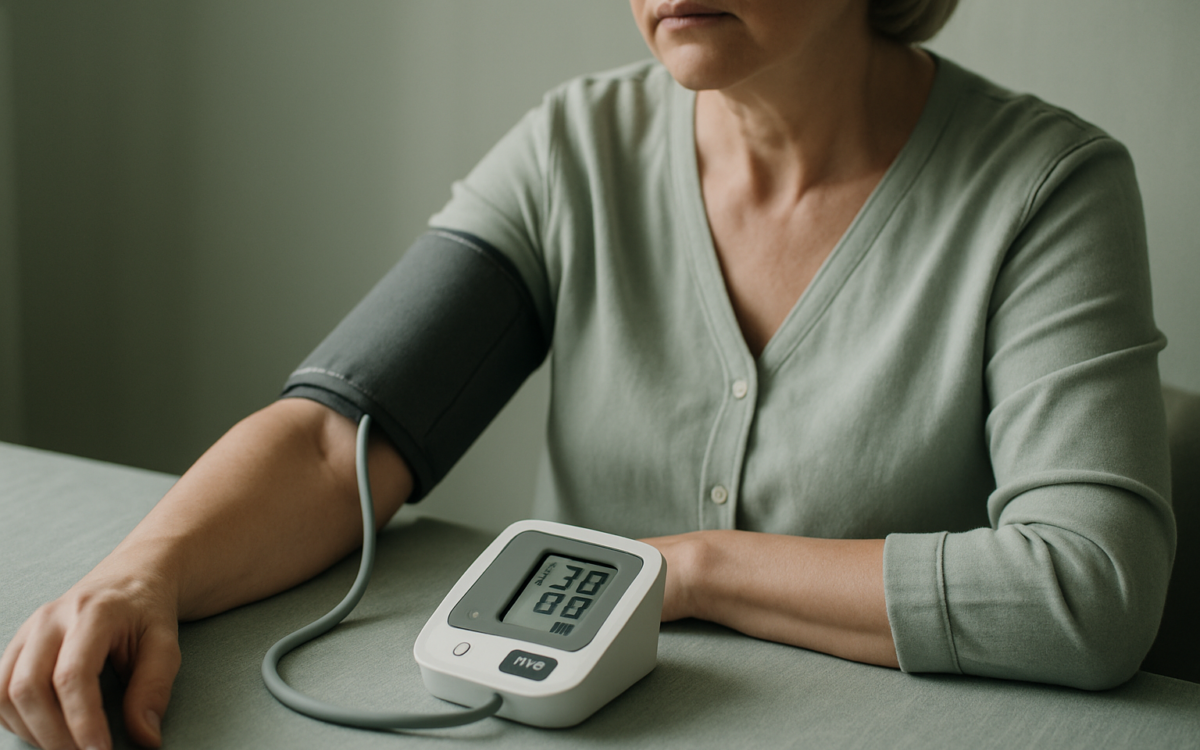
Hypertension, commonly known as high blood pressure, is often called the “silent killer” because it may not present any noticeable symptoms until serious damage has occurred. Understanding the symptoms can be crucial for early detection and management. This article will explore the signs of high hypertension, the potential complications, and how to recognize when it’s time to seek medical help.
What is Hypertension?
Hypertension occurs when the force of the blood against the artery walls is consistently too high. This condition can lead to severe health complications if left untreated, including heart disease, stroke, and kidney failure. Normal blood pressure is typically around 120/80 mm Hg, while hypertension is defined as blood pressure consistently at or above 130/80 mm Hg. Regular monitoring is key to ensuring that your blood pressure remains in a healthy range.
Common Symptoms of High Hypertension
Many people with high blood pressure experience few to no symptoms, making routine check-ups particularly important. However, some individuals may experience symptoms when their blood pressure rises significantly or if they have severe hypertension. Here are some common symptoms to be aware of:
- Severe headaches: Frequent or severe headaches can be a warning sign of extremely high blood pressure.
- Dizziness or light-headedness: Feeling dizzy or faint can occur when blood pressure spikes.
- Nosebleeds: While not a common symptom, sudden nosebleeds can indicate increased blood pressure.
- Shortness of breath: Difficulty catching your breath or feeling winded with minimal exertion can be concerning.
- Blurred vision: Changes in vision, such as blurriness, can occur if the blood pressure affects the eyes.
The Importance of Monitoring Blood Pressure
Since high blood pressure often doesn’t produce symptoms, monitoring your levels regularly is essential for catching any potential issues early. For adults, it is generally recommended to have blood pressure checked at least every two years if readings remain normal. Those with higher readings or risk factors like obesity, diabetes, or a family history of hypertension should be checked more frequently.
Potential Complications of Untreated High Blood Pressure
If left unchecked, high hypertension can lead to serious health problems. Some potential complications include:
- Heart disease: The heart may work harder than normal, leading to issues like heart failure or coronary artery disease.
- Stroke: High blood pressure can lead to blood clots that can result in a stroke, causing serious damage to the brain.
- Kidney damage: Hypertension can affect the blood vessels in the kidneys, leading to kidney disease.
- Vision loss: Hypertensive retinopathy occurs when high blood pressure damages the retina.
Risk Factors for Developing High Hypertension
Understanding the risk factors for hypertension is crucial for prevention. Some key factors include:
- Age: The risk of developing high blood pressure increases as you age.
- Family history: If relatives have had hypertension, you may be at greater risk.
- Weight: Being overweight can increase blood pressure.
- Physical inactivity: Lack of exercise can contribute to weight gain and elevated blood pressure.
- Diet: High salt intake, excessive alcohol, and low potassium intake can increase blood pressure.
When to See a Doctor
If you experience any of the symptoms mentioned above, especially severe headaches, dizziness, or shortness of breath, it’s essential to seek medical advice. Regular check-ups are also crucial if you know you have risk factors associated with hypertension, even if you currently feel fine.
Conclusion
High hypertension can be silent but deadly, making awareness of its symptoms critical for maintaining health. By recognizing the signs and understanding the risk factors, you can take proactive steps toward better cardiovascular health. Continuous monitoring, regular health check-ups, and changing lifestyle factors can play a significant role in managing blood pressure effectively. Always consult your healthcare provider for personalized advice on blood pressure monitoring and management.
