
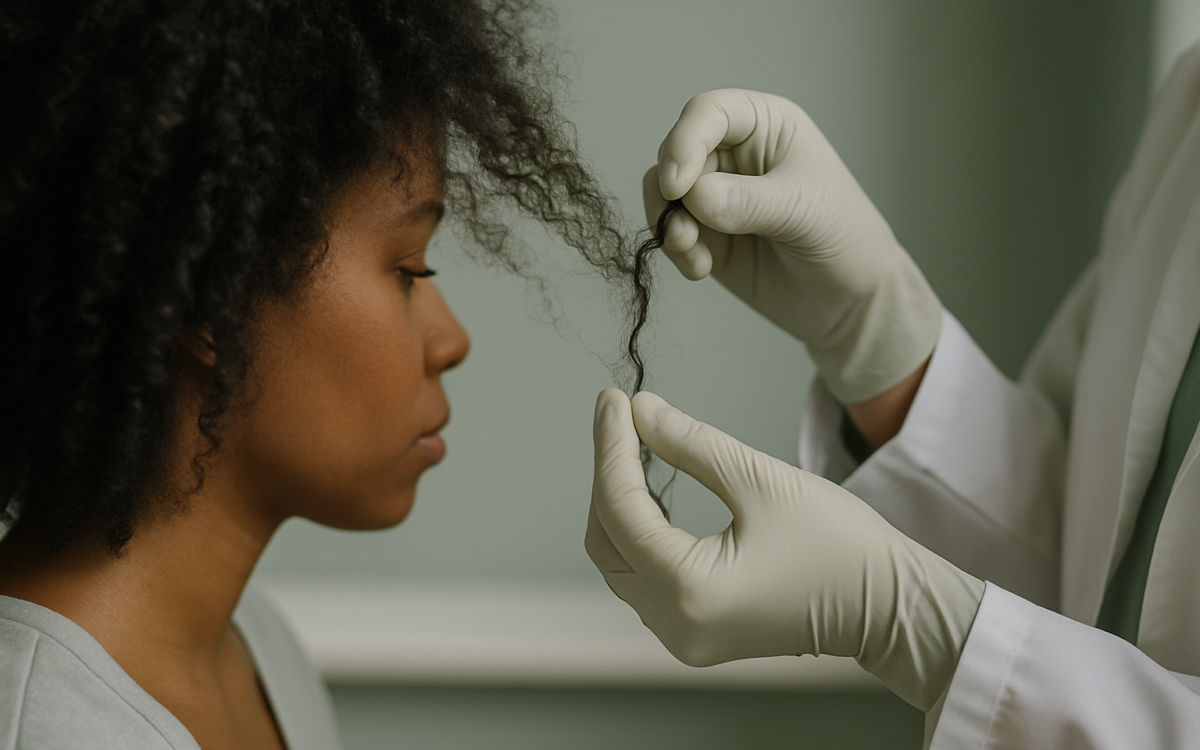
For many people, hair is not just a part of their appearance; it reflects their personality and sense of style. However, hair health can vary greatly from person to person based on various factors, including its porosity. Among different hair types, high porosity hair can present unique challenges and opportunities. Understanding what high porosity hair is and learning how to care for it can significantly impact your hair’s health and appearance.
What is High Porosity Hair?
Hair porosity refers to how well your hair can absorb and retain moisture. It is often categorized into three levels: low, medium (or normal), and high. High porosity hair has a greater ability to absorb moisture but struggles to retain it, meaning it can become dry and frizzy quickly.
Hair with high porosity often has gaps and holes in its cuticle layer, making it easier for water and products to penetrate but also more prone to damage. This condition can be influenced by genetics, the environment, and how hair is treated. Factors such as chemical treatments, heat styling, or environmental stressors can increase porosity.
Identifying High Porosity Hair
Determining if your hair is high porosity can be done with a simple test. Take a few strands of clean, dry hair and place them in a glass of water. If they sink quickly, your hair is likely highly porous. If the hair floats for a while and then gradually sinks, you may have medium porosity, and if it floats for a long time, you most likely have low porosity hair.
Other signs of high porosity hair include:
- Frizz and dryness, even after deep conditioning
- Quick drying time after washing
- Excessive breakage and split ends
- Faded hair color or difficulty retaining dye
How to Care for High Porosity Hair
Caring for high porosity hair requires a thoughtful approach to maintain its health and vibrancy. Here are some effective tips:
1. Hydrate Regularly
Since high porosity hair loses moisture quickly, regular hydration is essential. Opt for lightweight, water-based conditioners and leave-in treatments that help replenish moisture without weighing hair down.
2. Use Protein Treatments
Incorporating protein treatments in your routine can help strengthen and repair hair structure. Look for products containing hydrolyzed proteins such as keratin, silk, or wheat protein. However, use them moderately, as too much protein can lead to stiffness and breakage.
3. Choose the Right Oils
Natural oils can help seal in moisture for high porosity hair. Oils like coconut, olive, and argan have excellent moisturizing properties. Apply them after washing your hair or as a sealant over your leave-in conditioner.
4. Be Gentle with Your Hair
High porosity hair can be prone to breakage. Avoid harsh brushes and tight hairstyles. Instead, use a wide-tooth comb or your fingers to detangle, preferably when your hair is damp, and be gentle to minimize tugging.
5. Limit Heat Styling
Excessive heat can exacerbate damage in high porosity hair. Try to limit the use of heat styling tools, and always apply a heat protectant before styling. Embrace heat-free styling options such as braiding or twisting to create waves.
Nourishing Your Hair from the Inside Out
In addition to external care, internal factors significantly affect hair health. Ensure you maintain a balanced diet rich in vitamins and minerals. Vitamins A, C, D, E, and B-complex, along with minerals like iron and zinc, play crucial roles in hair health. Staying hydrated by drinking enough water can also contribute to your hair’s moisture balance.
Certain Conditions Associated with High Porosity Hair
While high porosity hair itself is not a medical issue, it can sometimes be linked to certain conditions. For example, if you notice extreme porosity coupled with hair loss or scalp irritation, it may be beneficial to consult a healthcare professional. Conditions like hypothyroidism or alopecia can affect hair appearance and health.
When to See a Doctor
If you notice significant changes in your hair that don’t improve with proper care, or if you experience hair loss, scalp conditions, or persistent irritation, it’s best to consult a healthcare professional. They can help rule out underlying medical conditions and guide you on appropriate treatments.
Conclusion
High porosity hair presents unique challenges, but with the right care, it can remain healthy and beautiful. Recognizing its unique needs allows you to tailor your hair care routine effectively. Remember, what works for one person may not work for another, so be patient as you discover what best nourishes your hair.
For more information on hair care and related conditions, you can visit resources like the NIH or Mayo Clinic.
