
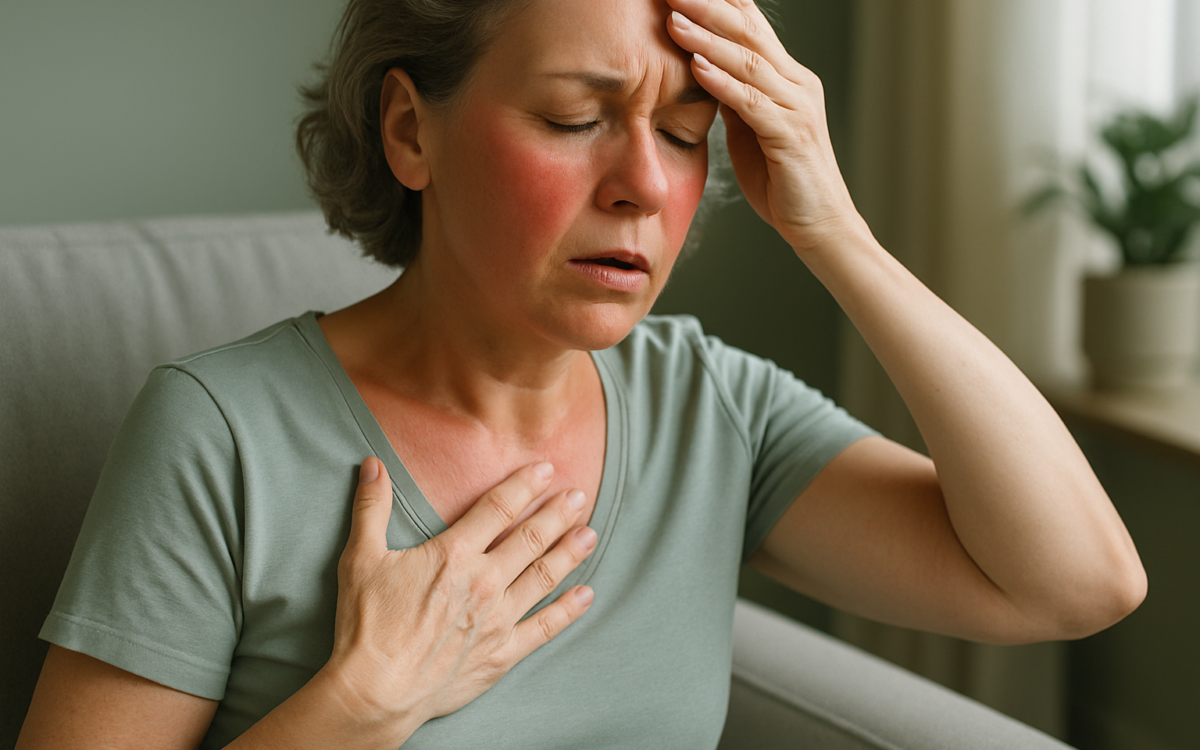
Experiencing a hot flash can be surprising if you’re not prepared for it. This sudden burst of heat can feel both uncomfortable and alarming, particularly when it strikes at the least convenient moment. But what exactly does a hot flash feel like? In this article, we’ll explore the sensations associated with hot flashes, their causes, how long they generally last, and what options are available for managing this common symptom.
What is a hot flash?
A hot flash is a sudden feeling of warmth that spreads over the body, often focused on the face, neck, and chest. It may be accompanied by sweating, chills, or an increased heart rate. Many women report that a hot flash can last from a few seconds to several minutes, making it a disruptive experience.
The sensations of a hot flash
Individuals describe hot flashes in several unique ways, but there are some common sensations that many women experience:
- Heat sensation: The primary sensation of a hot flash is a sudden rush of heat that can make you feel like you’re burning up.
- Sweating: Many women sweat profusely during a hot flash, which can leave clothing damp and uncomfortable.
- Flushing: You may notice your face feels warm or flushed, and this can be accompanied by redness on the neck and chest.
- Rapid heartbeat: A hot flash can cause an increase in heart rate, which may feel like palpitations.
- Chills: After the initial heat sensation fades, some women experience chills as their body cools down.
These sensations can vary significantly from one woman to another, and the experience can change over time.
When do hot flashes occur?
Hot flashes are most commonly associated with menopause, but they can occur at various stages in a woman’s life. They may begin during perimenopause, the transitional phase leading up to menopause, or even during pregnancy or as a side effect of certain medications.
For many women, hot flashes begin to appear as hormonal levels fluctuate, particularly estrogen. When estrogen levels drop, the body’s thermostat becomes more sensitive, resulting in hot flashes and other symptoms.
How long do hot flashes last?
The duration of hot flashes can be quite variable. Some women experience them for a few months, while others endure them for several years. Research suggests that hot flashes might last for an average of 7 years, but this can vary greatly. While some may experience only a few and recover quickly, others may find they persist longer.
During these hot flashes, some women may feel embarrassed or uncomfortable, especially in social situations. However, it’s a natural part of the transition that many women undergo.
Managing hot flashes
While hot flashes can be bothersome, there are a number of strategies and treatments that women can explore to help manage their symptoms:
- Lifestyle Changes: Regular exercise, a balanced diet, and maintaining a healthy weight can reduce the frequency and intensity of hot flashes.
- Layering Clothing: Dress in layers so you can adjust your clothing quickly if you experience a hot flash.
- Cooling Techniques: Use fans or cooling towels, and keep your environment cool to help mitigate the sensation of heat.
- Mind-Body Practices: Techniques such as yoga, meditation, and deep breathing can help reduce stress, which may lessen the frequency of hot flashes.
- Medical Options: Hormone replacement therapy (HRT) and certain medications have been shown to help alleviate symptoms for some women, but it’s important to discuss options with your healthcare provider.
By taking a proactive approach, many women find relief from hot flashes using a combination of these strategies.
When to see a doctor
While hot flashes are a common experience, it’s essential to consult with a doctor if:
- The hot flashes are severe and impacting your daily life.
- You experience any unusual symptoms, such as vivid night sweats or severe fatigue.
- You have concerns about long-term health impacts linked to menopause or hormone changes.
It’s always wise to consult your doctor regarding any changes in your health or if you have specific questions about managing symptoms during menopause. They can provide tailored advice and explore the best options for you.
Conclusion
Hot flashes are a common symptom experienced by many women during menopause and other hormonal shifts. Understanding what a hot flash feels like can help demystify the experience and pave the way for effective management strategies. Though it may feel uncomfortable, various methods exist to help alleviate the symptoms and make this transition smoother.
