
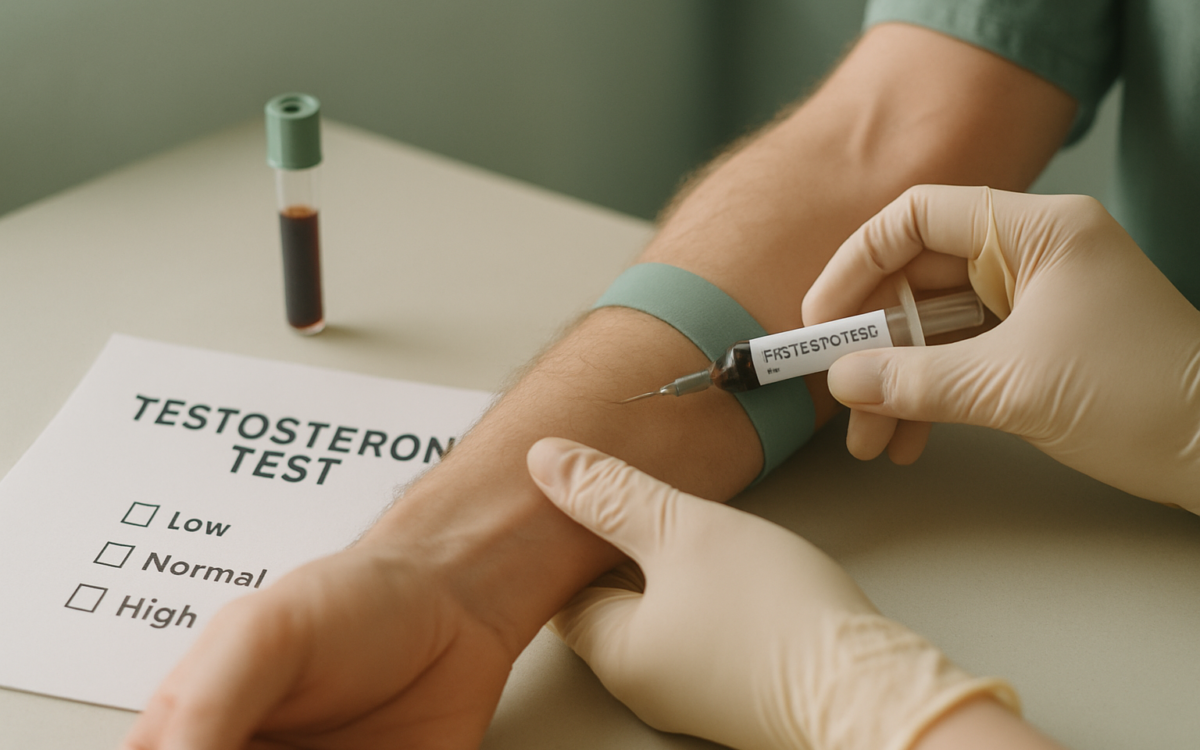
Testosterone is often referred to as the powerhouse hormone that influences many aspects of men’s health, including mood, muscle mass, and libido. Understanding your testosterone levels is crucial, especially if you’re feeling fatigued, experiencing mood changes, or noticing declines in your physical performance. This article will guide you through how to check testosterone levels, why it matters, and what steps you can take next.
What is Testosterone?
Testosterone is a hormone produced mainly in the testes, but it is also synthesized in smaller amounts in the ovaries and adrenal glands. It plays an essential role in maintaining various bodily functions, such as:
- Muscle strength and mass
- Bone density
- Adequate libido
- Mood regulation
- Red blood cell production
If your testosterone levels are abnormal, you may face health issues ranging from fatigue and decreased motivation to more severe conditions such as osteoporosis and diabetes.
Why Check Testosterone Levels?
There are several situations that may warrant a testosterone check. Here are a few reasons:
- Symptoms of Low Testosterone: If you experience fatigue, depression, reduced libido, or muscle loss, checking your testosterone levels can help identify potential underlying causes.
- Status Monitoring: For those undergoing treatments that affect testosterone, such as hormone replacement therapy or medications for prostate cancer, regular checks are often necessary.
- Age-Related Changes: As men age, it’s common to experience a gradual decline in testosterone. Understanding your levels can help you take charge of your health.
A quick discussion with a healthcare provider can help determine whether you need to check your testosterone levels.
How to Check Testosterone Levels
Checking your testosterone levels typically involves a blood test. Here’s a detailed step-by-step guide to help you understand the process:
- Consult with a Doctor: The first step is meeting with your healthcare provider to discuss your symptoms and concerns. They will review your medical history and perform a physical examination.
- Order a Blood Test: If your doctor finds it necessary, they will order a testosterone test. This usually involves drawing blood, often in the morning when testosterone levels are highest.
- Laboratory Analysis: The blood sample will be sent to a lab, where technicians will analyze your testosterone levels. It may take a few days to get the results.
- Follow-Up Appointment: Once your results are available, schedule a follow-up appointment to review them with your doctor. They will explain what the results mean and if there are any further steps.
It’s worth noting that testosterone exists in several forms in the blood, including total testosterone and free testosterone. Total testosterone measures the quantity of both bound (to proteins) and unbound testosterone, while free testosterone measures only the unbound active hormone. Depending on your symptoms and the initial results, your doctor may recommend additional testing.
Interpreting the Results
Testosterone levels are measured in nanograms per deciliter (ng/dL). Normal levels can vary based on factors like age and the individual laboratory. Generally, the accepted range for adult males is:
- 300 to 1,000 ng/dL is considered normal
- Below 300 ng/dL may indicate low testosterone, or hypogonadism
If you find yourself with low testosterone levels, it’s crucial to discuss your results thoroughly with your doctor. They can help you understand the implications and potential treatment options. It’s essential to remember that a single low reading doesn’t always warrant treatment; factors such as overall health, lifestyle, and symptoms play a significant role.
Possible Treatments for Low Testosterone
Should you find out that your testosterone levels are low, your doctor might suggest a few treatment options, including:
- Testosterone Replacement Therapy (TRT): This can come in various forms, including injections, patches, gels, or pellets. TRT aims to restore testosterone levels to a normal range.
- Lifestyle Changes: Simple changes like regular exercise, a healthy diet, adequate sleep, and stress management can significantly influence testosterone levels.
- Addressing Underlying Conditions: Sometimes low testosterone is a symptom of other medical issues. Managing these can improve testosterone production.
As with any treatment, it’s vital to consult with a healthcare professional to discuss the best approach tailored for you.
When to See a Doctor
If you’re experiencing symptoms like fatigue, mood swings, or changes in libido, it could be worthwhile to consult your doctor. Timely advice and testing can lead to effective management of your symptoms and overall health. Additionally, if you notice significant changes in your body that you can’t explain, don’t hesitate to reach out to a medical professional.
Conclusion
Understanding how to check testosterone levels is an important aspect of maintaining men’s health. Being proactive about assessing your testosterone can help identify underlying issues and guide you towards the right treatment options. If you’re curious about your levels or experiencing concerning symptoms, reach out to your healthcare provider. They can provide guidance tailored to your individual needs and support you on your journey towards better health.
