
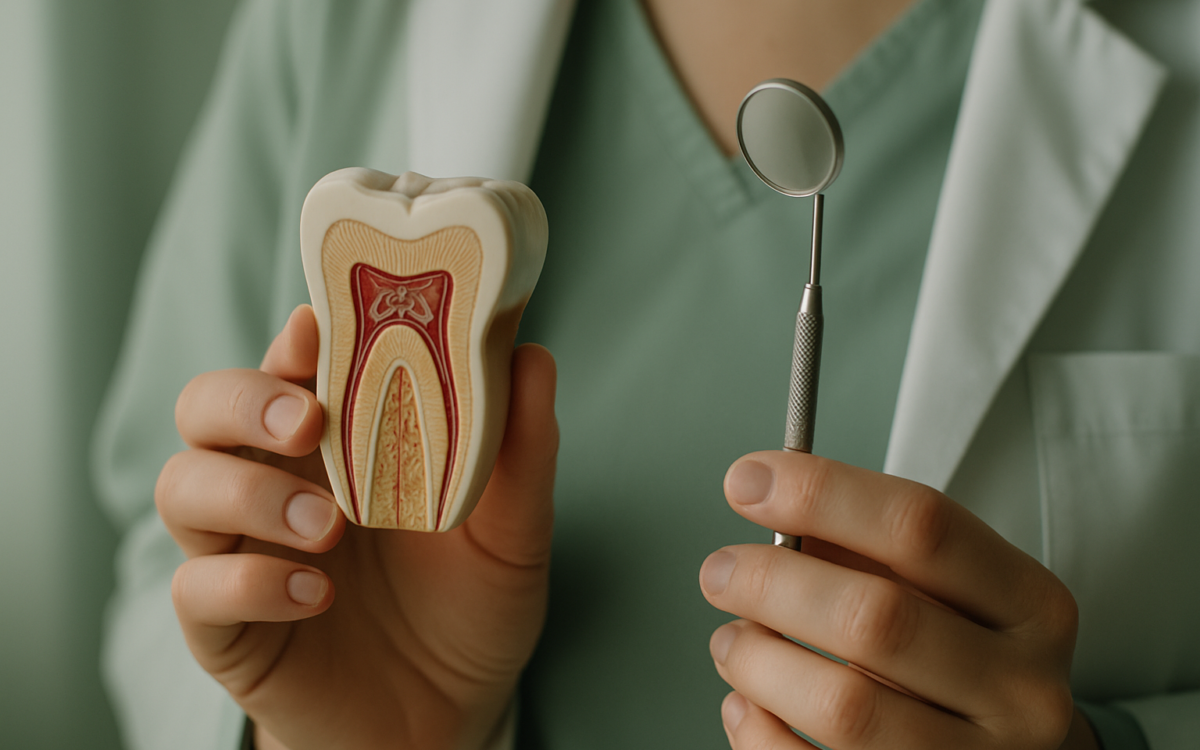
Teeth are an essential part of our anatomy, playing a critical role in how we eat, speak, and even smile. As we grow, the number of teeth we have changes. Understanding how many teeth humans have can illuminate not just our dental development but also the importance of maintaining good oral health.
Baby Teeth: The Starting Set
Most children begin to sprout their first teeth around the age of six months. These initial teeth, commonly referred to as baby teeth or primary teeth, set the stage for proper oral development. Typically, infants will end up with a total of 20 baby teeth by the time they reach the age of three.
The Transition to Adult Teeth
As children grow, their primary teeth will gradually fall out, making way for permanent adult teeth. This transition usually starts around the age of six and continues until around age twelve. It’s a natural part of development, marking progress from childhood to adolescence.
How Many Adult Teeth Do We Have?
Humans typically have 32 permanent teeth, including the four third molars, commonly known as wisdom teeth. The breakdown of adult teeth includes:
- 8 Incisors (4 upper, 4 lower)
- 4 Canines (2 upper, 2 lower)
- 8 Premolars (4 upper, 4 lower)
- 12 Molars (6 upper, 6 lower, including 4 wisdom teeth)
Function and Importance of Different Types of Teeth
Each type of tooth serves a unique purpose in dental health and function:
Incisors
These are the flat-edged teeth at the front of your mouth. Their main role is to bite into food. Incisors are typically used for cutting up food, such as fruits and vegetables.
Canines
Located next to the incisors, canines are pointed and are primarily used for tearing food. They are strong and play an important role in eating tougher substances.
Premolars
Premolars have a flat surface and are positioned behind the canines. They are essential for crushing and grinding food, making the chewing process more efficient.
Molars
Molars are the largest teeth in the mouth, found at the back. They have a broad surface for chewing and grinding. Wisdom teeth, or third molars, often come in during late adolescence or early adulthood and can cause issues if they don’t have enough room to emerge.
Variations in Tooth Count
While 32 teeth is the standard for adults, some people may have more or fewer due to various factors:
- Extraction: Teeth may be removed due to decay or trauma.
- Congenital Absence: Some individuals are born without certain teeth.
- Supernumerary Teeth: Rarely, some may develop extra teeth, known as hyperdontia.
Taking Care of Your Teeth
Maintaining a healthy set of teeth is crucial. Here are some fundamental tips to keep your dental health in check:
- Brush Twice a Day: Using fluoride toothpaste helps prevent decay.
- Floss Daily: Flossing removes plaque and food particles between teeth that a toothbrush can miss.
- Regular Dental Check-ups: Regular visits to the dentist ensure that any issues are caught early.
- Avoid Sugary Foods: Limit the intake of sugar to reduce the risk of cavities.
When to See a Doctor
Pay attention to your dental health and consult a dentist if you experience:
- Persistent toothache
- Swelling around your gums
- Loosening teeth
- Difficulty in chewing or biting
Conclusion
Teeth play a vital role in our daily lives, from helping us eat to contributing to our overall health. Knowing how many teeth humans have helps us appreciate the complexity of dental anatomy. Prioritizing dental care through proper hygiene practices and regular check-ups ensures that your teeth stay strong and healthy for years to come. For more on dental health and hygiene practices, you can visit resources provided by the Mayo Clinic and the NIH.
