
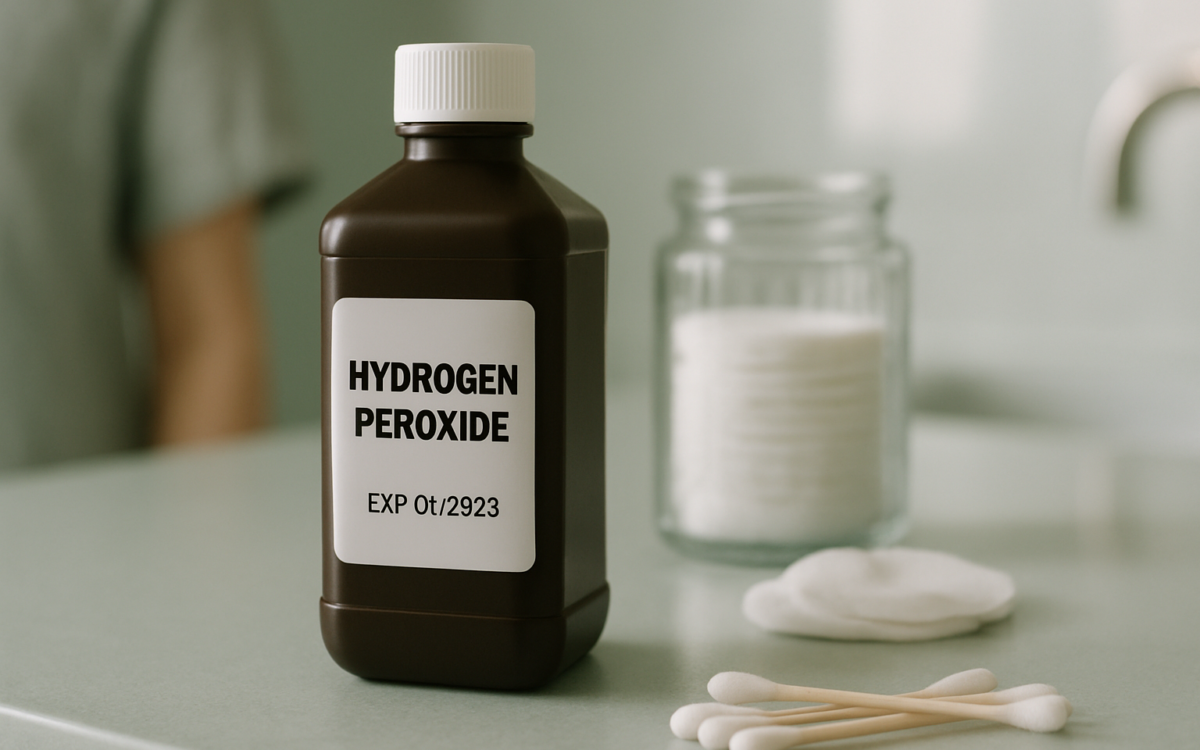
Hydrogen peroxide is a common household product known for its disinfecting and cleaning properties. From first-aid kits to bathroom cabinets, it’s often found in many homes. But have you ever wondered whether hydrogen peroxide can go bad? And if so, how can you tell when it has? In this article, we’ll explore the shelf life of hydrogen peroxide, proper storage methods, signs of degradation, and more.
What is hydrogen peroxide?
Hydrogen peroxide (H2O2) is a pale blue liquid that appears colorless in dilute solutions. It is a strong oxidizer and is primarily used as a disinfectant, bleaching agent, and oxidizing agent. In lower concentrations (typically around 3%), it is commonly used for cleaning wounds and as a household sanitizer. In higher concentrations, it has industrial applications.
Does hydrogen peroxide go bad? Understanding its shelf life
Like many products, hydrogen peroxide does have a shelf life. When stored properly, a typical bottle of 3% hydrogen peroxide can last about one to three years after opening, though some sources suggest it may still be effective for up to six months after that date. However, over time, the molecules in hydrogen peroxide break down into water and oxygen, which means that its disinfecting properties can diminish.
Proper storage methods
To maximize the lifespan of hydrogen peroxide, proper storage is crucial. Here are some tips:
- Dark and cool environment: Store hydrogen peroxide in a dark place, like a medicine cabinet or cupboard, away from direct sunlight. Light and heat can accelerate the breakdown process.
- Keep it sealed: Ensure the cap is on tightly to minimize air exposure. Hydrogen peroxide reacts with contaminants and can lose effectiveness faster when exposed to air.
- Avoid plastic containers: It’s best to keep hydrogen peroxide in its original brown bottle or another opaque container. Transparent containers allow light to penetrate, which can speed up degradation.
Signs that hydrogen peroxide has gone bad
There’s a simple test to check if your hydrogen peroxide is still effective. Pour a small amount into a bowl or sink. If it bubbles vigorously, it’s still good. If you see little to no bubbling, it’s likely past its prime. Other signs that hydrogen peroxide has gone bad include:
- Change in color: If the solution appears darker than usual, it may have degraded.
- Smell: Although hydrogen peroxide has a slightly sharp smell, a strong, off odor may indicate contamination.
Using expired hydrogen peroxide
If your hydrogen peroxide has indeed gone bad, it’s typically not harmful. However, it won’t be effective for disinfection or cleaning purposes. For medical and cleaning tasks, it’s better to use a fresh supply to ensure you are getting the necessary antimicrobial benefits.
Is it safe for all uses?
Hydrogen peroxide is generally safe when used as directed. It’s important to remember that higher concentrations (above 10%), which are typically used for industrial purposes, can be hazardous and should be handled with care. If misused, it can cause skin irritation or burns. Always consult product labels for appropriate usage guidelines. It’s also wise to consult your doctor or healthcare provider if you’re unsure about using hydrogen peroxide for medical purposes.
When to see a doctor
If you experience any irritation, burns, or allergic reactions after using hydrogen peroxide, seek medical attention promptly. Also, consult with a healthcare professional if you have any concerns about using hydrogen peroxide for wound care or other health-related purposes. For more detailed health information, you can visit reliable sources like the NIH or the Mayo Clinic.
Conclusion
In summary, hydrogen peroxide can go bad, but when stored correctly, it has a notable shelf life. Always check for signs of degradation and ensure you are using it safely for its intended purposes. By following proper storage methods and being aware of its effectiveness, you can make the most out of this versatile household product.
