
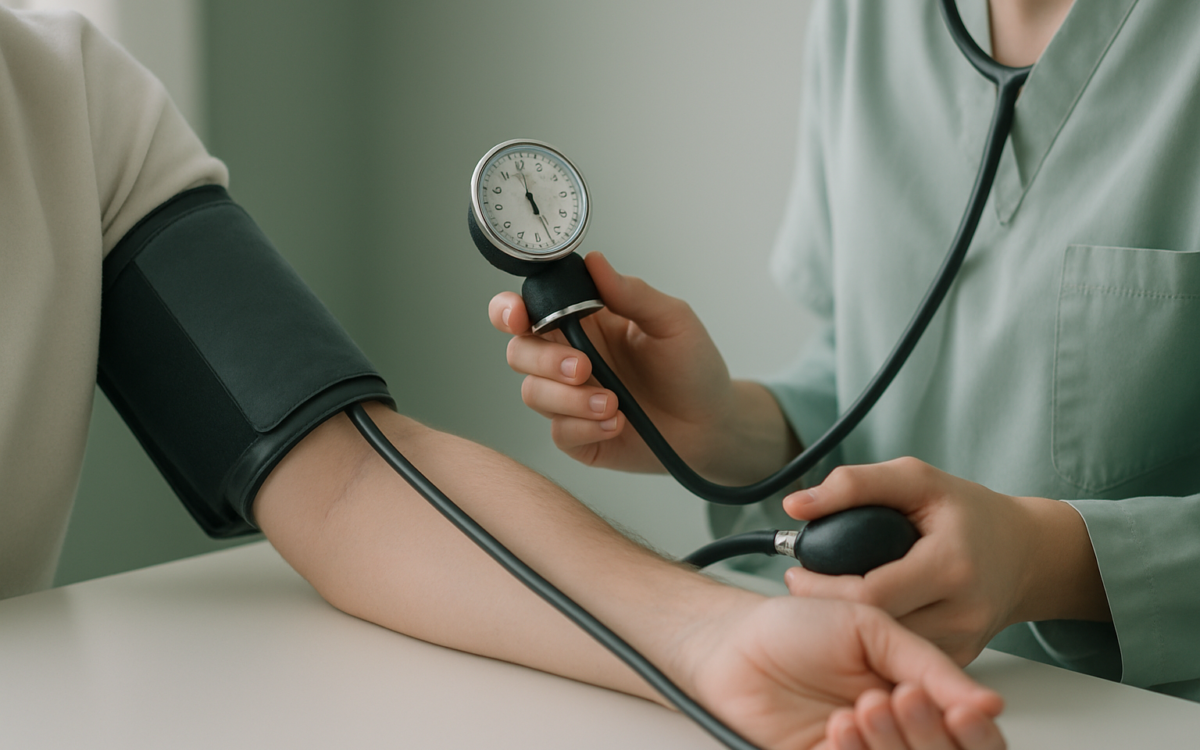
Hypertension, often referred to as high blood pressure, is a condition that affects a significant portion of the global population. It’s often called the ‘silent killer’ because it usually has no obvious symptoms, yet it can lead to serious health issues if left untreated. Understanding what hypertension is, its causes, symptoms, and management can empower you to take charge of your health.
What is Hypertension?
Hypertension is defined as the condition where the force of the blood against your artery walls is consistently too high. It is measured in millimeters of mercury (mm Hg) and recorded with two figures: systolic (the pressure when your heart beats) over diastolic (the pressure when your heart rests between beats). According to the National Heart, Lung, and Blood Institute, normal blood pressure is below 120/80 mm Hg. A reading of 130/80 mm Hg or higher is considered hypertension.
The Types of Hypertension
Hypertension can be categorized into two main types:
- Primary Hypertension: Also known as essential hypertension, this type develops gradually over many years and doesn’t have a specific identifiable cause. Genetic factors, unhealthy lifestyle choices, and environmental influences play a significant role in its development.
- Secondary Hypertension: This type is caused by underlying conditions such as kidney disease, adrenal gland tumors, or certain medications. It can appear suddenly and lead to higher blood pressure than primary hypertension.
Risk Factors for Hypertension
Several factors increase the risk of developing hypertension. These include:
- Age: Blood pressure tends to rise with age due to blood vessel stiffness.
- Family History: A family history of hypertension increases your chances of developing it yourself.
- Lifestyle Factors: Poor diet (high in salt, alcohol, and saturated fats), lack of physical activity, obesity, and tobacco use are closely linked to hypertension.
- Chronic conditions: Conditions such as diabetes or sleep apnea can contribute to the development of hypertension.
Symptoms of Hypertension
Hypertension is often called the silent killer for a reason: It typically does not cause noticeable symptoms. Some people may experience headaches, shortness of breath, or nosebleeds, but these symptoms typically occur only in severe cases. The most effective way to know your blood pressure status is through regular check-ups. According to the World Health Organization, many individuals with hypertension do not even realize they have it, emphasizing the importance of proactive monitoring.
Managing and Treating Hypertension
Managing hypertension often requires a multi-faceted approach, including lifestyle changes and, in some cases, medication. Here are several strategies to consider:
- Dietary Changes: Adopting a heart-healthy diet, such as the DASH (Dietary Approaches to Stop Hypertension) diet, can significantly impact blood pressure. This diet emphasizes fruits, vegetables, whole grains, and lean protein while reducing salt intake.
- Regular Physical Activity: Aim for at least 150 minutes of moderate aerobic exercise each week to help lower blood pressure.
- Weight Management: If you’re overweight, losing even a small amount of weight can help reduce your blood pressure.
- Avoiding Tobacco and Limiting Alcohol: Both smoking and excessive alcohol consumption can lead to higher blood pressure.
- Medications: If lifestyle changes are not enough, your healthcare provider may prescribe medications to help control your blood pressure. There are several classes of medications, including diuretics, ACE inhibitors, and beta-blockers, that can be effective.
The Importance of Regular Check-Ups
Regular check-ups are essential for monitoring your blood pressure and overall health. Blood pressure can fluctuate based on various factors, including stress, diet, and time of day. Routine check-ups can help detect hypertension early, allowing for timely management and lowering the risk of complications.
When to See a Doctor
If you have concerns about your blood pressure, or if you experience severe headaches, vision problems, or other unusual symptoms, it is important to consult with a healthcare professional. They can provide personalized advice and develop a management plan tailored to your needs.
In summary, understanding hypertension and its potential health impacts is vital for maintaining good health. By staying informed, making healthy choices, and working closely with your healthcare provider, you can effectively manage your blood pressure and support your overall well-being.
