
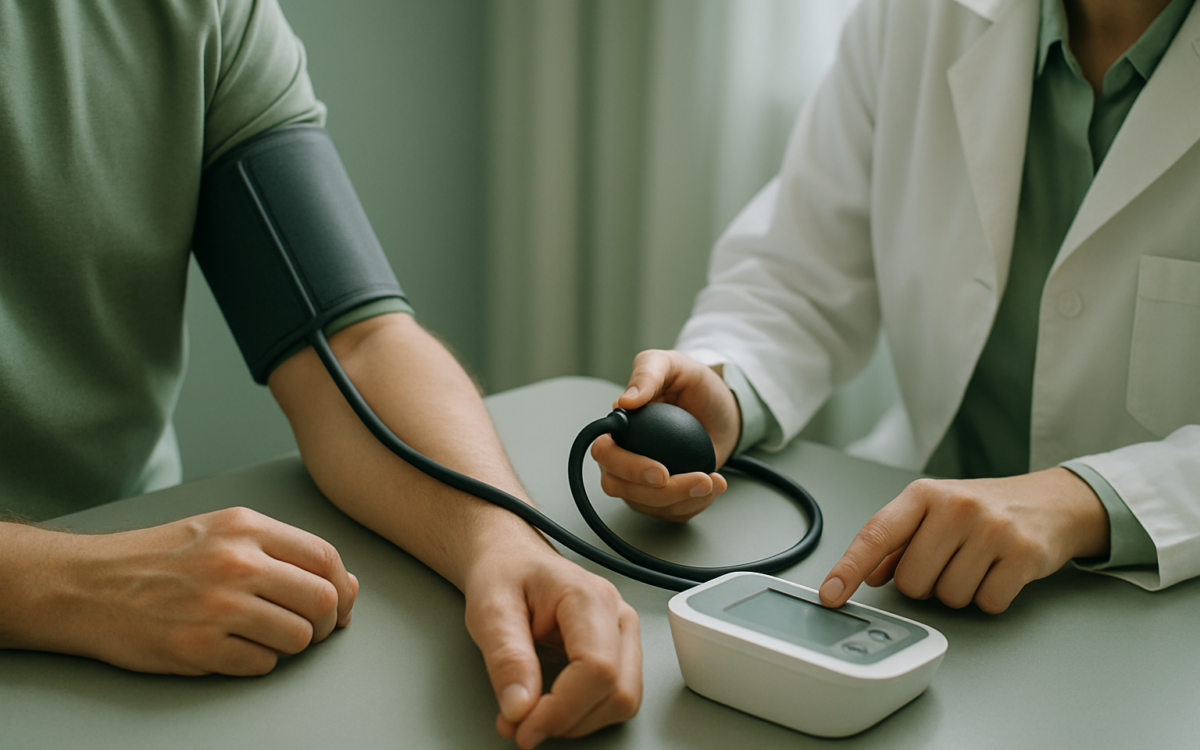
Hypertension or high blood pressure is often referred to as the ‘silent killer’ because it usually has no noticeable symptoms. Many people might not even know they have it until they undergo routine checks. This makes understanding hypertension crucial for preventive health, as untreated high blood pressure can lead to serious health complications, including heart disease and stroke.
What is Hypertension?
Hypertension occurs when the force of blood against your artery walls is consistently too high. Blood pressure is measured in millimeters of mercury (mm Hg) and is represented with two numbers. The first, or systolic pressure, measures the pressure in your arteries when your heart beats. The second, or diastolic pressure, measures the pressure in your arteries when your heart is at rest between beats. A normal blood pressure reading is typically around 120/80 mm Hg.
The Different Types of Hypertension
Hypertension is broadly classified into two main categories:
- Primary Hypertension: This type develops gradually over many years and typically has no identifiable cause. It is often linked to genetic factors, poor diet, lack of physical activity, and obesity.
- Secondary Hypertension: This form is caused by an underlying condition, such as kidney disease, hormonal disorders, or the use of certain medications. It can appear suddenly and lead to higher blood pressure than primary hypertension.
Risk Factors for Hypertension
Understanding the risk factors associated with hypertension can empower you to make healthier choices. Here are some common contributors:
- Age: The risk increases as you get older.
- Family History: If your parents or siblings have high blood pressure, your risk may be higher.
- Weight: Being overweight or obese increases your risk for hypertension.
- Diet: A diet high in sodium, saturated fats, and added sugars contributes to high blood pressure.
- Physical Inactivity: Lack of regular exercise can contribute to weight gain and increased blood pressure.
- Smoking and Alcohol Consumption: Both smoking and high alcohol intake can raise blood pressure.
Signs and Symptoms of Hypertension
Many people with hypertension do not experience noticeable symptoms, making regular blood pressure monitoring essential. However, in severe cases, symptoms can occasionally arise:
- Headaches
- Dizziness
- Nosebleeds
- Shortness of breath
- Chest pain
Keep in mind that these symptoms may not occur until blood pressure reaches dangerously high levels.
Managing and Treating Hypertension
Fortunately, hypertension can often be controlled and managed effectively. Here are several methods that could help:
- Healthy Diet: Embrace a balanced diet rich in fruits, vegetables, whole grains, and lean proteins. The DASH diet (Dietary Approaches to Stop Hypertension) is a popular recommendation.
- Regular Exercise: Aim for at least 150 minutes of moderate aerobic activity each week, such as brisk walking or cycling.
- Weight Management: Losing even a small amount of weight can help reduce blood pressure.
- Limit Sodium Intake: Reducing sodium intake to less than 2,300 mg per day can be beneficial.
- Reduce Alcohol Consumption: Limiting drinks can help lower blood pressure.
- Quit Smoking: Smoking cessation can improve overall heart health.
In some cases, your doctor may prescribe medications to help lower blood pressure if lifestyle changes alone are not enough. It’s vital to take these medications as directed and discuss any concerns with your healthcare provider.
Complementary Therapies
Some people find that complementary therapies can support their overall health and well-being. Options include:
- Stress Management Techniques: Practices like yoga, meditation, and deep breathing exercises can help manage stress levels that contribute to high blood pressure.
- Acupuncture: Some studies suggest that acupuncture may have a positive effect on lowering blood pressure, though more research is needed.
- Herbal Remedies: Consult with a healthcare professional before trying herbal supplements, as they can interact with medications.
Keep in mind that while these methods may assist in managing hypertension, they should complement traditional medical care rather than replace it.
When to See a Doctor
If you know or suspect that you have hypertension, it’s crucial to consult a healthcare provider for regular check-ups and monitoring. Seek immediate medical attention if you experience severe headaches, vision changes, or shortness of breath, as these could indicate a hypertensive crisis or other serious complications. Regular check-ups and blood pressure readings can help you stay informed about your health.
In conclusion, while hypertension can be a silent threat to your health, understanding its causes, risks, and management strategies can empower you to take control. With proactive measures and the support of healthcare professionals, it’s possible to manage high blood pressure effectively and maintain a healthier lifestyle. Always stay informed and prioritize your health.
