
For those facing tooth loss, the quest for a solution that restores both functionality and aesthetics can feel overwhelming. Among the various options available, implant dentures are gaining popularity as a more reliable and comfortable choice. Unlike traditional dentures that may slip or feel insecure, implant dentures are anchored into the jawbone, providing a stable and long-lasting solution. This guide will explore what implant dentures are, their advantages, how the process works, and essential considerations to keep in mind.
What Are Implant Dentures?
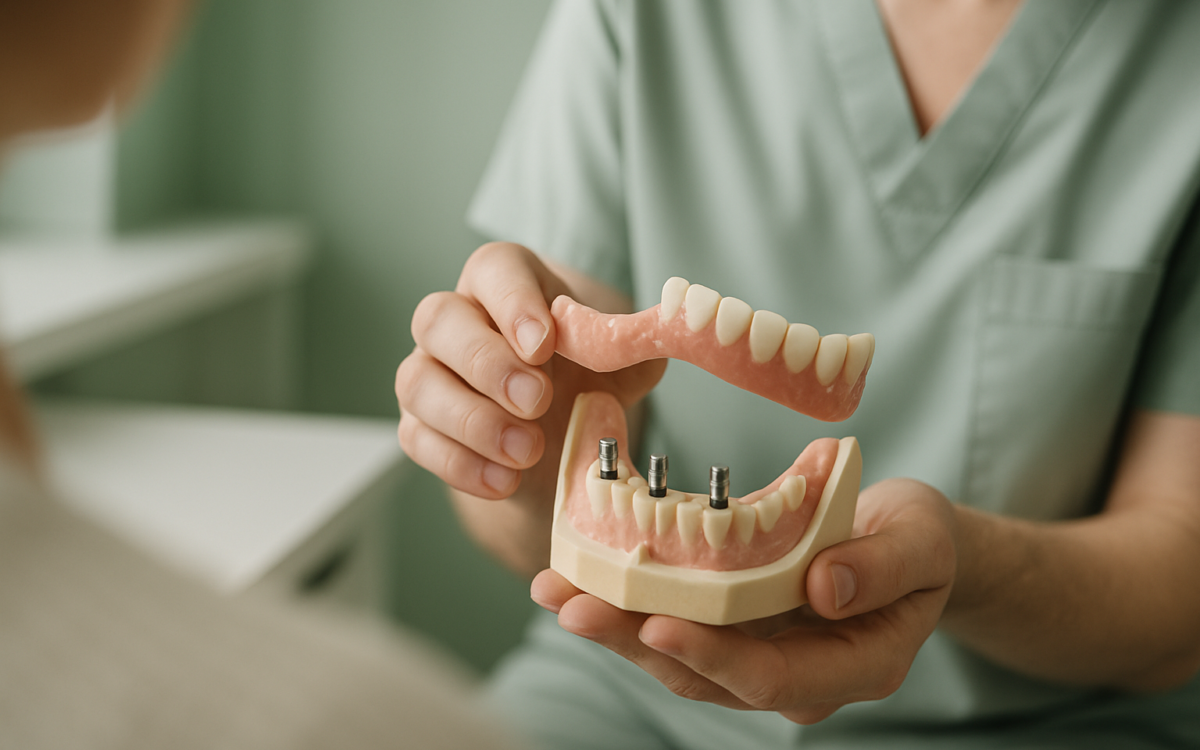
Implant dentures, also known as implant-supported dentures, combine the benefits of dental implants and dentures. They consist of a set of artificial teeth anchored to dental implants, which are titanium posts surgically placed into the jawbone. This setup provides a more stable base than traditional dentures, which often rest on the gums and can shift during eating or speaking.
Benefits of Implant Dentures
Choosing implant dentures offers several advantages that enhance both comfort and dental health:
- Improved Stability: Unlike traditional dentures, implant dentures are securely attached to the jawbone, minimizing movement and enhancing confidence while speaking and eating.
- Better Oral Health: Implant dentures help maintain jawbone integrity by stimulating bone growth, reducing the risk of bone loss that often occurs with missing teeth.
- Natural Appearance: They are designed to look and feel like natural teeth, improving aesthetics and boosting self-esteem.
- Enhanced Eating Experience: With implant dentures, individuals can enjoy a wider range of foods without fear of their dentures slipping.
- Long-Term Solution: With proper care, implant dentures can last many years, making them a cost-effective option in the long run.
The Implant Denture Process
The journey to obtaining implant dentures typically involves several key steps:
1. Initial Consultation
It begins with a comprehensive dental examination and discussion of your oral health and specific needs. Your dentist will assess your jawbone structure to determine the suitability for implants.
2. Treatment Planning
A personalized treatment plan will be developed including timelines and any required preparatory procedures, such as bone grafting if there is insufficient bone mass.
3. Implant Placement
The next step involves minor surgery to place the titanium posts into your jawbone. This procedure may require several months of healing to allow the implants to fuse with the bone, a process known as osseointegration.
4. Abutment Placement
Once healed, small connectors called abutments are placed on top of the implants. These connectors will hold the denture in place.
5. Attachment of Dentures
Finally, your custom-made denture is attached to the abutments, completing the process. Your dentist will ensure that it fits properly and is comfortable, making adjustments as necessary.
Care and Maintenance of Implant Dentures
Effective care is paramount for ensuring the longevity of your implant dentures. Here are some tips for maintaining them:
- Oral Hygiene: Regular brushing and flossing are essential to keep both the dentures and gums healthy.
- Regular Check-ups: Schedule routine dental visits for professional cleaning and check-up to monitor the condition of your implants and overall oral health.
- Avoid Hard Foods: Be cautious with very hard foods that might damage the denture. It’s wise to consult your dentist about dietary choices.
- Stay Hydrated: Maintaining moisture in your mouth can also contribute to comfort and health.
Potential Risks and Considerations
Though implant dentures offer many benefits, it’s crucial to consider potential complications:
- Infection: As with any surgical procedure, there is a risk of infection at the implant site.
- Bone Loss: If there isn’t enough healthy jawbone, additional procedures like bone grafts may be necessary before implants can be placed.
- Cost Factors: The upfront cost for implant dentures can be significant compared to traditional dentures, although they may be more economical over time.
When to See a Doctor
If you experience any issues such as pain, swelling, or difficulty with your current dentures, it is essential to consult your dentist promptly. They can assess your situation and recommend appropriate next steps, ensuring your oral health remains a priority.
In summary, implant dentures can provide a secure, comfortable, and aesthetically pleasing solution for those with missing teeth. Their benefits extend beyond mere appearance, offering improved function and supporting overall oral health. As with any dental option, talking to your dentist about your individual needs is vital before making a decision.
