
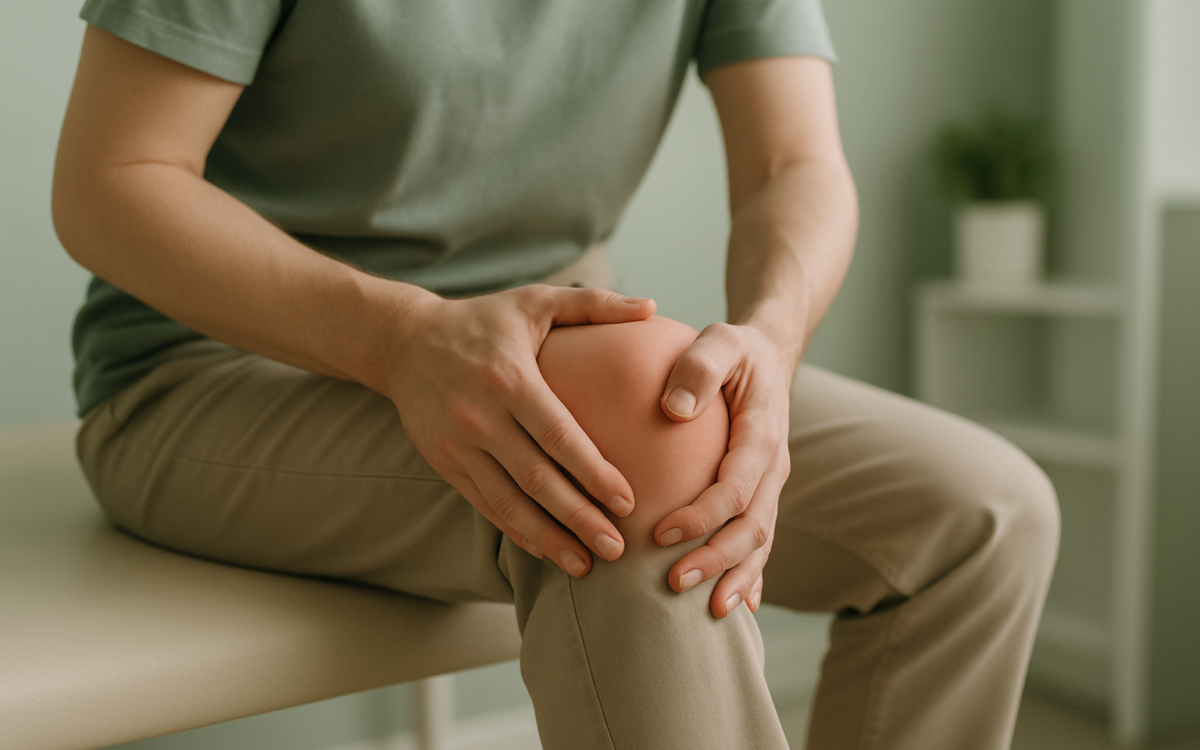
Knee pain can be both frustrating and debilitating, especially when it strikes during activities we often take for granted, like bending our knees. When your knee hurts after bending, it can complicate everyday tasks, from climbing stairs to tying your shoes. Understanding the underlying causes of this pain can empower you to take the right steps towards relief and recovery.
Common Causes of Knee Pain after Bending
There are several reasons why you might experience discomfort in your knee when bending it. Some of the most common causes include:
- Patellar Tendonitis: Also known as jumper’s knee, this condition results from the overuse of the patellar tendon, which connects the kneecap to the shinbone. It often leads to pain around the kneecap, especially when bending.
- Osteoarthritis: This degenerative joint disease occurs when the cartilage cushioning the knee joint wears down over time, leading to pain and stiffness, particularly after bending or straining the knee. For more information, check out the National Institutes of Health.
- Meniscus Tear: The meniscus is a piece of cartilage that acts as a cushion between the femur and tibia. A tear can occur due to sudden twisting motions or heavy lifting, often resulting in pain, stiffness, and swelling when bending your knee.
- Bursitis: Bursae are small sacs that provide cushioning around your joints. Inflammation of these sacs can lead to pain in the knee when bending and can be caused by repetitive motions or prolonged pressure.
- Ligament Injuries: Injuries to the ligaments, such as an ACL (anterior cruciate ligament) tear, can cause significant knee pain when bending. These injuries often result from sudden changes in direction or impact.
How Movement and Activity Affect Knee Pain
The way you move or engage in physical activities can significantly influence your knee pain. For instance:
- Overuse: Repetitive motions, especially in sports or physical labor, can lead to overuse injuries that contribute to knee pain.
- Poor Technique: Whether through sports or weightlifting, improper techniques can strain the knee and may lead to pain when bending.
- Weak Muscles: Weak muscles in your legs can place extra stress on your knees, making bending painful. Engaging in strength training can help build those muscles and offer better support.
When to Use Home Remedies
If you’re experiencing knee pain after bending, several home remedies might provide some relief without the need to rush to the doctor immediately:
- Rest: Give your knee some time to heal by avoiding activities that exacerbate the pain.
- Ice Therapy: Applying ice to the affected area can decrease inflammation and numb pain. Try icing your knee for 15-20 minutes several times a day.
- Compression: Using a compression bandage can help reduce swelling and provide support.
- Elevation: Elevating your leg can help reduce swelling. Try to keep your knee above your heart whenever possible.
- Gentle Stretching: Engaging in low-impact exercises, like cycling or swimming, may promote healing without adding stress to the knee.
The Role of Physical Therapy
If your knee pain persists or interferes with daily activities, consider consulting a physical therapist. A physical therapist can:
- Assess your knee and movement patterns to identify the causes of pain.
- Create a tailored exercise program aimed at strengthening the muscles supporting the knee and improving flexibility.
- Provide guidance on proper techniques to reduce strain on your knees during activities.
Long-Term Management of Knee Health
Maintaining knee health is essential for overall mobility and quality of life. Here are some long-term strategies:
- Regular Exercise: Engage in regular low-impact aerobic exercises, such as walking or swimming, to promote joint flexibility and strength.
- Maintain a Healthy Weight: Excess weight can place additional stress on your knees. Maintaining a healthy weight can alleviate pressure and reduce pain.
- Stay Hydrated: Hydration is crucial for maintaining joint lubrication. Aim to drink plenty of water throughout the day.
- Consider Dietary Changes: Some studies suggest that anti-inflammatory foods, like leafy greens and fatty fish, may help support joint health.
- Supplements: Some supplements, like glucosamine and chondroitin, may offer benefits for joint health, although it’s essential to discuss with your healthcare provider before starting any new supplement regimen.
When to See a Doctor
While not every instance of knee pain requires medical attention, certain signs indicate it’s time to consult a doctor:
- You experience severe pain or swelling in the knee.
- The pain persists despite home treatments.
- You have difficulty bearing weight on your affected leg or experience instability.
- You notice a significant increase in pain following an injury.
Consulting a healthcare professional can help pinpoint the specific cause of your pain and create a plan to address it effectively.
In conclusion, knee pain after bending can stem from various causes, and understanding these factors can aid in managing your discomfort. Whether you turn to home remedies, physical therapy, or seek professional medical help, taking action can lead you to improved mobility and pain relief. Be proactive about your knee health, and don’t hesitate to reach out to a healthcare provider when necessary.
